Shafaq News- Najaf
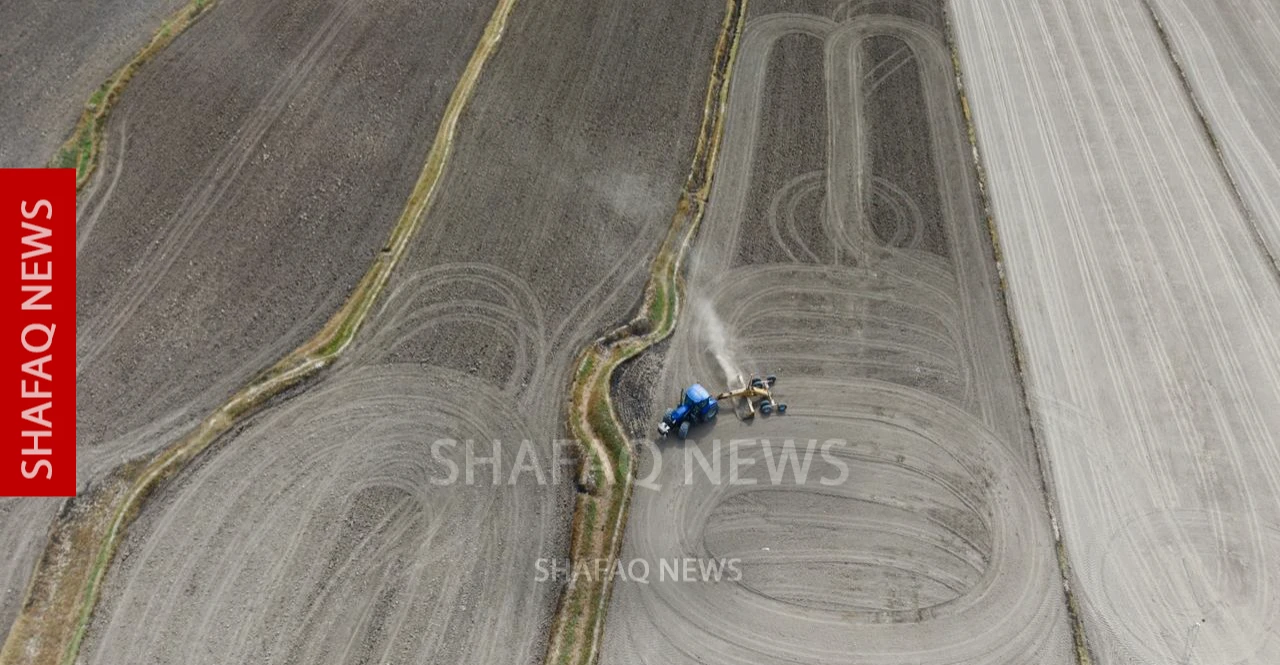
Farmers in al-Mashkhabdistrict, Najaf province, have launched field preparations for the rice (Shalab)planting season, resuming cultivation after more than three years ofdisruptions caused by severe water shortages.
Abu Ali al-Fatlawi,a farmer, told Shafaq News that preparations are underway on plots of up to 100dunams (10 hectares) planted with Anbari and Jasmine* varieties. "Farmersare counting on this season after difficult years that hit agricultural outputhard."
Al-Fatlawidescribed a multi-stage process that begins with laser-leveling the land,followed by seed broadcasting and water releases, each phase requiringsustained labor and continuous expenditure borne by the farmer. Rising inputcosts, chronic electricity shortages, and fertilizer supply gaps arecompounding the financial pressure, he said, calling on relevant authorities torevise the agricultural plan and increase support for farmers to ensure asuccessful harvest.
: Iraq’s wheat fields no longer guarantee bread
On pricing,al-Fatlawi said Anbari rice reached approximately 5,000 Iraqi dinars perkilogram (about $3.82) in recent months. “A strong domestic harvest this seasoncould push the price down to around 2,000 dinars per kilogram, relievingpressure on consumers.” He stressed that supporting Iraqi farmers and securingirrigation requirements is essential to protecting rice cultivation, which isIraq's most strategically significant crop, particularly across the MiddleEuphrates region.
Last Thursday, theministries of Agriculture and Water Resources jointly launched the summerseason agricultural plan, allocating cultivation across more than 1.237 milliondunams: 361,900 dunams for rice, 293,000 dunams for yellow corn, and 582,392dunams for summer vegetables. The ministry said the plan accounts for farmers'economic conditions by prioritizing high-yield, drought-tolerant varieties. Formal cultivation operations and water management are scheduled to begin on June20.
1 hectare = 10dunams.
*Anbari is along-grain, aromatic rice prized across the Arab world and grown primarily inIraq's Middle Euphrates region. The Jasmine variety, also known as Thai HomMali, is a long-grain variety of fragrant rice. Its fragrance, reminiscent ofpandan and popcorn, results from the rice plant's natural production of aromacompounds.