Shafaq News
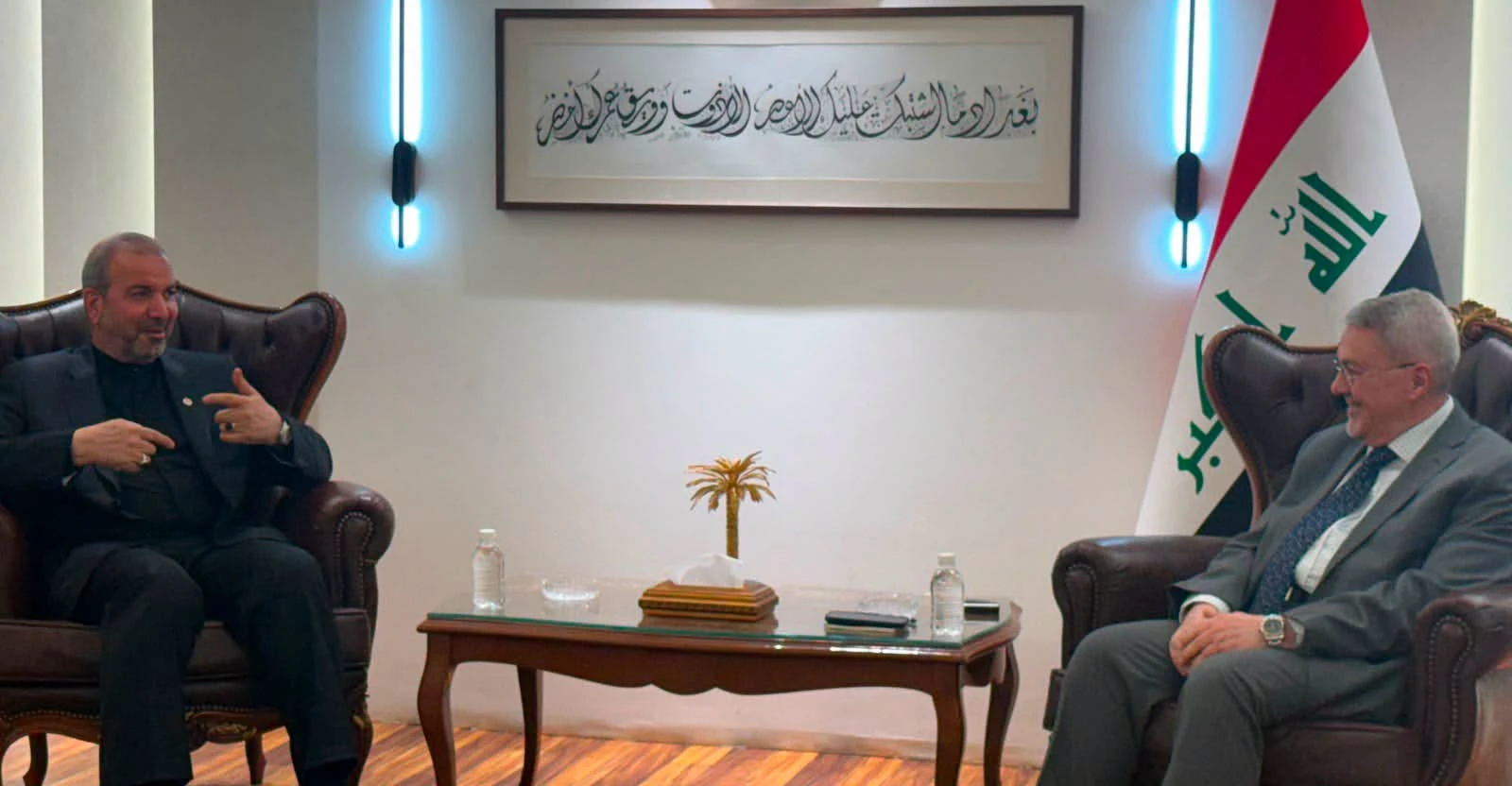
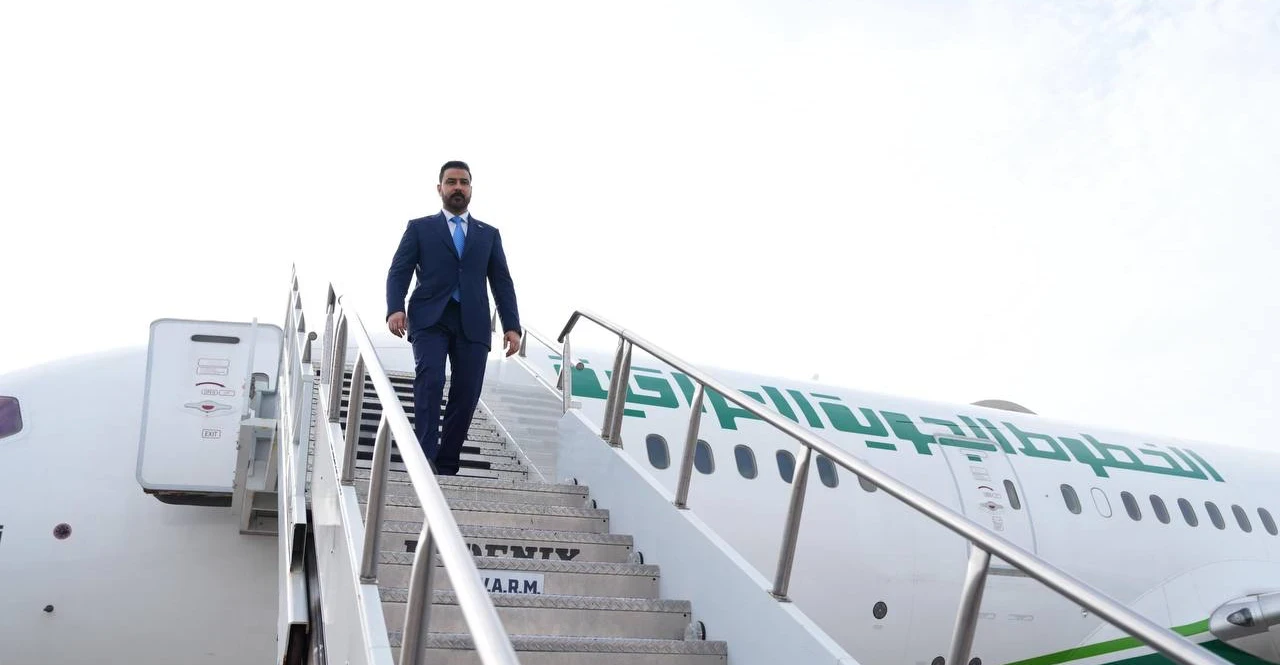
Iraqi PrimeMinister Ali Falih al-Zaidi will travel to Tehran on Thursday carrying a proposalto host US-Iranian talks in Baghdad, his first regional stop after five days inWashington, and the most exposed test yet of whether Iraq's new government canconvert its position between the two adversaries into leverage over them. Theinitiative arrives with Iranian officials already questioning al-Zaidi'sjudgment in public.
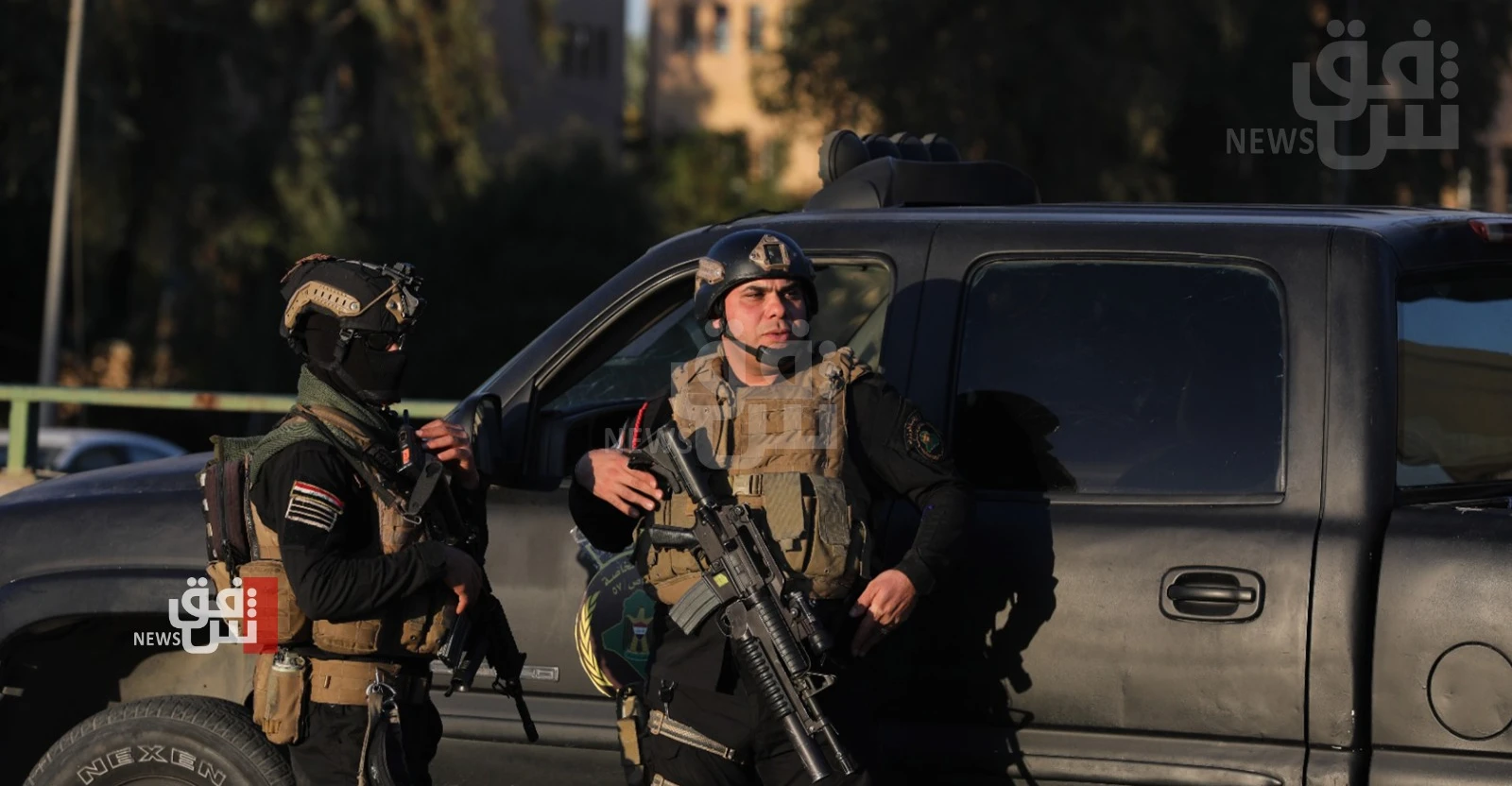
Iraq is not aneutral capital offering good offices; it is the principal arena in which theUS-Iranian confrontation is fought. Iranian-aligned armed factions operate onits territory, US forces are scheduled to complete their withdrawal at the endof September, and al-Zaidi has staked his premiership on a pledge that noweapons will remain outside state control after that date. A mediation thatsucceeds would reframe Iraq as a platform for dialogue rather than a theaterfor it.
Governmentspokesperson Haidar al-Aboudi framed the trip as a response to demand ratherthan an application for a role, telling the official news agency that regionaland international actors have shown interest in what Baghdad can contributegiven its balanced relations and its capacity to support dialogue and reducetensions. He paired that with a defensive note: the file of confining weaponsto the state is managed by independent national decision.
: PM Al-Zaidi heads to Tehran with US-Iran dialogue proposal
ForeignMinister Fuad Hussein has been more precise about the limits, saying Baghdadcarries no American message to Iran but can convey what it heard in Washingtonalongside its own position, and that any discussion of political or economicinitiatives requires de-escalation first.
Iraq'scredentials as an intermediary are real but narrower than they appear. Beginning in 2021, Baghdad hosted successive rounds of confidentialSaudi-Iranian contacts at a time when the two states had no diplomaticrelations, and while the final agreement was announced in Beijing in 2023, thegroundwork is widely credited to those meetings.
The precedentis genuine. It is also structurally different: Riyadh and Tehran both wanted asettlement and needed a discreet venue. Washington and Tehran, in contrast, arecontesting the terms of Iran's nuclear program, its regional posture, sanctionsrelief, and military deployments, with an unfinished war behind them.
Baghdad hastried this before, and recently. Under former prime minister Mohammed Shiaal-Sudani, whose government preceded al-Zaidi's, Iraq spent the closing monthsof 2025 attempting to arrange a bilateral US-Iranian meeting in Baghdad. Al-Sudani said in December that American officials had accepted the principleof talks in the Iraqi capital, and described raising the idea directly with USenvoy Tom Barrack. Those efforts produced no meeting. The obstacle heidentified was that Iran required assurances an agreement would not be followedwithin hours by an attack, and this has not been removed.
Iranian affairsexpert Mahdi Azizi reads the Foreign Ministry's language as evidence thatsomething was agreed in Washington. US President Donald Trump, he told ShafaqNews, handed al-Zaidi this card to play. “Baghdad understands the Iranianinterior and the Iranian mood while remaining present in the Arab environment,a combination unavailable to Qatar, Oman, or Pakistan.”
Politicalresearcher Nawal al-Mousawi accepts the channels exist and locates thedifficulty elsewhere. The problem, she told Shafaq News, is not Iraq's abilityto communicate but its domestic condition, “above all the question of Iranianinfluence inside the country,” which is precisely the file Washington caresmost about.
“A mediatorwhose internal balance is itself the subject of negotiation cannot easily standoutside the dispute,” Al-Mousawi argued,but saw room for the prime minister to run private conversations with bothsides toward more flexible positions, and reports indications that unannouncedunderstandings may be within reach.
Writer andresearcher Salih al-Qazwini dismisses the framing entirely. The identity of themediator, he told Shafaq News, is not the variable that matters; the failurelies with the American side and its non-compliance with what has been agreed. Any future mediation, on his account, must produce enforcement mechanisms andguarantees rather than a political understanding on paper.
Haitham Numaan,professor of political science at Britain's University of Exeter, describedal-Zaidi’s mediator role between Trump and Iran as overstating the case. Tehranand Washington maintain direct and indirect channels, as recent contacts inPakistan and Oman demonstrated; a third party is not required to open one.
The realisticfunction, al-Heeti told Shafaq News, is narrower and less flattering:“conveying American demands concerning Iraq itself, reducing Iranian influence,opening the country to US investment.”
Al-Zaidi, inhis phrasing, may be a representative of American requirements in Iraq,presenting terms that break with the earlier arrangement in which the countryserved as a space of equilibrium between the two powers. Al-Heeti warns thatTehran is unlikely to absorb that shift quietly and may activate itsinstruments inside Iraq against steps it reads as threatening.
Iran's publicconduct over the past week supports the darker reading. Ali Akbar Velayati,adviser to the supreme leader, called al-Zaidi inexperienced, described theWashington trip as ill-timed given that it followed within days the funeralproceedings for Ali Khamenei —killed in the opening phase of the US-Israeli waron Iran— and characterized the visit as a blow to Iraqi dignity. Tehran thenmoved to contain the damage, with Foreign Minister Abbas Araghchi telling FuadHussein that bilateral ties should not be affected by personal and unofficialremarks. Sources familiar with the funeral arrangements say friction hadalready developed after al-Zaidi declined an official state ceremony inBaghdad, confining the proceedings to Najaf and Karbala.
Al-Zaidi's ownposition compounds the difficulty. A 40-year-old businessman with no priorexperience in government, he emerged in May as a compromise after Trump'srejection of Nouri al-Maliki's candidacy deadlocked the Coordination Framework,the ruling Shiite alliance, for months.
The questionIranian officials will be weighing is whether a prime minister who owes hisoffice partly to an American veto, and who has promised to disarm Tehran'sIraqi partners by September 30, is offering them a table or presenting themwith a bill.
: Iraq's September 30 weapons deadline leaves terms of disarmament unresolved
Written andedited by Shafaq News Agency