Shafaq News-Baghdad
Iraqisinterviewed by Shafaq News said the government's anti-corruption campaign,known as the Dawn Crackdown (Sawlat al-Fajr), will be judged by whetherprosecutions reach senior political figures rather than by the number ofdetentions announced.
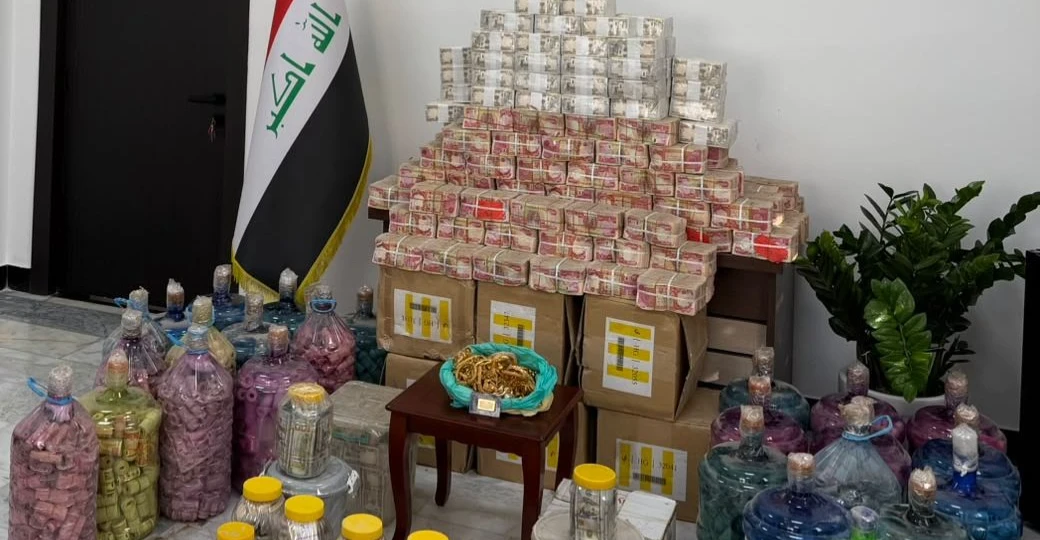
Security forcesdetained at least 47 suspects in the first 24 hours after the operation beganon June 28, according to government figures, a total that informed sourceswithin the Federal Commission of Integrity, Iraq's principal anti-corruptionbody, later put at 67.
No updatedofficial total has been released since.
: Iraq detains top officials in anti-corruption sweep: What we know so far
Support for thearrests is broad among those interviewed, but conditional. Ammar Al-Sayyid, 38,from Baghdad, said Iraqis back both the government and the judiciary inpursuing corrupt officials, and that the campaign will hold credibility “onlyif the law applies equally to individuals, political parties, and influentialfigures.”
That condition,equal application, recurred across the interviews. Ismail Mohammed, 25, fromBasra, said public opinion will shift only if investigations “extend beyondlower-ranking suspects to influential political figures,” a threshold he saidthe campaign has not yet crossed.
: Iraq's Dawn Crackdown by numbers: 67 arrests explained
NazhirMohammed, 56, from Dhi Qar, who also supports the publication of corruptioncases, said reporting should follow cases past the initial detention to courtrulings and recovered funds. “Without that, foreign audiences may come toassociate Iraq more with corruption than with the effort to confront it.”
Iraq ranked136th out of 182 countries in the 2025 Corruption Perceptions Index publishedby Transparency International. UNDP Resident Representative for Iraq TitonMitra placed losses from corruption and financial mismanagement between $150billion and $450 billion in assets, or almost 20 percent of Iraq’s public.
: Can Iraq recover billions in stolen assets abroad?