Shafaq News- Baghdad
Iraqi security forces have detained at least 47 peoplein the first 24 hours of the Dawn Crackdown, an anti-corruption campaign thatbegan June 28, according to the preliminary figures published by thegovernment, which has not identified those held. Sources within the Commissionof Integrity, Iraq's federal anti-corruption body, put the number detained at67 and said it would surpass 200 within weeks.
The government has released no cumulative count sinceits initial total, and arrests have continued through the reporting period. Thefigures below cover enforcement from June 28 through July 11 and are drawn fromreporting compiled by Shafaq News. They are not a final tally.
The only detainee named by the government is AdnanAl-Jumaili, a former undersecretary at the Oil Ministry, arrested in May, whosetestimony investigators say opened the path to dozens of the current arrests.
Nineteen detainees have been identified ashigh-ranking officials: 14 current or former members of the Iraqi Council ofRepresentatives, the country's national parliament; two officials from the OilMinistry or state-linked oil companies; one former government adviser; and twoindividuals holding no government position.
: Iraq detains top officials in anti-corruption sweep
Arrests By State Institution
Across the enforcement period, 32 arrests could beclassified by the state institution in which the detainee served. Thelegislature, covering current and former members of the Council ofRepresentatives and parliamentary offices, accounted for 14 of them, or 43.8percent of classifiable cases, the single largest concentration in thecampaign.
Within the executive branch, electricity distributionrecorded the most arrests, with seven: four in Diyala, two in Al-Diwaniyah, andone in Babil. Customs, trade, and border administration follow with five. Oiladministration and refining recorded three, as did agriculture and the graintrade.
The remaining detainees could not independently beassigned to an institution.
How The Investigation Originated
The three oil-sector arrests recorded after June 28followed the May detention of Al-Jumaili in Saladin province. Testimonyobtained after that detention directed investigators toward members ofparliament and other officials.
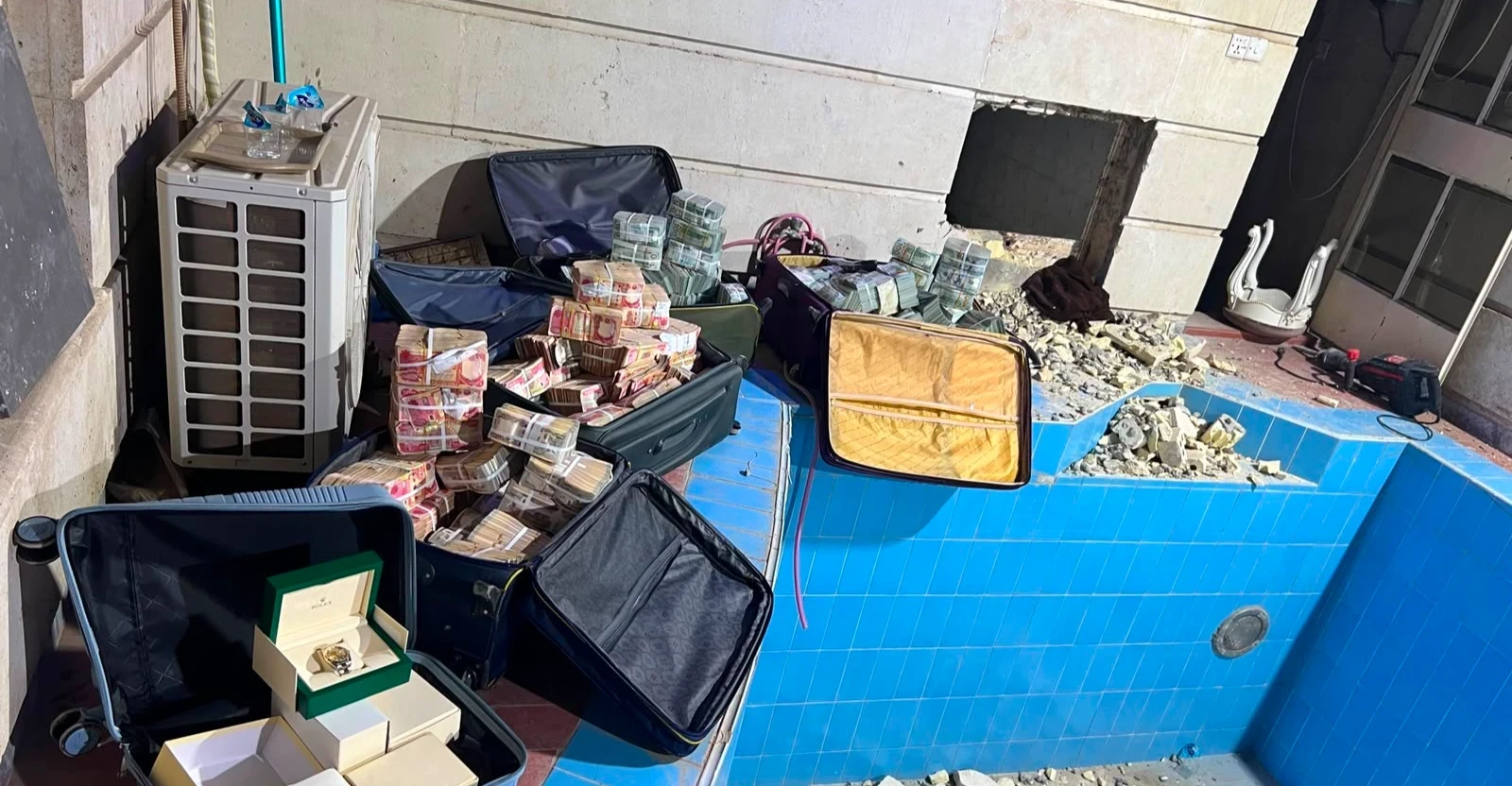
Authorities seized between 80 million and 100 milliondollars in the corruption case linked to Al-Jumaili, according to a seniorsource at the Commission of Integrity who spoke on condition of anonymitybecause of the sensitivity of the case. The same source said the subsequentarrests rested on statements Al-Jumaili gave after his detention.
Provincial Reach
The campaign and associated enforcement have beendocumented in nine provinces or jurisdictions: Baghdad, Babil, Maysan, Erbil,Kirkuk, Basra, Diyala, Al-Diwaniyah, and Saladin.
Baghdad has functioned as the principal operationalcenter. Raids covered the Green Zone, the fortified central district housinggovernment headquarters and foreign missions, along with Sadr City, Al-Shaab,Zayouna, Yarmouk, Al-Mansour, and the Al-Qadisiyah residential complex. Elitesecurity units took part in the Green Zone operations.
Outside the capital, eight wanted people weretransferred from Erbil, capital of the Kurdistan Region, through Kirkuk, adisputed oil-rich province claimed by both the federal government and theKurdistan Regional Government (KRG). Enforcement also covered operations inBabil and Maysan; four electricity-sector arrests in Diyala; three grain-sectorarrests in Maysan; two customs-related arrests in Kirkuk; twoelectricity-sector arrests in Al-Diwaniyah; at least 13 corruption-relatedarrests in Basra; and Al-Jumaili's May arrest in Saladin.
A precise provincial breakdown is not possible,because most detainees were not publicly identified.
Some suspects left before forces reached them,prompting authorities to begin a wide search operation, according to securityand judicial sources. No Iraqi institution has confirmed the escapes on therecord.
Seized assets
The recovery and seizure operations yielded more than11 million dollars and 4 billion Iraqi dinars in cash from Deputy Oil MinisterAli Maarij al-Bahadly alone, according to the Supreme Judicial Council, Iraq'shighest judicial authority.
Government sources said the combined total from alldetainees will surpass 100 million dollars within weeks. Beyond cash, the samesources placed the seized physical assets at tens of kilograms of gold bullionand jewelry, more than 200 luxury residential and commercial properties, anddozens of Rolex watches and high-end vehicles held both inside and outsideIraq. Weapons and ammunition were also confiscated.
No final aggregate figure for the confiscated assetshas been announced, with authorities citing the investigations as ongoing.
: Can Iraq recover billions in stolen assets abroad?
Political Affiliations Of Those Named
The detainees named in Iraqi media span the country'sprincipal sectarian and ethnic communities, including Shiite, Sunni, andKurdish figures. Reporting carried by the Iraqi News Agency, the official statenews service, identified individuals from several parties, among them figuresassociated with the Al-Hikma movement, led by Ammar al-Hakim; and theReconstruction and Development Coalition of former PM Mohammed Shia al-Sudani. Among Sunni figures named in that reporting is Muthanna al-Samarrai, head of theal-Azm Alliance.
No political party has publicly criticized thecampaign, and all have expressed support for it.
Arrests are continuing. Commission of Integritysources said enforcement remains active and that the detainee count is expectedto exceed 200 within weeks.