Shafaq News- Baghdad
As Iraq expands its anti-corruption campaign, thegovernment's focus has shifted beyond prosecuting suspects at home torecovering public funds transferred abroad, a process officials, who spoke toShafaq News, describe as a national priority alongside holding thoseresponsible accountable.
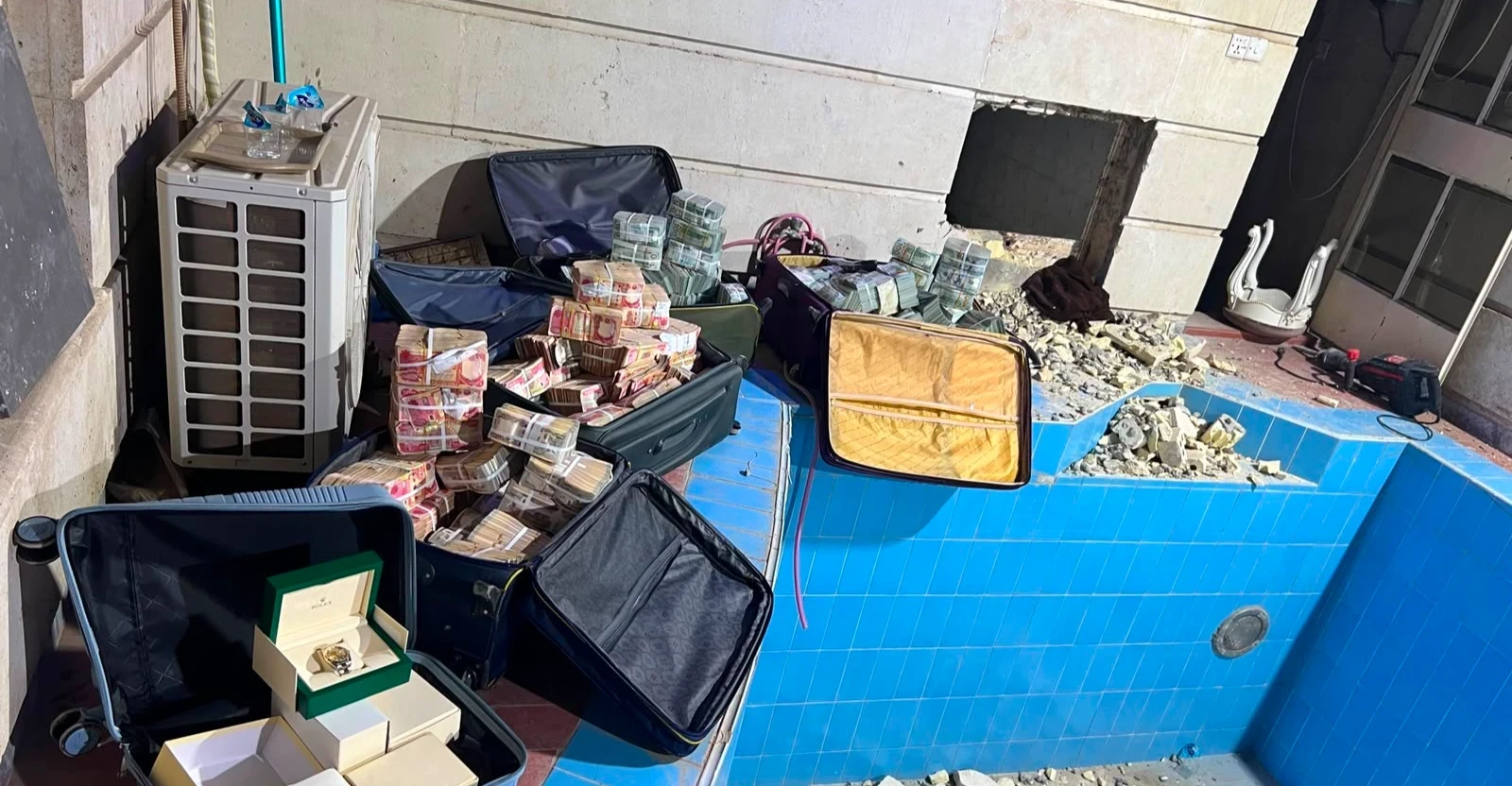
The renewed focus follows recent announcements by Iraq'sSupreme Judicial Council, which said investigations into several majorcorruption cases remain ongoing, including the seizure of large sums of cashlinked to former Deputy Oil Minister for Refining Affairs Adnan al-Jumaili, whowas arrested last May, and opened the door to the Dawn Crackdown operation.
The council also had outlined a legal mechanism that wouldallow authorities, within the limits of Iraqi law, to reduce certain legalmeasures or penalties for suspects who voluntarily return embezzled publicfunds.
These developments coincide with an announcement by theMinistry of Justice last week that it had recovered more than $25 million inIraqi assets over the past two years. “Efforts are continuing to trace overseasfunds, real estate, and bank accounts in coordination with the Federal IntegrityCommission and international partners,” it stated.
With part of Iraq's illicit assets believed to be heldabroad, questions remain over the legal and diplomatic tools available toal-Zaidi's government to recover the funds, particularly when suspects resideoutside Iraq or have investments in foreign jurisdictions.
: Iraq anti-corruption sweep: What we know so far
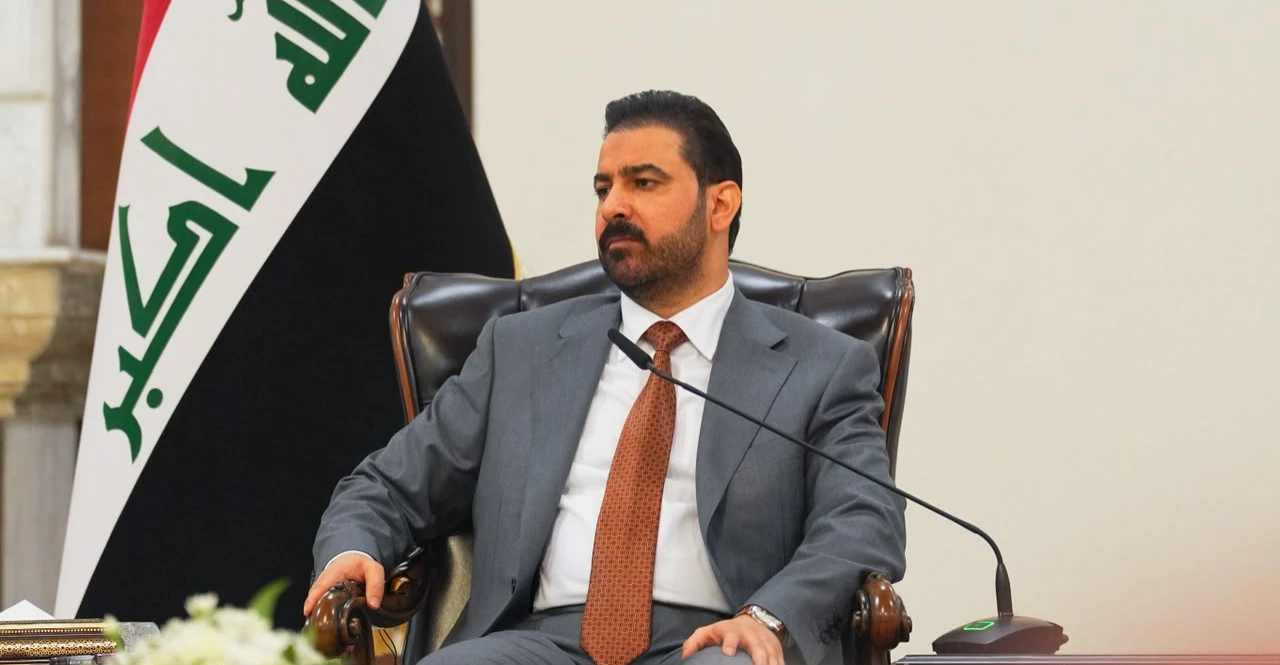
Saqr al-Mohammadawi, a member of the Iraqi parliament'sSecurity and Defense Committee, described asset recovery as a national priority“because of its direct impact on protecting public funds and strengtheningpublic confidence in state institutions.”
Speaking to Shafaq News, al-Mohammadawi urged governmentinstitutions to intensify their legal and diplomatic efforts, in cooperationwith foreign governments and international organizations, to trace and recoverillicit assets in accordance with applicable laws.
He also called for greater transparency in handling theissue by informing the public about the measures being taken and the resultsachieved while ensuring that all corruption suspects are held accountablewithout exception.
Al-Mohammadawi said the parliamentary committee ismonitoring ongoing corruption investigations, stressing that recovering stolenassets "is not merely a financial objective but a national entitlementthat supports development, strengthens the economy, and helps provide essentialpublic services."
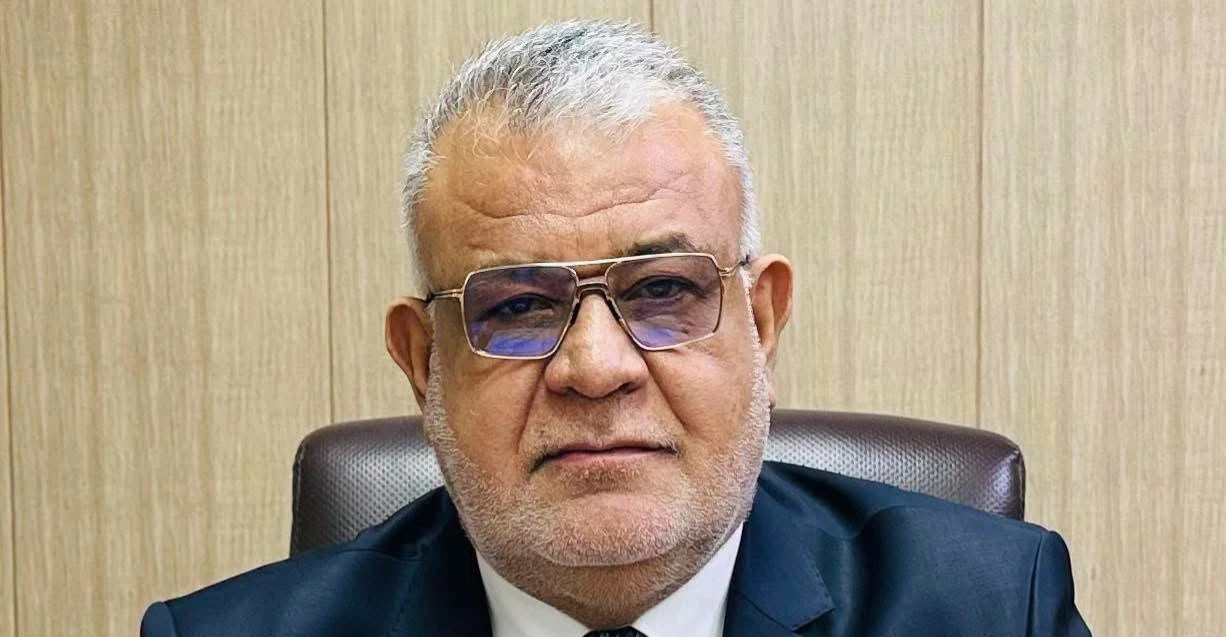
Political and legal researcher Amir al-Daami affirmed thatIraq has international legal mechanisms that can be used to recover funds andassets held abroad.
In an interview with Shafaq News, he said the agreementssigned between Iraq and other countries facilitate asset recovery, particularlyafter the Iraqi judiciary signed a cooperation agreement with the EuropeanUnion Agency for Criminal Justice Cooperation (Eurojust) to exchangeinformation on suspects and illicit assets.
Those mechanisms, according to al-Daami, enable Iraq totrace and recover transferred funds, and the international community,particularly the United States, supports Iraq's anti-corruption campaign,“which could strengthen cooperation on recovering assets and extraditing wantedindividuals.”
:Iraq detains top officials in anti-corruption sweep: What we know so far
“Recovering illicit assets requires more than domestic courtrulings and depends on an integrated system of judicial and diplomaticcooperation,” Legal adviser Saad al-Bukhati told Shafaq News, explaining thatthe 2003 United Nations Convention against Corruption, to which Iraq is aparty, provides the principal international legal framework for asset recoveryby requiring member states to provide mutual legal assistance, freeze bankaccounts, confiscate assets, and return proceeds proven to have originated fromcorruption offenses.
He highlighted that the process begins with financialinvestigations inside Iraq to identify the proceeds of crime, followed byjudicial orders to freeze or confiscate assets. Authorities then submit formalrequests to the countries where the assets are located, supported by evidenceand court decisions under bilateral or multilateral agreements or the principleof reciprocity.
Al-Bukhati also called on the government to strengthencooperation with the International Criminal Police Organization (INTERPOL) andmake greater use of the Stolen Asset Recovery Initiative (StAR), a jointprogram of the United Nations and the World Bank.
Iraq should establish specialized national teams comprisingjudges, prosecutors, financial experts, and anti-money laundering investigators“to trace cross-border financial flows and uncover shell companies and accountsused to conceal illicit assets,” he urged, clarifying that the government'ssuccess in this file should not be measured by the number of court rulingsissued, but by its ability to build an integrated system that combines stronglegislation, an independent judiciary, effective oversight institutions, andmeaningful international cooperation.