Shafaq News- Baghdad
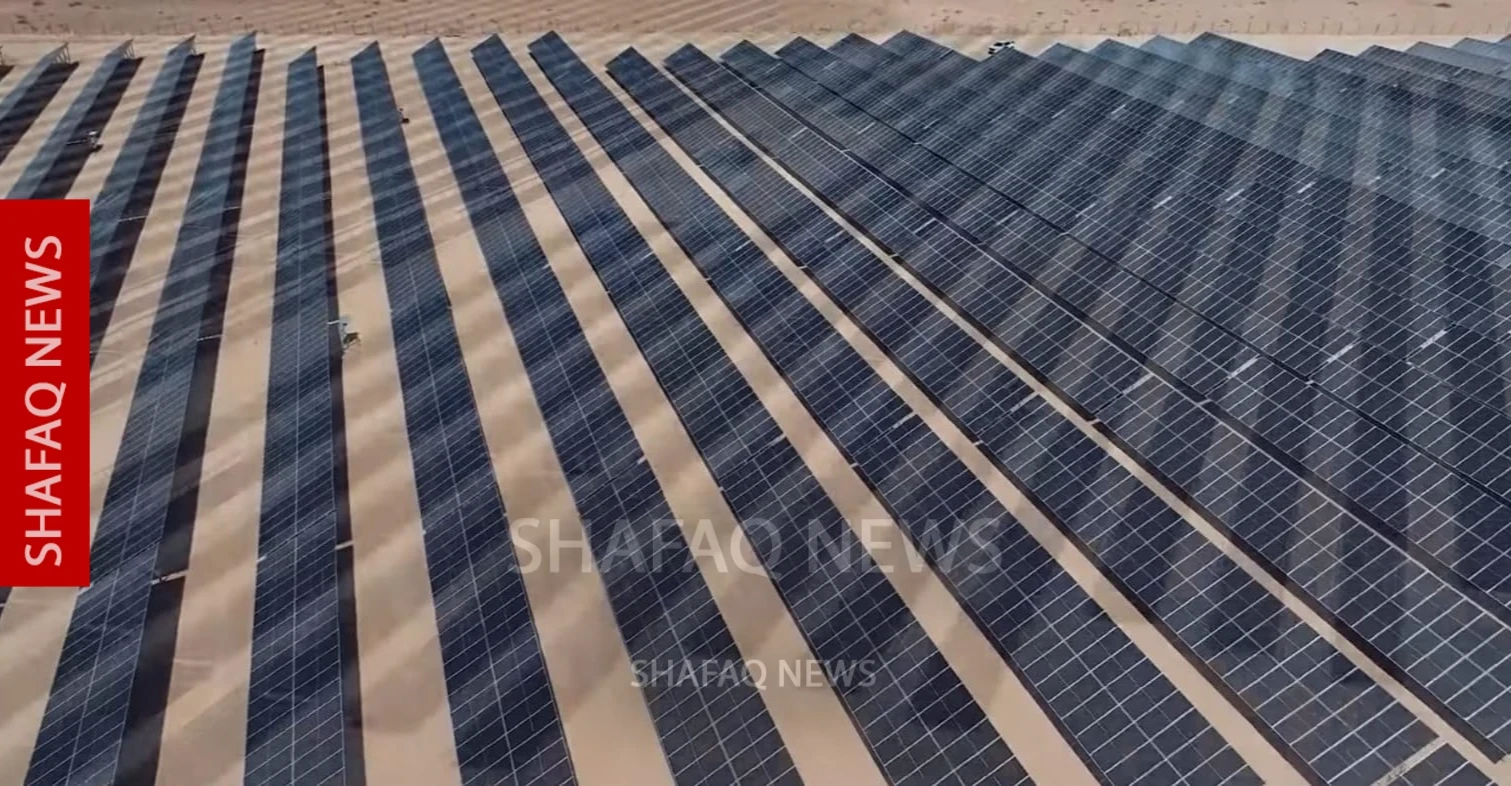
Iraq may require between 20 million and 25 million solarpanels to add about 12 gigawatts of electricity to its national grid, energyspecialists told Shafaq News, as the country seeks long-term solutions to awidening gap between electricity supply and demand.
Electricity demand during the summer exceeds 50,000megawatts, while current generation remains below 25,000 megawatts, leaving adeficit that experts say cannot be addressed through conventional generationalone.
: 40-GW electricity gap forces Iraq to back private generators
Oil expert Kovand Shirwani said that Iraq's electricitycrisis has deepened as demand continues to outpace production, with the countryfacing a generation shortfall of more than 50%. The problem extends beyondelectricity production, with aging transmission and distribution networksrequiring extensive modernization alongside investments in new generationcapacity.
: In darkening Baghdad, oil lamps return as power fears grow
Iraq receives more than 300 sunny days each year, makingsolar power one of the country's most viable renewable energy options. Shirwaniestimated that a 1,000-megawatt solar plant could be built for between $700million and $800 million, and constructing at least two such projects annuallywould gradually reduce the electricity deficit.
Member of Parliament Uday Al-Zamili, who serves on theparliamentary Oil and Gas Committee, also described renewable energy as astrategic option for Iraq because of its favorable climate and abundant solarradiation. According to Al-Zamili, the country could also benefit economicallyby developing a domestic solar manufacturing industry using silica reserves inal-Anbar province, while encouraging households to install rooftop systemsthrough government-backed financing and partnerships with certified companies.
Electrical engineer Ahmed Adnan estimated that installingbetween 20 million and 25 million solar panels nationwide could add roughly 12gigawatts to Iraq's electricity grid, easing pressure during peak demandperiods, which can reach about 56 gigawatts.
Basra alone already has around one million installed solarpanels, helping reduce pressure on the local grid, while southern provinces andal-Anbar remain among the country's most suitable locations for large-scalesolar projects because of their available land and high solar exposure.
Adnan cautioned, however, that expanding solar generationalone would not solve Iraq's electricity problems unless accompanied by “majorinvestment in energy storage systems” and upgrades to transmissioninfrastructure.
: The end of a waiver: Iraq's struggle for energy independence
He projected that rebuilding Iraq's electricity sector wouldrequire between five and ten years of sustained investment, adding thatrenewable energy should form part of a broader strategy that also addressesgrid modernization, storage capacity and the country's long-standinginfrastructure challenges.
Iraq remains heavily reliant on electricity and gas importsfrom Iran, particularly during the summer. The challenge has intensified sinceWashington revoked a sanctions waiver that allowed Baghdad to continuepurchasing Iranian energy.
: Iraq power 2026: war on Iran collapses the grid's last defenses ahead of peak summer