Morning update
Good morning Middle East Eye readers,
Israeli attacks continued across southern Lebanon after Prime Minister Benjamin Netanyahu ruled out a withdrawal from occupied areas, despite ongoing diplomatic efforts.
Meanwhile, the IAEA outlined possible approaches to Iran's uranium stockpile, while Washington and Gulf allies reaffirmed support for unrestricted navigation through the Strait of Hormuz.
Here are the latest updates:
Israeli air strikes hit southern Lebanon, including Nabatieh al-Fawqa, as Netanyahu said Israeli troops would not withdraw from occupied areas.
Lebanon-Israel negotiations were extended for an additional day, with no agreement expected immediately.
Hezbollah's parliamentary bloc rejected direct negotiations with Israel and urged Lebanese authorities not to concede territory north of the Litani River.
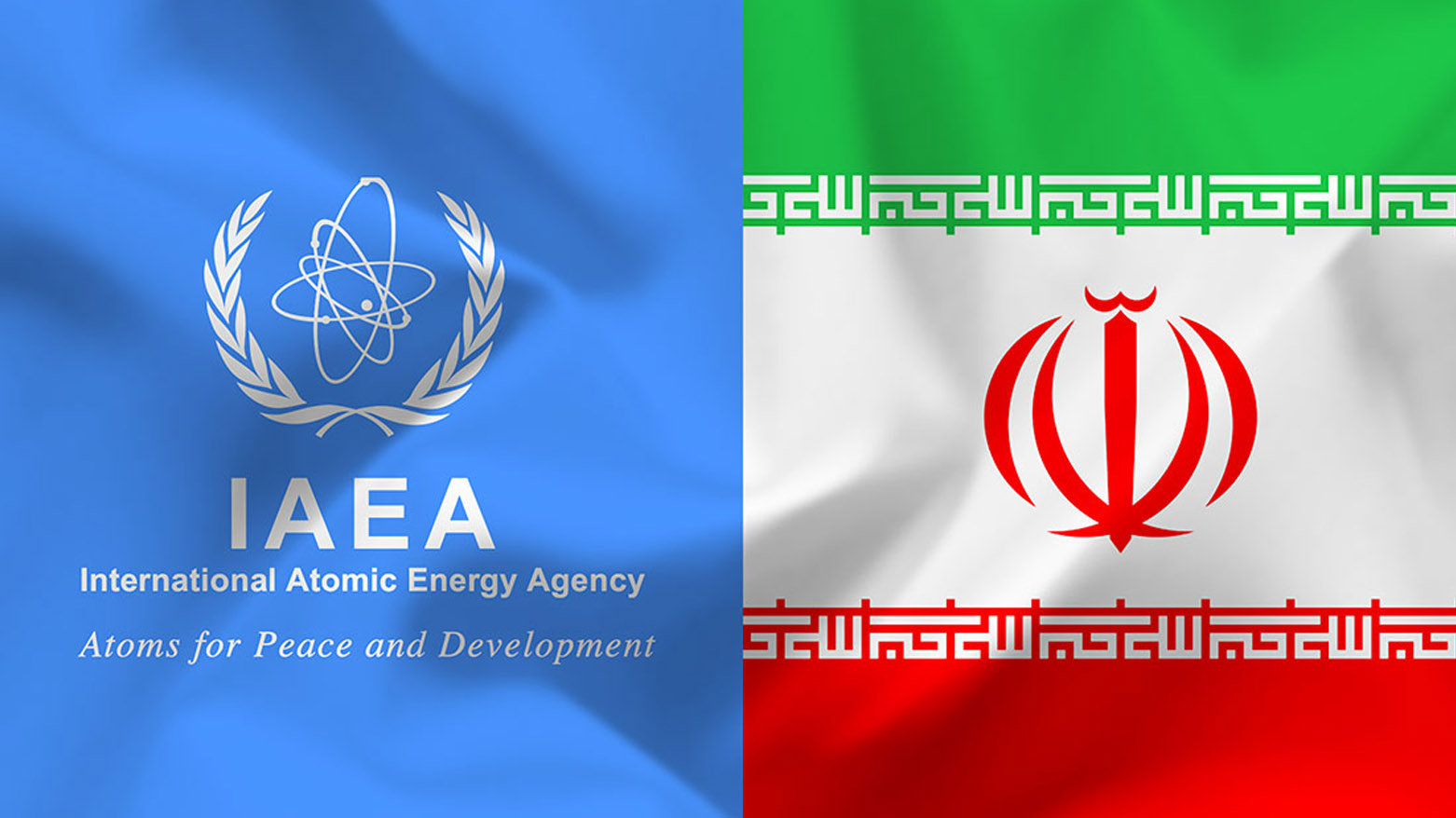
IAEA Director General Rafael Grossi said reducing Iran's stockpile of highly enriched uranium is among the options under consideration.
Trump said the Strait of Hormuz remained open, claiming a record 19 million barrels of oil moved through the waterway in a single day.
Iranian authorities warned that vessels using routes outside designated Hormuz transit corridors would not be covered by safe-passage guarantees.
US Secretary of State Marco Rubio and Gulf Cooperation Council partners rejected any Iranian fees or restrictions on shipping through the Strait of Hormuz.
The US and GCC reaffirmed support for continued Lebanon-Israel negotiations aimed at reducing tensions.
Hezbollah said two civilians were killed in an Israeli strike in southern Lebanon as cross-border violence continued.
Regional attention remained focused on the durability of the US-Iran memorandum of understanding, Lebanon negotiations and security in the Strait of Hormuz.
US Secretary of State Marco Rubio listens as Bahrain's King Hamad bin Isa Al Khalifa speaks at Al-Sakhir Palace near Zallaq, Bahrain, 25 June 2026 (Eric Lee/Pool/AFP)