Shafaq News- Baghdad
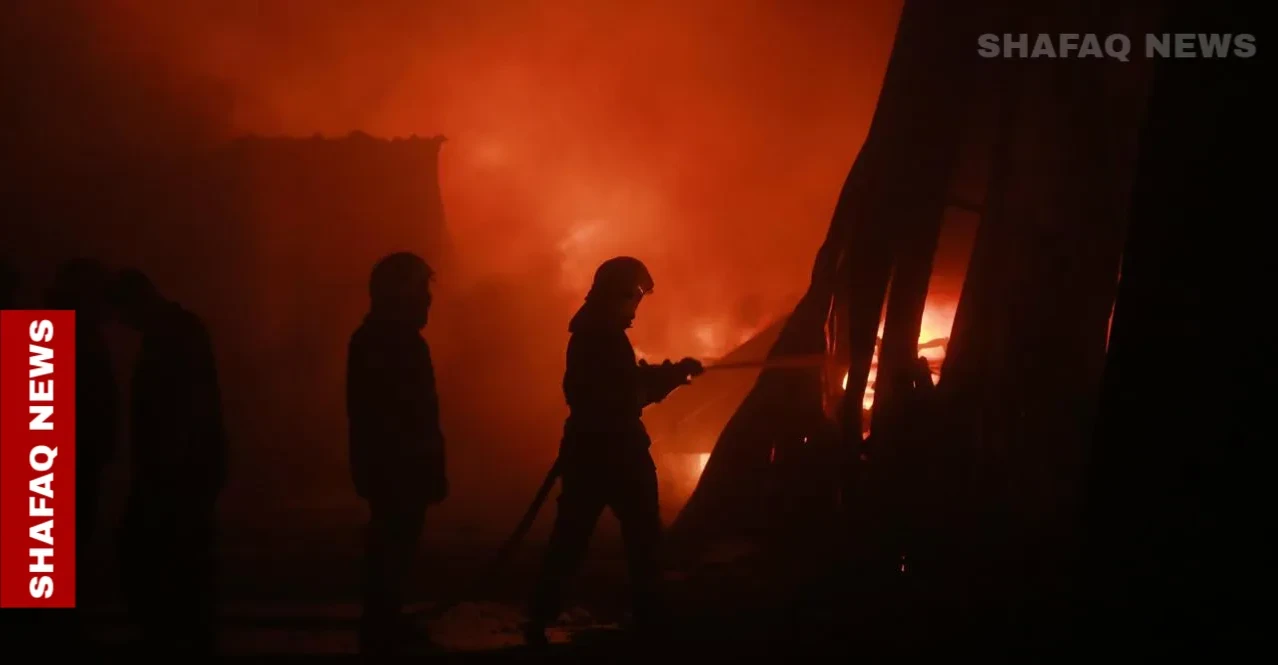
Electrical faults, weak safety systems, and the lack ofbasic firefighting equipment in homes are making fires more common in Iraq thanin many other countries, an economic expert told Shafaq News on Saturday.
Karim Al-Hilu stated that electricity and the poor qualityof materials used in buildings and homes are the main causes in Iraq. "Asingle improperly insulated electrical cable can burn down an entirebuilding," he explained.
The problem is cumulative, complex, and difficult to resolvequickly, as some agricultural fires may occur naturally because of extreme heator dust storms, while others could be deliberate, either to obtain compensationor for acts of sabotage.
On measures to prevent such incidents, the Director ofRelations and Media at Iraq's General Directorate of Civil Defense, Nuas SabahShaker, told Shafaq News that the authority has implemented a comprehensiveplan for the harvest based on years of experience in dealing with fires and hascompleted all measures aimed at protecting Iraq's food supply and strategiccrops, particularly wheat and barley, through a multi-stage strategy rangingfrom public awareness campaigns to field deployment.
According to Shaker, the directorate follows a "mutualsupport plan" under which firefighting teams are redeployed from northernprovinces to southern and central areas according to the harvest schedule. Theseason begins in Basra, Maysan, and Dhi Qar before moving to Nineveh, Kirkuk,and Al-Anbar.
Economic expert Mustafa Al-Faraj argued that fires are nolonger isolated emergencies but a "continuous economic burden,"warning that blazes affecting infrastructure, particularly in the energy sectorand private power generators, increase production costs, undermine theinvestment environment, and place repeated pressure on public finances.
Crop fires reduce domestic agricultural output, increasereliance on imports, strain foreign currency reserves, and widen the tradedeficit, Al-Faraj pointed out.
He argued that addressing the issue requires more thansecurity measures, calling for investment in early warning systems and themodernization of civil defense capabilities with advanced technologies,including artificial intelligence.
Fire incidents remain a regular feature of daily newscoverage in Iraq, affecting farmlands, popular markets, hospitals, and privateelectricity generators. The recurring blazes continue to cause casualties and materiallosses.