Shafaq News- Baqubah
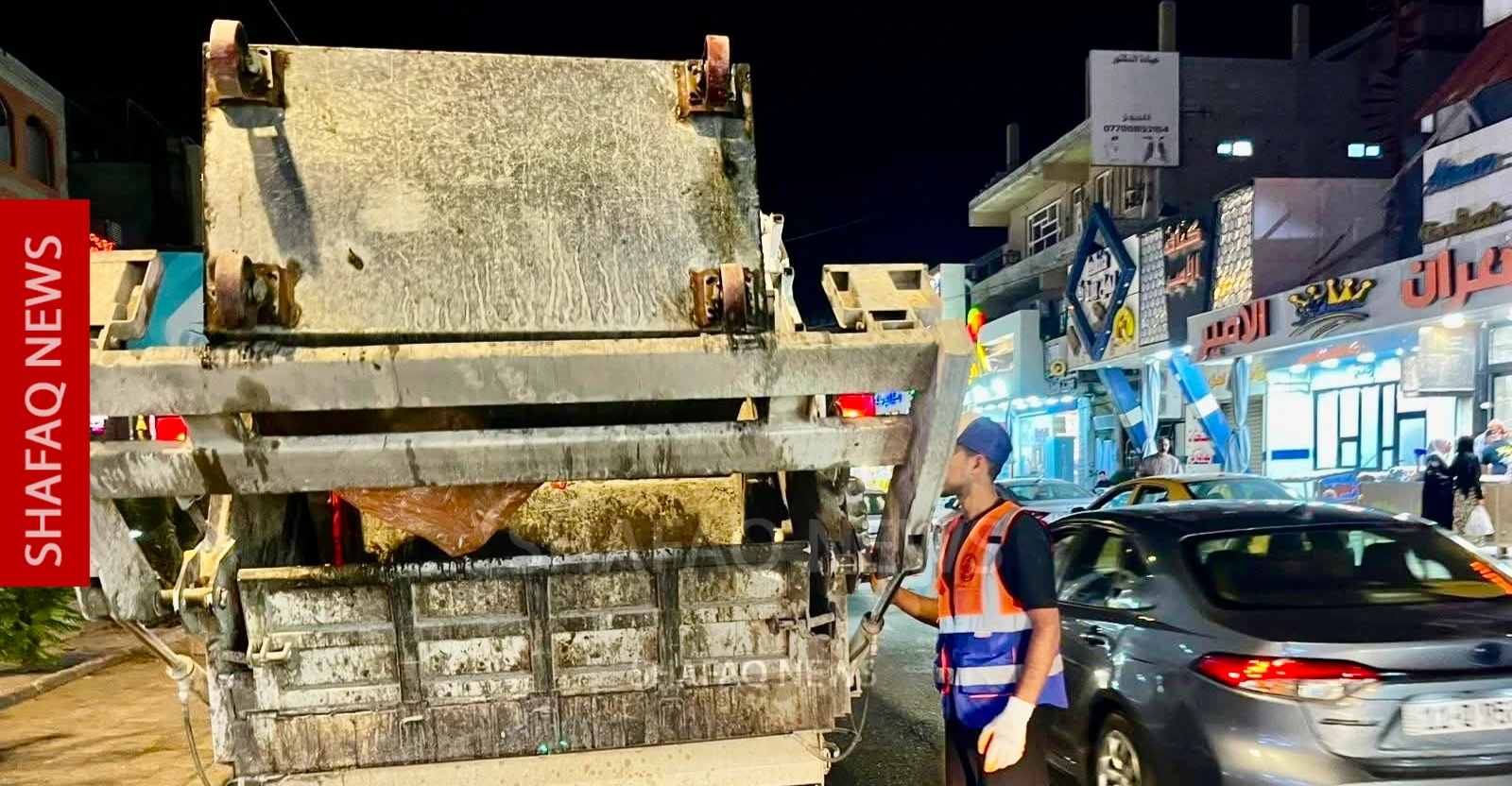
Waste management services in Baqubah, in Diyala province,are facing mounting challenges due to shortages of vehicles, fuel, andsanitation workers, limiting the city's ability to handle nearly 600 tons ofwaste generated each day.
Bassem al-Hadithi, head of the Environment Division at theBaqubah Municipality Directorate, told Shafaq News that the city has only 60operational garbage compactors, despite an estimated need for 120.
"The available fleet covers only 50% of actual demand,which directly affects the efficiency of waste collection campaigns,"al-Hadithi said, noting that municipal crews collect around 600 tons of wastedaily.
According to al-Hadithi, the directorate requiresapproximately 120,000 liters of diesel fuel to operate its heavy machinery,including bulldozers, graders, dump trucks, and garbage compactors, butcurrently receives only 40,000 liters. The shortfall stems from reductions infuel allocations to government departments introduced during the tenure ofIraq's previous prime minister, affecting the performance of municipalservices.
Al-Hadithi said Baqubah, with an estimated population of600,000, requires around 3,000 sanitation workers under service-sectorstandards that recommend 500 workers for every 100,000 residents. However, onlyabout 300 workers are currently employed, leaving the municipality with astaffing deficit of roughly 90%. "The shortage places enormous pressure ondaily service operations.”
The municipality is also facing limited funding for wastecontainers and garbage bags despite the city's size and the volume of wasteproduced, further complicating waste management efforts, al-Hadithi added.
He called for urgent government support and a review ofbudget allocations and resources, warning that continued shortages could worsenenvironmental and public service conditions in the city.
According to data previously published by Iraq'sEnvironmental Statistics Department, only 69% of the population outside theKurdistan Region had access to waste collection services in 2024, leavingnearly one-third of residents without regular collection coverage.
The department said Kirkuk and Dhi Qar provinces recordedthe highest urban waste collection coverage rates at 100%, while Salah al-Dinprovince reported the lowest level at 66.1%.
The data also showed that most temporary waste collectionsites lack environmental approval. Iraq has 86 temporary, non-compliant wastetransfer stations, with only three receiving environmental clearance.