Shafaq News- Baghdad
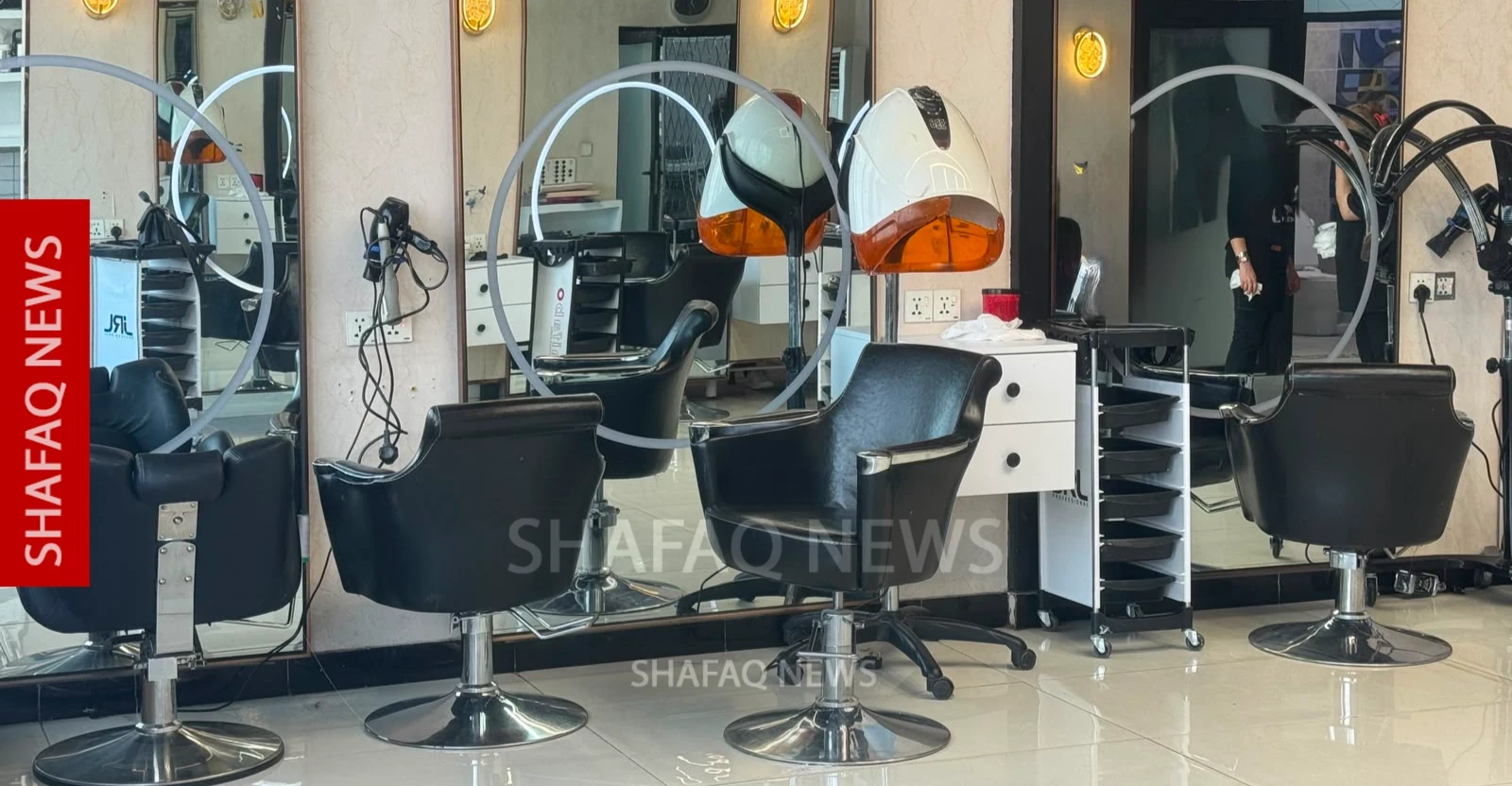
Beauty salons across Baghdad are facing a sharp slowdown as risingimport costs, higher rents, and weakening consumer spending push many operatorsto shut independent businesses or shift into shared workspaces inside largercenters.
“What I had was no longer covering even basic costs,” 25-year-old MaraKhaled told Shafaq News after closing her salon under pressure from rent,utilities, and soaring prices of imported beauty products. She now works insidea larger center, renting a chair and taking a share of monthly earnings.
For Khaled, the numbers no longer worked. Daily wages for staff canreach around 25,000 Iraqi dinars ($19), while customer traffic has dropped tounpredictable levels. On some days, she receives only one or two clients,mostly for basic services like blow-drying or skincare.
Raising prices, she warned, only risks pushing customers away, whilecheaper products would quickly damage quality and reputation.
Shifting into a shared model has eased overhead pressure, as rent,electricity, licensing, and safety requirements now fall on the center owner. Even so, she still described activity as weak, with demand concentrated almostentirely around weddings and special occasions.
“In some neighborhoods, a simple hairstyle can cost 10,000 dinars (about$8), while in upscale areas it may reach 70,000 dinars (about $54), dependingon hair length,” she explained, pointing to widening price gaps that arelimiting demand further.
“Imported products keep getting more expensive,” salon owner Duraid Saidremarked, citing cosmetics, protein treatments, and equipment as key pressurepoints in the market. Rising costs, he added, have forced price adjustments,but those increases have also contributed to fewer customers.
Expanding competition has added another layer of pressure. New salonscontinue opening across Baghdad, especially in upscale districts such asal-Mansour, where promotional offers are increasingly common.
Operating his center mainly during weddings and seasonal events, Saidobserved that activity remains minimal for the rest of the year, as productsused in salons are imported and tied to exchange rate fluctuations, makingpricing unstable and planning difficult.
Households, he stressed, are now prioritizing essential goods overnon-essential services like beauty treatments.
A Shafaq News survey across several salons showed that about 70% ofclients limit spending to basic services costing up to 25,000 dinars ($19),reflecting tighter budgets and reduced liquidity.
For many customers, even routine treatments have become occasionalluxuries. “Hair dye now costs at least 200,000 dinars ($154), which is morethan I can justify spending regularly,” customer Kawsar Saleh explained. Manywomen, she added, now buy products from local markets and apply them at homeinstead of visiting salons regularly.
Salon visits, once routine for many families, have largely shifted toweddings and major events. In previous years, bridal preparations oftenincluded extended groups of relatives and friends; now, it is mostly limited tothe bride herself.
Tracking the sector’s downturn, the Baghdad Barbers and Stylists Unionattributes the slowdown to rising costs and expanding competition. According tofinancial official Ikhlas Fadel, the Union does not collect fees from owners orworkers but continues to monitor closures and market pressure.
Fadel also noted that as costs continue to climb and customers tightenspending, some owners have reduced working days, including weekly closures, tocut expenses.
: Inflation and salary delays shrink Iraqi women’s beauty spending