INA-SOURCES
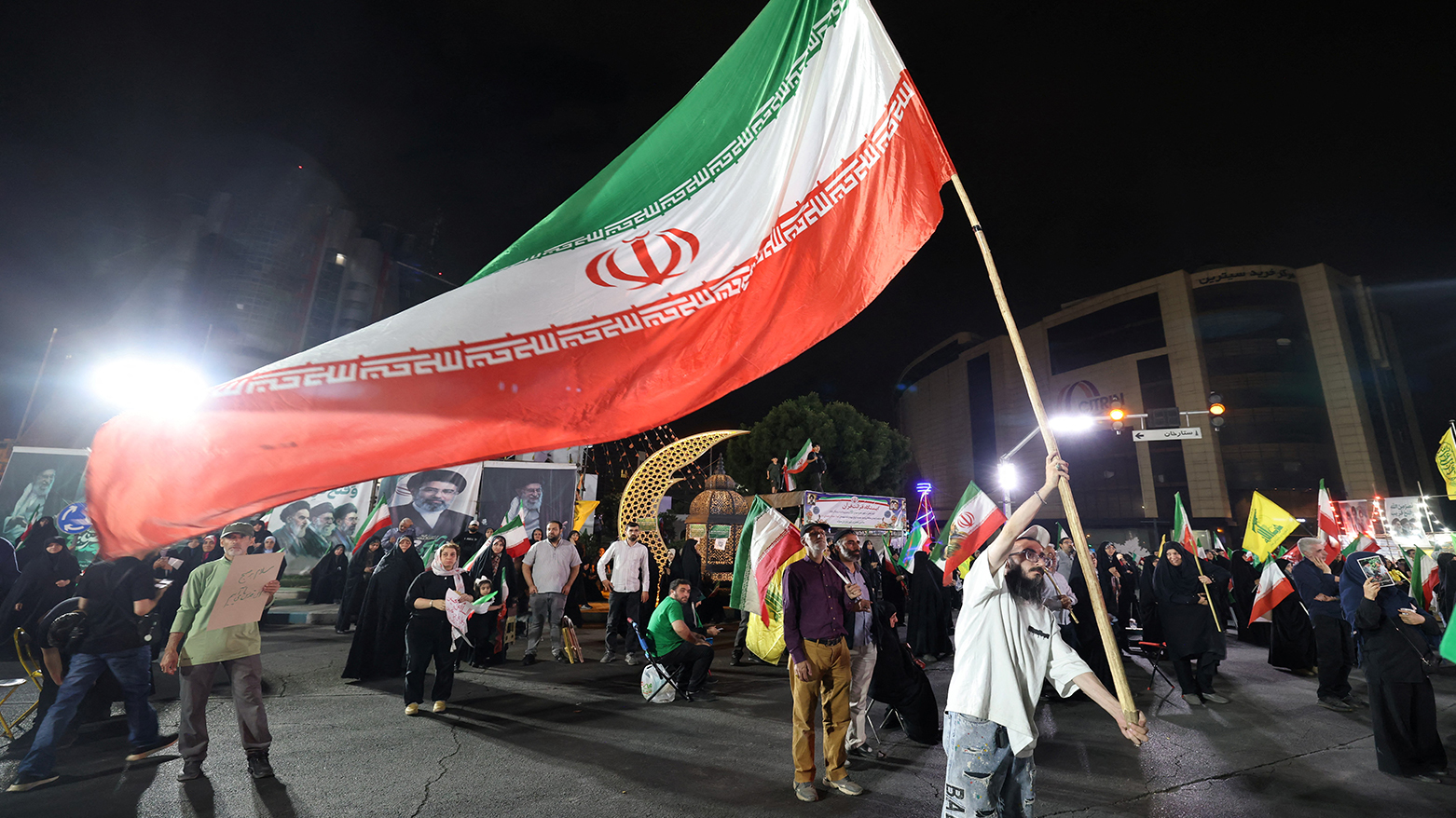
Oil prices moved higher on Monday as renewed military exchanges between Israel and Iran heightened fears of prolonged instability in the Middle East, raising concerns over potential disruptions to regional energy supplies.
Currently, Brent crude futures are up by $4.08, or 4.38%, to $97.17 per barrel, according to data by Mettis Global.
West Texas Intermediate (WTI) crude futures are up by 3.75%, to $94.29 per barrel by [09:49 am] PST.
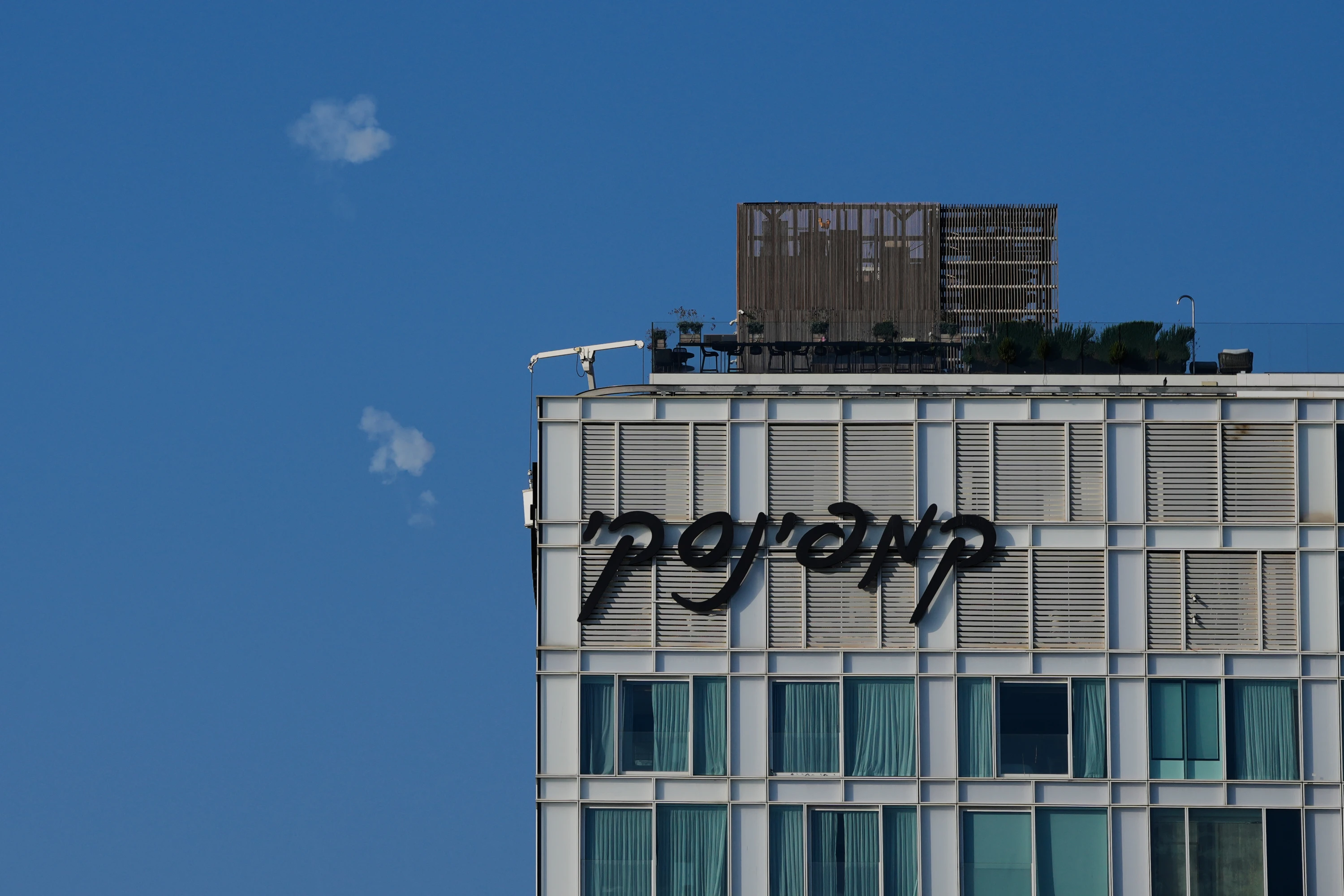
The latest escalation came after Israel launched airstrikes targeting military sites in western and central Iran, according to statements from Israeli authorities.
The strikes followed reports that Iran had fired a missile into Israel, marking the first such incident since a ceasefire arrangement had taken effect, according to CNBC.
The growing tensions have cast doubt on diplomatic efforts aimed at reducing regional hostilities. U.S. President Donald Trump, who was briefed on the developments, indicated that the latest attacks could complicate ongoing negotiations, while an Iranian official involved in discussions with Washington suggested that prospects for a deal with the United States had become increasingly remote.
Iranian Parliamentary Speaker Mohammad Bagher Ghalibaf also warned that U.S. actions in the region, including what Tehran described as a naval blockade and violations of agreements related to Lebanon, could further undermine the ceasefire.
He added that American military assets and bases in the region could be considered legitimate targets under the current circumstances.
Despite the geopolitical tensions, the oil market also weighed fresh supply developments after OPEC+ approved another increase in production targets.
According to an OPEC statement, the alliance agreed to raise output quotas by 188,000 barrels per day from July, marking the fourth consecutive production increase since the reopening of the Strait of Hormuz.
The latest adjustment follows smaller increases than those implemented earlier in the year, with the July hike matching June’s increase and remaining below the larger quota expansions approved in April and May following the departure of the United Arab Emirates from the group.
Market participants continue to monitor both geopolitical risks and supply-side developments, with concerns over Middle East stability providing support to crude prices despite expectations of higher OPEC+ output in the coming months.
SOURCE: METTIS GLOBAL