Shafaq News- Baghdad
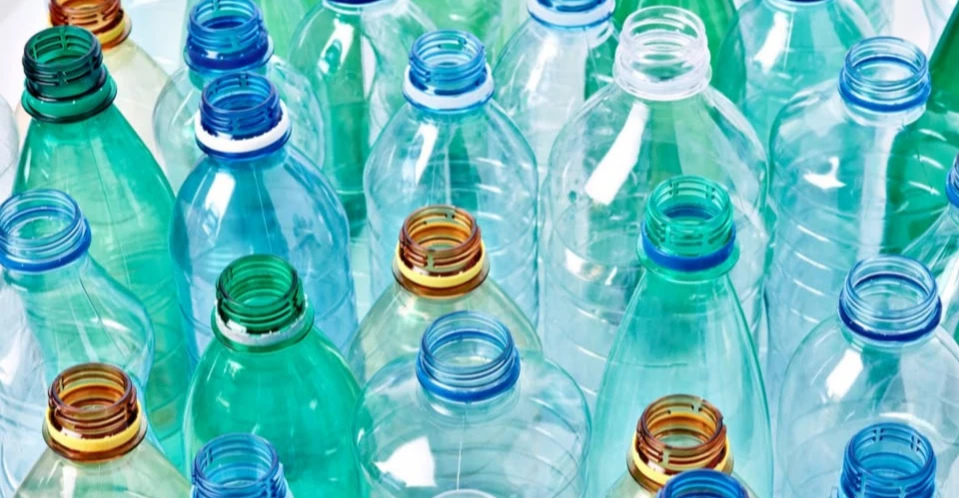
Plastic bottles and single-use containers are emerging as one of Iraq’s“most pressing environmental pressures,’’ with consumption rising whilerecycling rates remain low, the Iraq Green Observatory reported on Thursday.
Plastic use is deeply embedded in daily life, ranging from bottled waterand beverage packaging to food containers and plastic bags. Iraq is also amongthe region’s larger importers of plastic materials, with supplies mainly comingfrom China, Turkiye, Iran, and Saudi Arabia.
The watchdog estimates that each Iraqi generates around 400 grams ofplastic waste per day. In Baghdad alone, waste output reaches roughly 10,000tons daily, with plastic accounting for 600 to 1,000 tons —about 15% to 20% oftotal solid waste nationwide.
Beyond household consumption, the construction sector accounts for about21% of plastic use, particularly in pipes, insulation materials, and buildingcomponents. Plastic is also widely used in electronics, automotivemanufacturing, and household goods.
Despite high levels of use, recycling remains limited. Less than 20% ofplastic waste is recycled, while most ends up in unregulated dumpsites orinformal landfills, including areas along the Tigris and Euphrates rivers.
Efforts to replace plastic bags with paper alternatives have facedpractical constraints. Any transition, the Observatory notes, would require sustainedpublic awareness campaigns alongside broader measures targeting single-usebottles, beverage packaging, and disposable containers that dominateconsumption patterns —steps that are currently not in place.
: Iraq's new government takes on plastic pollution with restrictions

![Sadr sets one-week deadline to separate armed group from movement On Thursday, Sadr issued a letter directing “to complete the procedures of the separation of Saraya al-Salam from the [National Shiite] Movement within a maximum period of one week,” according to the document seen by The New Region.](https://assets.thenewregion.com/posts/hd/1670525316.webp)