Shafaq News- Baghdad
Iraq’s parliamentary Security and Defense Committee calledon Wednesday for an “emergency budget” to strengthen the country’s air defensesfollowing Gulf accusations that drone attacks against Saudi Arabia and the UAEoriginated from Iraqi territory.
Committee member Yasser Watout told Shafaq News that thegovernments of Saudi Arabia and the UAE should provide “concrete evidence”supporting their recent accusations.
“The protection of Iraqi airspace is the responsibility ofthe Global Coalition,” Watout pointed out.
He also questioned how such operations could occur withoutbeing detected, noting that Iraqi skies is monitored by US and Israeli aircraftas well as advanced surveillance systems and satellites, urging both countriesto clarify whether the drones were launched from southern, central, or northernIraq.
He suggested that a “third party” could be behind theattacks in an attempt to fuel tensions between Iraq and Gulf countries.
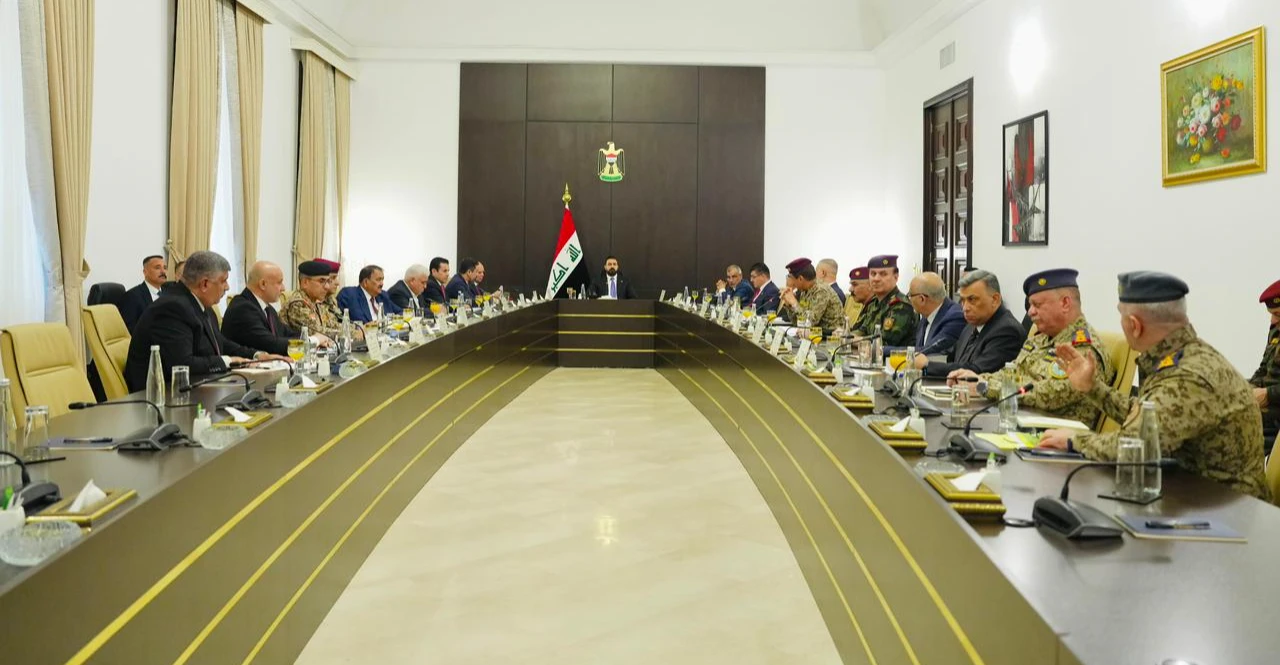
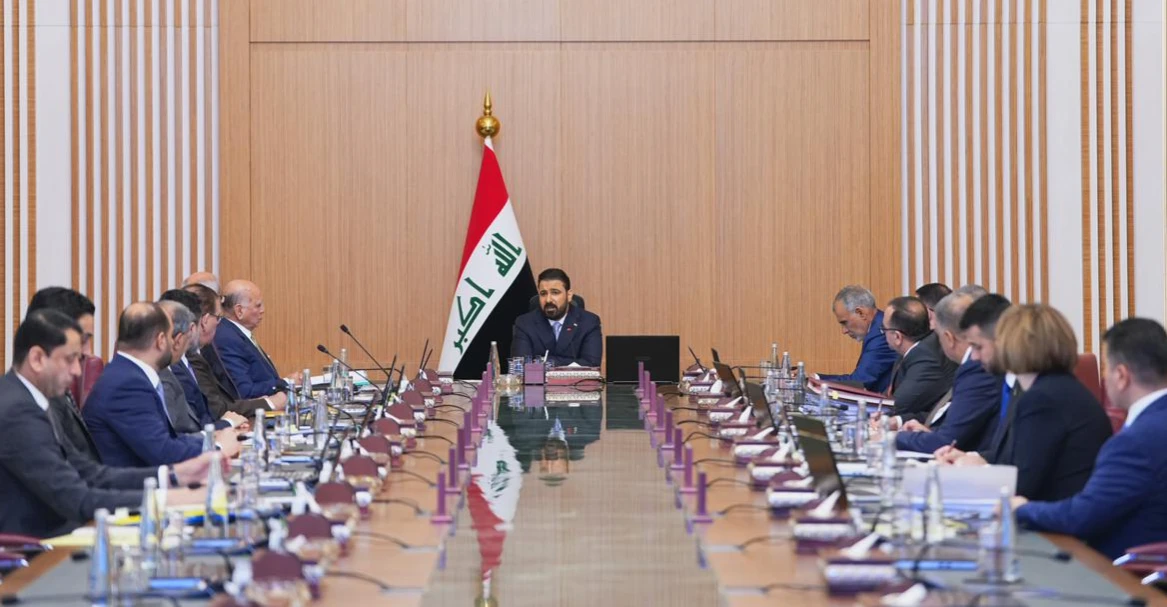
Earlier today, Iraq’s Ministerial Council for NationalSecurity ordered an investigation into the alleged drone attacks and warned oflegal action against those responsible if the accusations are confirmed. Thecouncil also formed a special committee to coordinate with Saudi and Emiratiauthorities, while Commander-in-Chief of the Armed Forces Ali Al-Zaidiinstructed security agencies to take all necessary measures against anyindividuals or groups involved.
: How the Iran–US–Israel war exposes Iraq’s defense paralysis
On May 17, Saudi Arabia’s Defense Ministry announced that ithad intercepted and destroyed three drones after they entered the kingdom’sairspace from Iraq, warning that Riyadh would take the necessary operationalmeasures “at the appropriate time and place.”
Later, the UAE Defense Ministry also revealed that it had intercepted six drones originating from Iraq over 48 hourstargeting the Barakah Nuclear Plant.
Iraq’s armed forces have relied on foreign defenseprocurement since the early 2000s, with recent efforts focused on rebuildingdeterrence amid regional instability and increasing pressure to assert airspacesovereignty —particularly following repeated breaches during the 12-day war betweenIran and Israel in 2025.
: Iraq's air defense void: How US vetoes, and Russian limits leave Baghdad exposed