Shafaq News- Baghdad
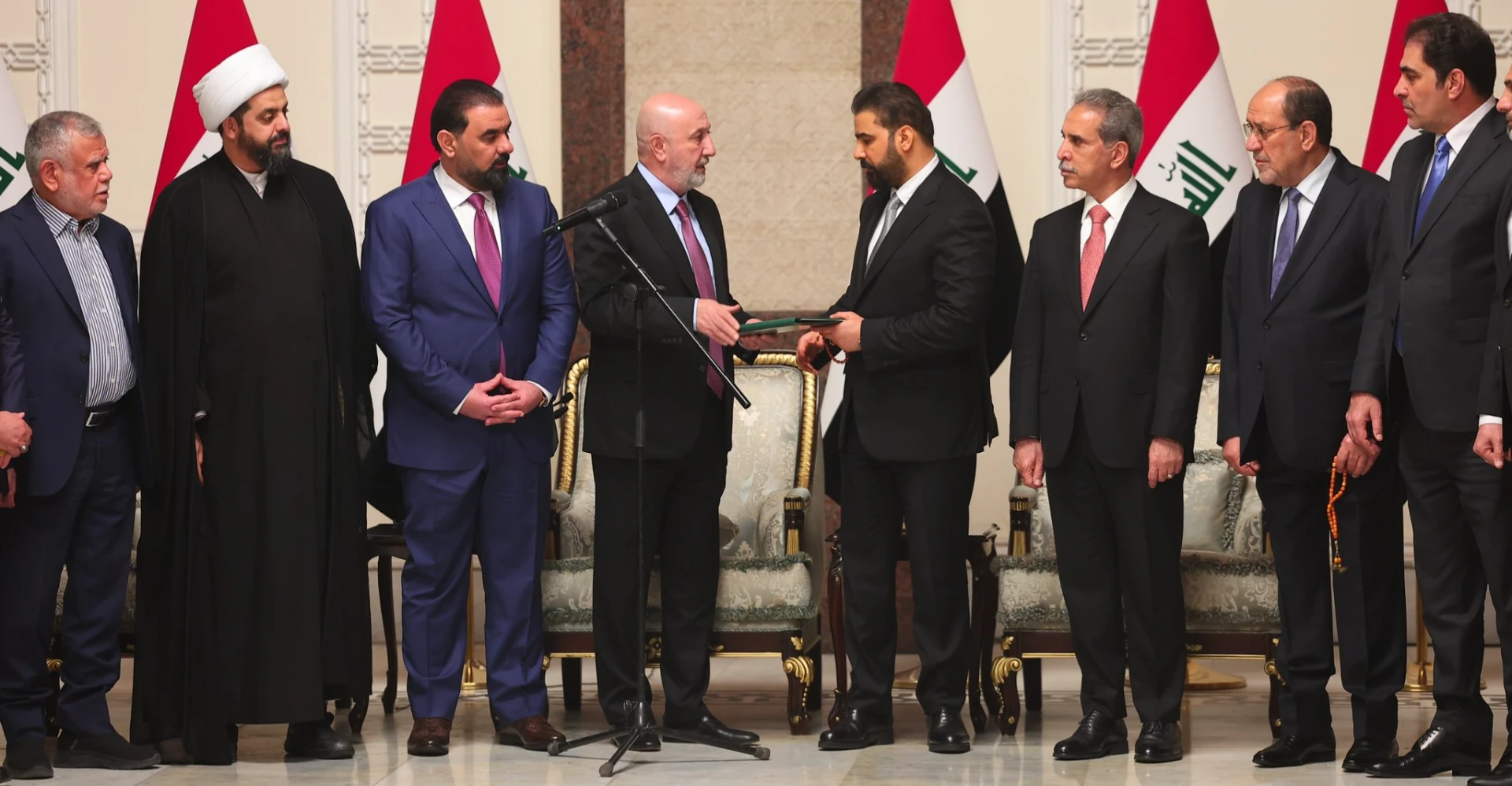
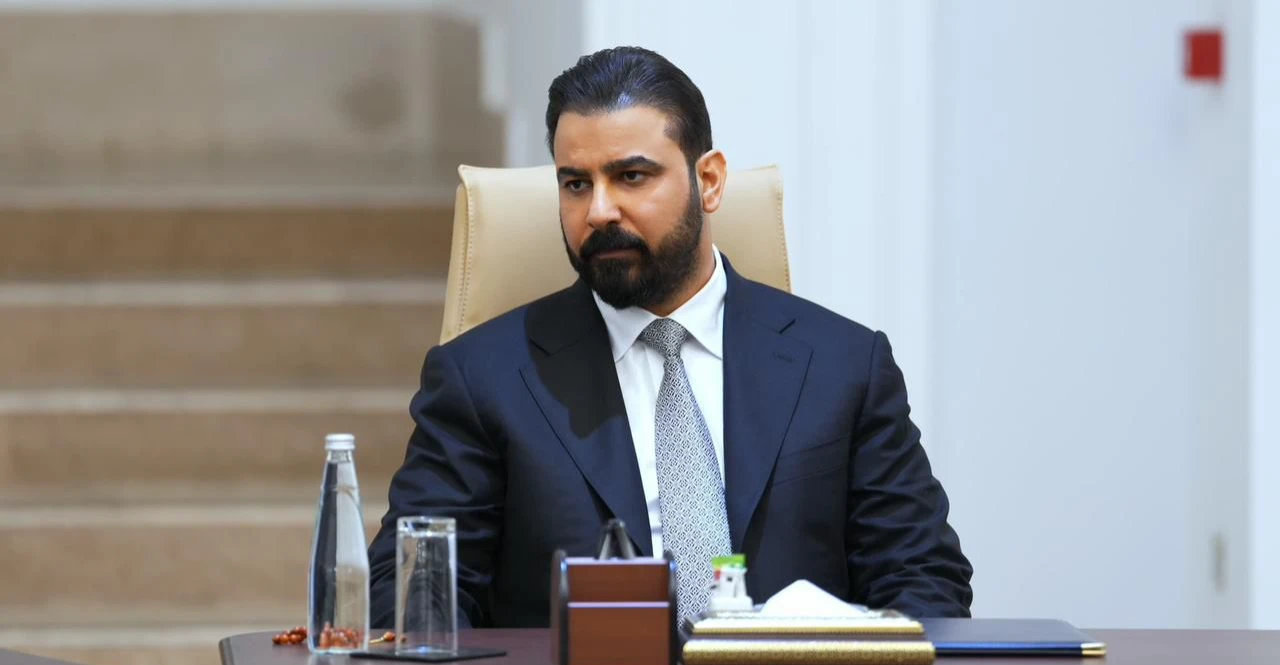
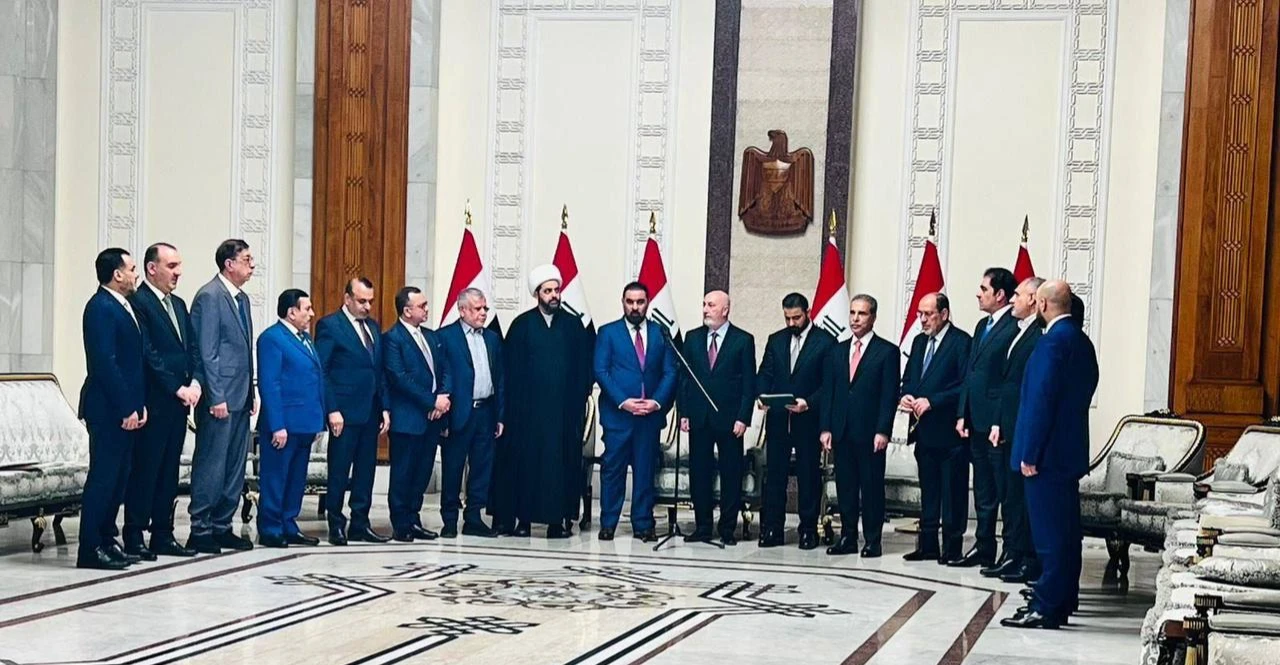
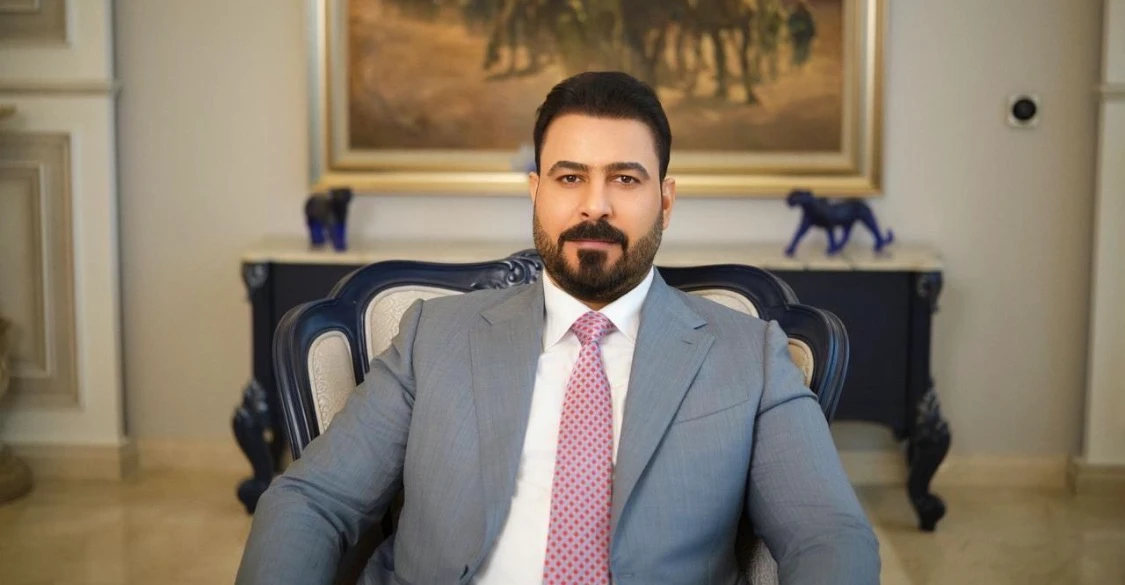
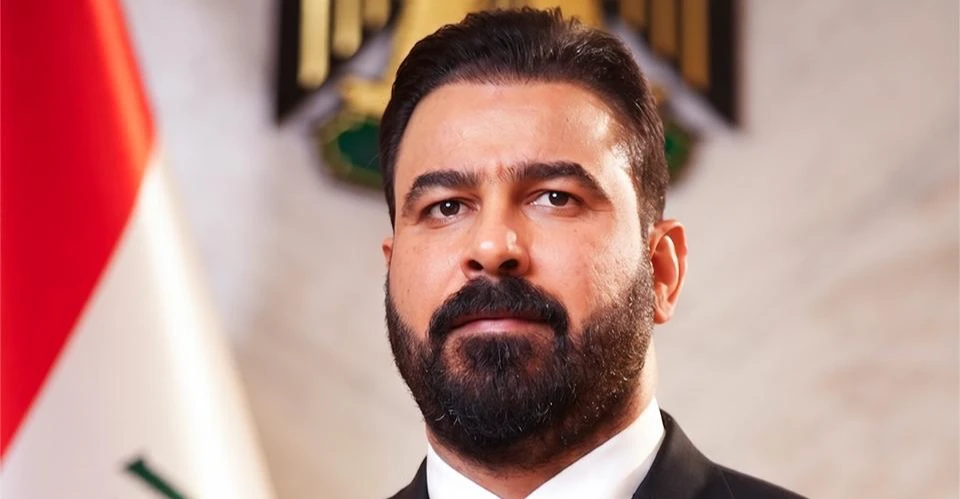
Ali Faleh Kazem Al-Zaidi, the figure nominated by the ShiiteCoordination Framework for the position of Iraqi prime minister, has built hiscareer almost entirely outside the structures of elected government.
Born in Dhi Qar province in southern Iraq and in hisearly forties, Al-Zaidi holds bachelor's degrees in law and in finance andbanking, along with a postgraduate degree in the same field. Membership in theIraqi Bar Association connects him formally to the legal profession, though nopublic-sector practice has been recorded.
The bulk of his professional life has unfolded in theprivate sector. As chairman of the board of Al-Watania Holding Group, amulti-sector conglomerate, he sits among Iraq's more influential businessfigures without being among its publicly recognizable ones. Before that, thechairmanship of Al-Janoob Islamic Bank —one of Iraq's larger private financialinstitutions— along with leadership roles at Al-Shaab University and the IshtarMedical Institute, traced a trajectory across banking, higher education, andhealth training that has remained, throughout, at a remove from electoralpolitics.
No political office has been held at any level ofgovernment. No party affiliation has been declared. Notably, his name did notsurface in the rounds of formal and informal negotiation that typically precedea Coordination Framework nomination —a process in which candidate namesgenerally circulate and are tested publicly before any official move is made.
For the first time, the Coordination Framework, whichhas held the dominant role in Iraqi government formation since the 2021elections, put forward a figure with no recorded involvement in politicalnegotiations. Sunni and Kurdish political blocs have both welcomed thenomination, a degree of cross-communal endorsement that is uncommon at thisstage of Iraqi government formation.
What brought Al-Zaidi to the Framework's attention,and on whose initiative, has not been confirmed by any official source. Whatthe record shows is a career constructed in the private sector, with nodocumented footprint in the political processes that define how Iraqigovernments are formed.