
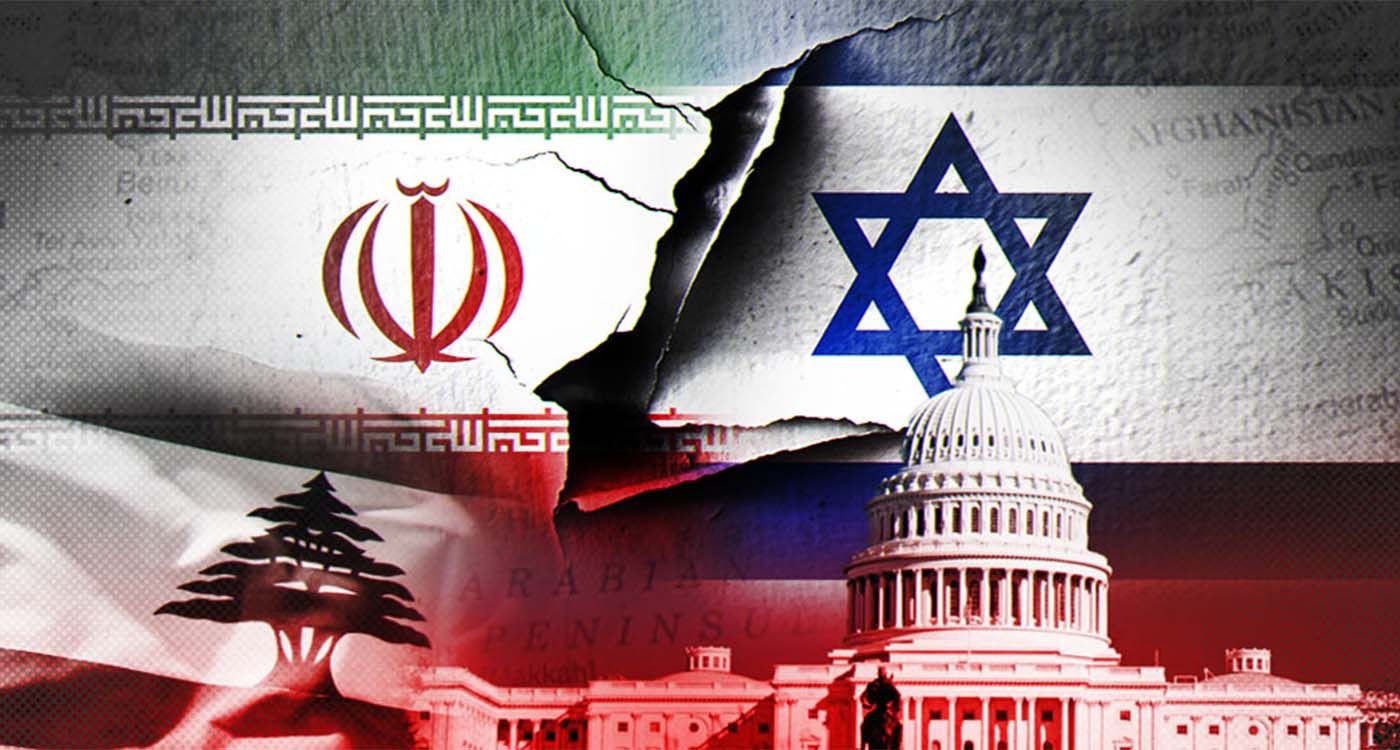
Baghdad (Hatha Alyoum English) - In the sphere of international relations, major events cannot be interpreted in isolation from their interconnected geopolitical contexts; developments in the United States' "backyard" often resonate profoundly in the Far East. From this perspective, any hypothetical scenario involving the "neutralization" of the Venezuelan file—whether through dramatic political change or comprehensive containment—is not merely a rearrangement of Latin American cards. Rather, it can be strategically read as a move toward securing the West’s "energy rear guard."
US military doctrine has historically preferred not to engage in major hot fronts without first ensuring alternative energy sources and market stability. Here lies the critical hypothesis: control over oil reserves in the Western Hemisphere, combined with the US shale boom and Gulf strategic reserves, may grant Washington’s decision-makers a wider margin of maneuverability. It reduces the "economic anxiety" that has long acted as a brake on open conflict, thereby making escalation options more plausible on the table.
This reading of the global energy landscape coincides with precise intelligence monitoring of the Middle Eastern theater, where indicators suggest a new phase of "force projection" that transcends mere diplomatic pressure. Current developments—ranging from intensified military drills to measures concerning aviation safety—can be interpreted as part of a "maximum deterrence" strategy. Strategic estimates suggest that the active air bridge, along with the transfer of logistical equipment and defensive systems to regional bases, is likely not a routine procedure, but rather preparation for multiple scenarios ranging from deterrence and defense to the possibility of preemptive strikes.
It appears the United States aims to signal its readiness to absorb any retaliatory action, fundamentally altering the traditional rules of engagement.
The picture becomes increasingly complex when observing naval and aerial posturing. The deployment of carrier strike groups, simultaneous with reports of positioning strategic heavy bombers, is viewed as brandishing a "heavy military option." These movements do not necessarily imply that war is inevitable, but they place the region in a dangerous "gray zone" where the probability of miscalculation rises significantly.
Furthermore, the drawdown of diplomatic operations in certain Western missions is historically a concerning indicator that often precedes rounds of escalation, suggesting that political channels may have reached a deadlock or are being "temporarily frozen" pending the results of field pressure.
Nevertheless, the decision to engage in broad military action remains subject to intricate calculations within Washington’s corridors of power. It is not merely a matter of military will, but a delicate balance between "hawks" pushing for decisive action and economic and political institutions fearful of the fallout. The belief that securing alternative energy sources provides an absolute "green light" is an oversimplification; war—should it occur—would carry exorbitant costs and unleash chaos that is difficult to contain.
As historical precedents demonstrate, policies of "economic strangulation" and siege may be preludes to regime change, but they are not magic recipes with guaranteed outcomes; every theater has its specificities, and Iran possesses tools and leverage that differ radically from previous regional examples.
Concurrently, the interplay between external pressure and Iran's internal dynamics cannot be overlooked. Protests and dire economic conditions represent a critical variable, one that Washington may view as an "opportunity" to ramp up pressure, or potentially to justify future intervention under the pretext of "protecting civilians" or supporting popular demands.
The drawing of "red lines" by the US administration regarding the treatment of protesters places the regime in Tehran before a genuine dilemma: caught between the hammer of harsh sanctions and the anvil of public anger, options narrow, creating a fertile ground for scenarios of "engineered change" that rely on capitalizing on internal crises in parallel with external military threats.
On the international stage, banking on direct intervention by major powers like Russia or China to flip the equation appears unrealistic. Recent history suggests that while these powers oppose US hegemony, they tend to manage their interests pragmatically. They may resort to "political distraction" or indirect support to prolong the conflict and drain Western resources, without committing to direct military confrontation. This "pragmatic" international stance leaves the region—and nations like Iraq specifically—directly in the path of the storm.
Viewing these collective data points, the region is not necessarily standing before an inevitable "Doomsday" scenario, but rather a spectrum of open possibilities. We may witness limited "surgical warfare" aimed at degrading specific capabilities without comprehensive regime change, or the "brinkmanship" scenario may continue through shadow wars and proxy conflicts, slowly bleeding the region economically and visibly. However, the most dangerous scenario—total confrontation—remains a possibility if the system of mutual deterrence collapses.
For Iraq, its geopolitical position renders it vulnerable to the aftershocks of any of these pathways, whether direct military action or suffocating economic fallout, unless diplomacy succeeds in crafting "last-minute solutions" that reset the rhythm of the conflict within manageable rules of engagement.