Shafaq News- Baghdad
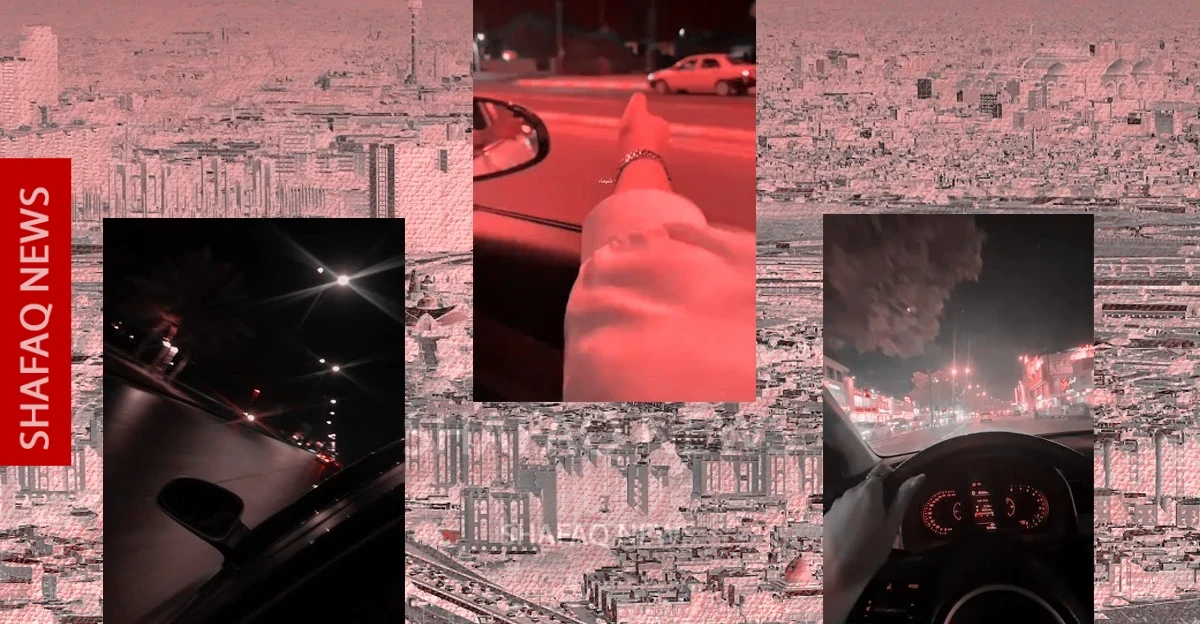
Before leaving home, Rana helps her children get readywhile her husband waits in the car, scrolling through a playlist for theevening. Once everyone is inside, the phones come out. A quick family selfie, avideo through the windshield, another clip of hands resting together on thegear lever. Within minutes, the car is moving through Baghdad's streets.
There is no destination in particular. Restaurants, parks,and cafés are not on the family's itinerary. Dinner was eaten at home. Coffeeor ice cream can be bought from a roadside kiosk if anyone wants it. The driveitself is the evening's entertainment.
For Rana, 30, this has become part of daily life."Going to one place takes time, and you only see one area," she says."Driving lets us move around the city. If we want coffee or refreshments,we stop and buy them."
She notes that the family no longer spends evenings the wayprevious generations did. Video calls have replaced many family visits, whileneighbourhood life has changed with shrinking homes and the disappearance ofgardens where children once played together. "When we were young,neighbours knew each other, and children played outside," she continues."Now everyone has a phone. We eat at home, get in the car and spend timetogether that way."
The habit has become increasingly visible across Iraq,particularly during the summer, with social media filled with short videosrecorded from inside moving vehicles. Families film themselves driving throughcity streets, stopping briefly for drinks before continuing their journey.
Researchers say the trend reflects broader changes thansocial media alone. Social researcher Lahay Abdul Hussein points to the gradualdisappearance of many of the spaces that traditionally brought familiestogether. Larger houses with gardens have given way to smaller homes, whilemany public parks have deteriorated or become overcrowded. Commercial districtsthat once served as evening gathering places have increasingly been replaced byenclosed shopping malls.
Privacy also influences where families choose to spend theirtime. Women often feel more comfortable inside the family car than in crowdedpublic places, Abdul Hussein said, citing concerns ranging from harassment tothe lack of suitable recreational spaces. The car offers an environment thatfamilies can control themselves.
Baghdad's commercial expansion initially appeared tobroaden entertainment options. Hundreds of restaurants, cafés, and shoppingcentres opened across the capital over the past decade, many designed withelaborate interiors and spaces intended for photographs shared online.
Psychologist Rahim Al-Zubaidi believes familiarity hasreduced some of their appeal. Many families, particularly during the summerholidays, wait until the evening before going out. Rather than sitting forhours in crowded cafés or parks, they choose to drive through differentneighbourhoods, allowing children to stay out late while avoiding congestion.
Economics has reinforced the shift, as according to socialresearcher Ibtisam Al-Shammari, even households with relatively comfortableincomes increasingly think twice before taking large families to restaurants,where a single evening can become expensive. Buying drinks or ice cream andspending the rest of the evening driving costs considerably less.
She also points to security concerns, saying some parentsfeel more comfortable keeping children inside the car than in crowded publicspaces.
The COVID-19 pandemic strengthened habits that manyfamilies never abandoned. Food delivery became routine, reducing the need toeat outside. For many households, dinner is now prepared or ordered at homebefore the family heads out for an evening drive.