Shafaq News- Damascus
Syrian exports face significant challenges in the Iraqimarket despite strong potential in several production sectors, Abdul RazzaqHabaza, secretary-general of the Syrian Consumer Protection Association, toldShafaq News on Wednesday.
The biggest obstacles,Habaza said, include the higher cost of Syrian products compared with competingimports and the exclusion of Syrian goods from Iraq's central bank-backedimport financing platform, which offers preferential exchange rates foreligible imports.
"The agricultural, food processing, and manufacturingsectors, including pharmaceuticals, biscuits, jams, and packaging materials,all have real opportunities to expand in Iraq," Habaza noted, adding thatachieving that goal requires accounting for the import costs borne by Iraqitraders and introducing measures that facilitate trade between the twocountries.
Habaza called for greater support for joint Syrian-Iraqiinvestment projects and proposed establishing a joint free trade zone similarto the Syrian-Jordanian free zone to boost trade, investment, and economicintegration. “Syria's private sector remains the main driver of exports butneeds a more supportive and stable business environment.”
He also stressed that competing in the Iraqi market requiresstrict compliance with quality standards, particularly for agricultural andfood products, criticizing “weak compliance” with technical and food safetystandards for some Syrian exports to Iraq. “Lower-quality products have damagedthe reputation of Syrian goods in the Iraqi market.”
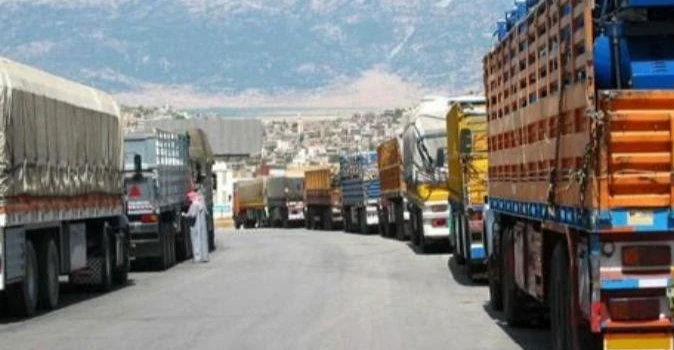
The secretary general urged authorities to strengthenquality control systems to ensure exports meet the standards of destinationmarkets, calling for customs facilitation on both sides of the border,describing customs procedures as another major challenge for exporters.
“Repeated sampling and testing of every export shipmentoften result in consignments being rejected and returned to Syria, increasingexporters' losses and reducing the competitiveness of Syrian products.”
Commenting on proposals to relocate Syrian industrialinvestments to Iraq, Habaza said encouraging manufacturers to establishfactories outside Syria, including in joint free zones, is not the bestsolution. Instead, he argued that the priority should be supporting factoriesand exporters inside Syria, saying stronger domestic production and exportswould generate broader economic benefits by increasing foreign currencyinflows, creating jobs, and stimulating economic activity across multiplesectors.