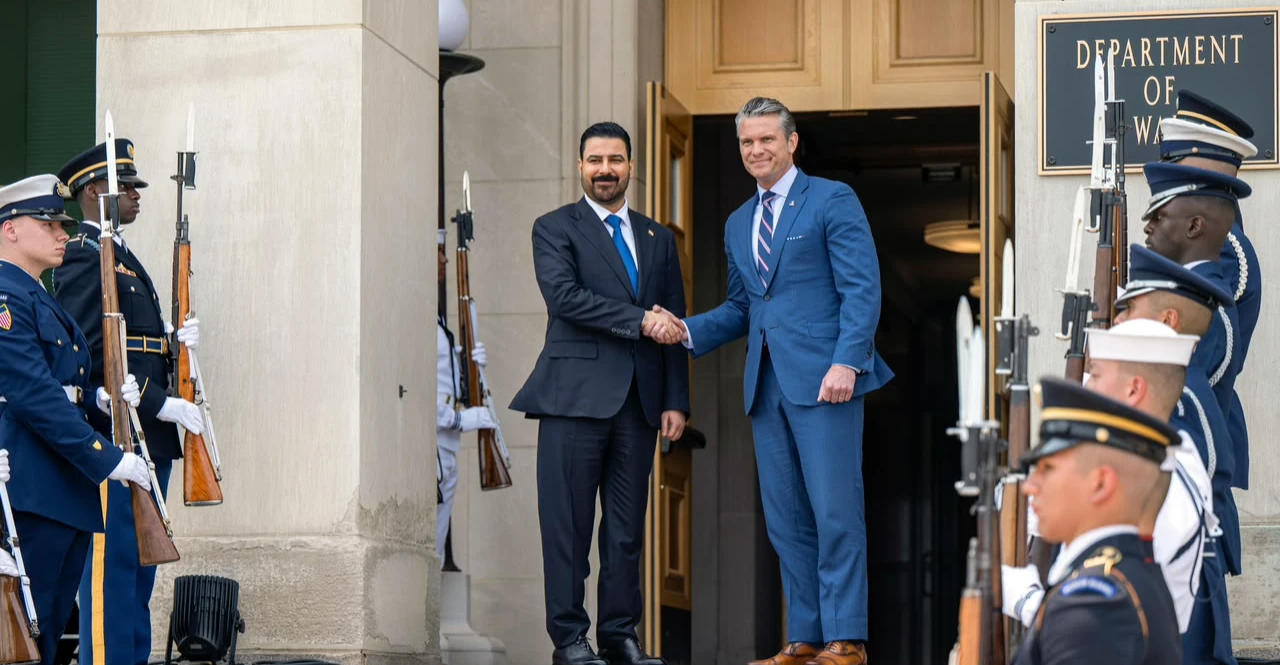
Shafaq News- Washington
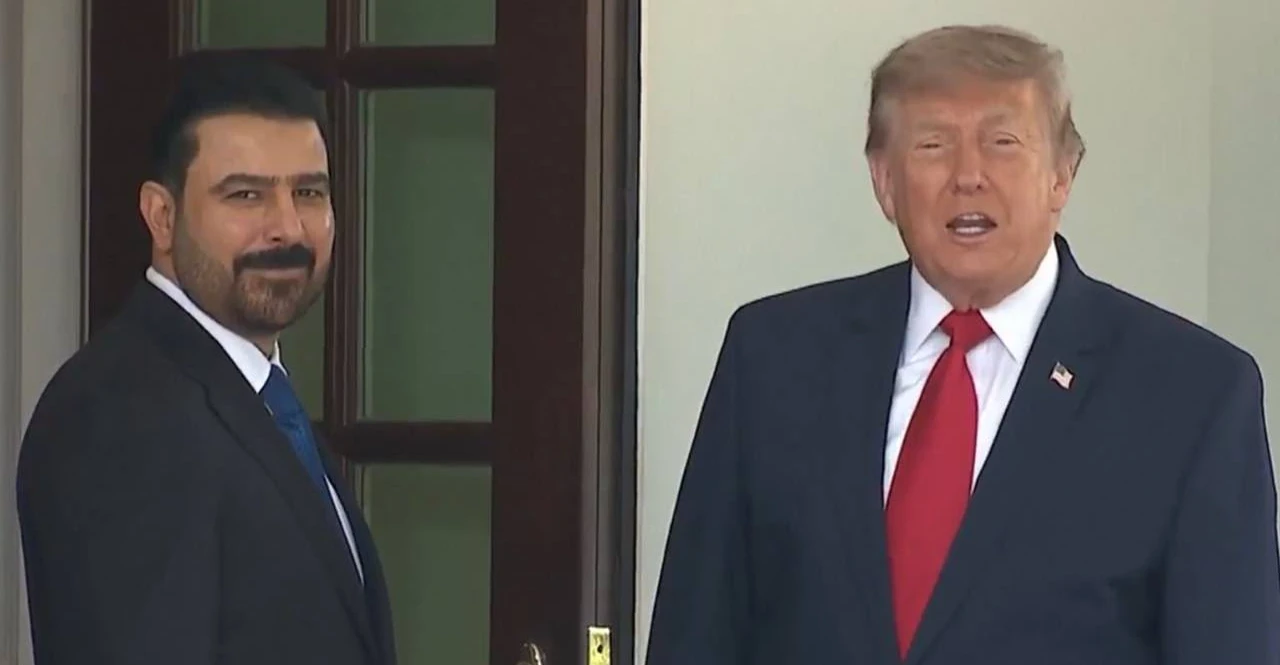
The United States pressed Iraq to disarm “Iran-aligned militias” andcurb Iranian influence, tying deeper economic and defense cooperation tomeasurable results, US officials said Tuesday during Iraqi Prime Minister Alial-Zaidi's visit to Washington.
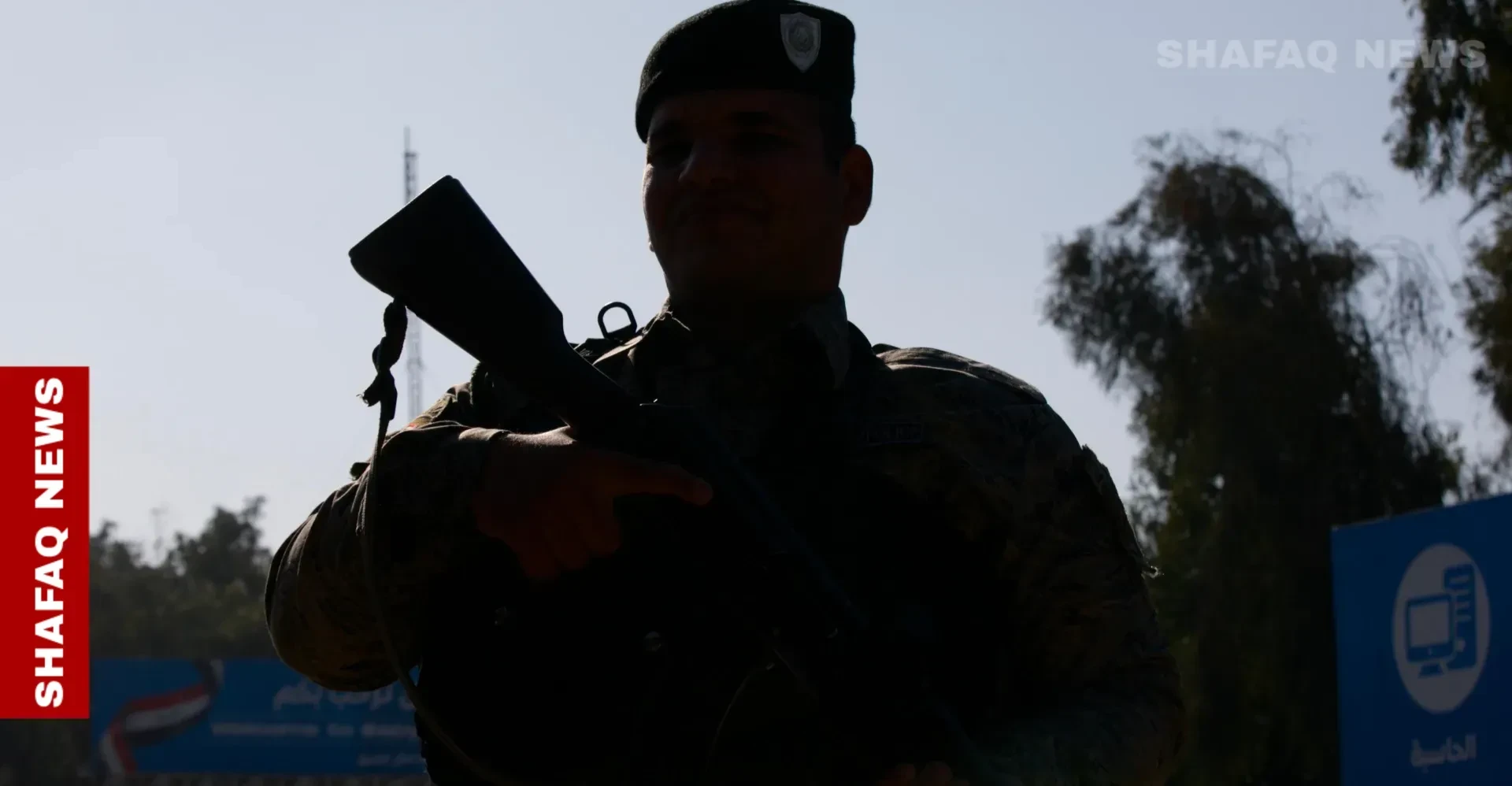
US Secretary of Defense Pete Hegseth said those groups were responsiblefor more than 600 attacks on US personnel this spring, during the US-Israel-Iranwar, adding that Iraq must assert its sovereignty and “disarm the militias,” and asserting that progress on that demand would open the way to commercial anddefense ties.
He said Washington was also looking to the Iraqi Security Forces,including the Peshmerga and other security forces of the Kurdistan Region, theautonomous Kurdish-run area of northern Iraq, to lead operations against ISIS asthe US-led coalition mission winds down. "A secure Iraq opens the door to strong commercial and defensecooperation."
Earlier, a senior official in the US administration told Shafaq News thatcurbing the Iranian influence, halting attacks launched from Iraqi soil "byIran-backed militias," and demonstrating measurable results on disarmament arethe core demands Washington is placing before Baghdad. The official added thatWashington would base its decisions on conduct and measurable results ratherthan commitments, and that it was following internal Iraqi discussions ondisarming some factions.
The official tied future cooperation directly to implementation, arguingthat a government under Iranian control could not put Iraq's own interestsfirst or keep the country out of regional conflicts.
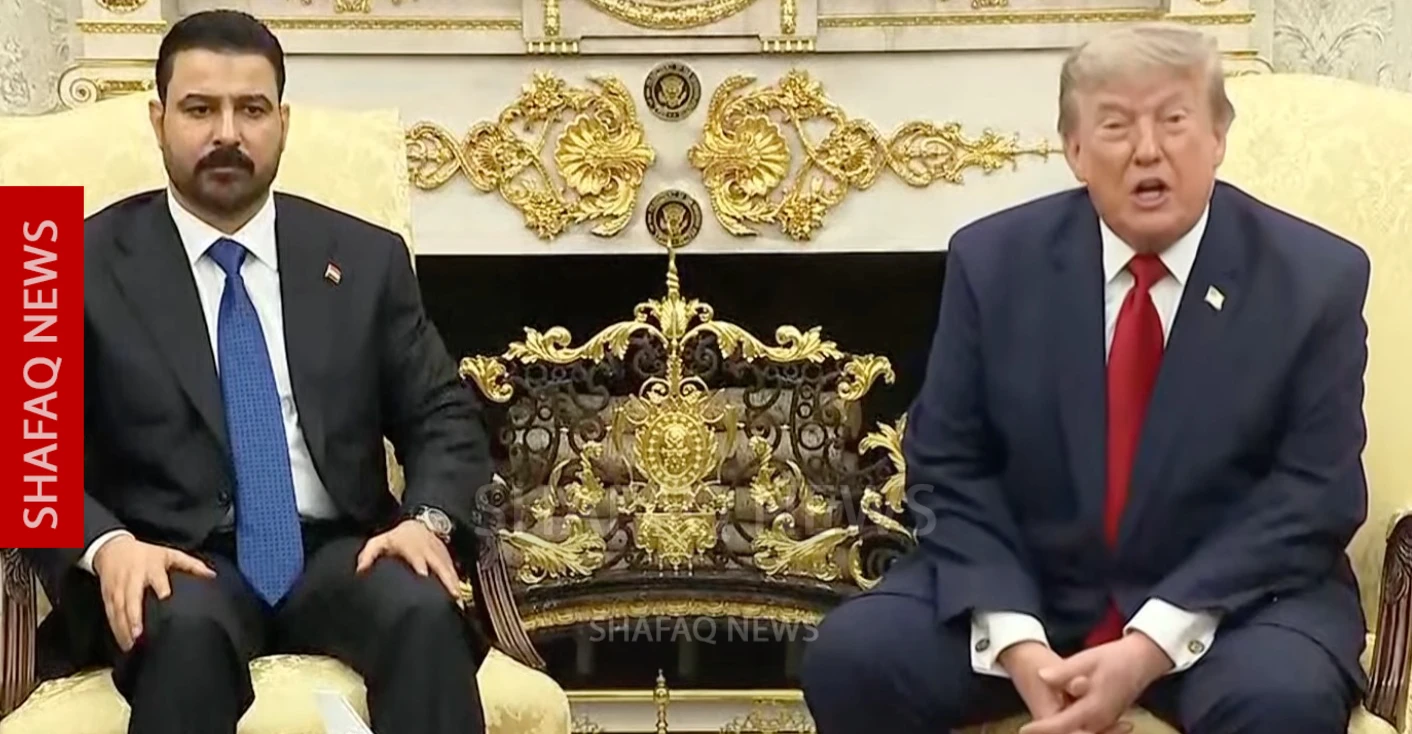
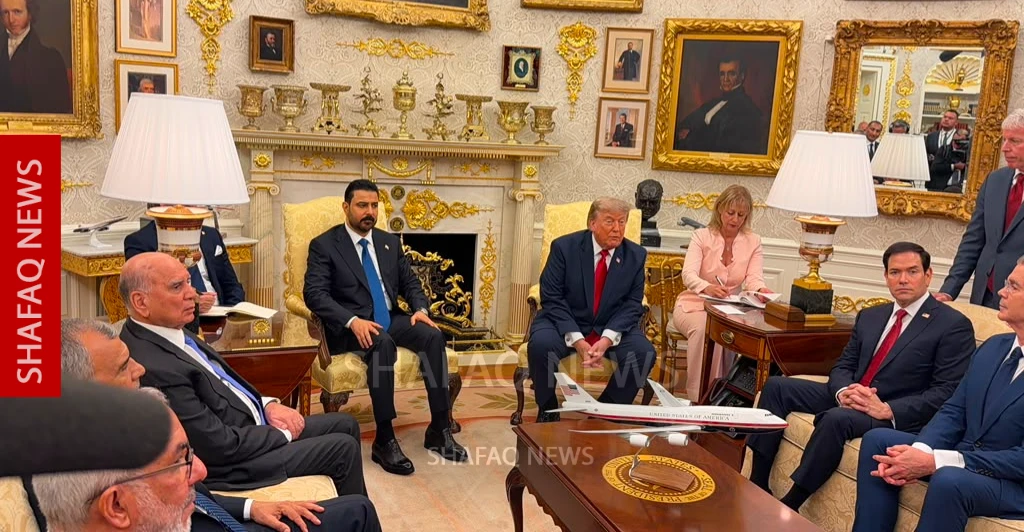
Trump, standing alongside al-Zaidi at the White House, said US forceswould leave Iraq by September 30 and that the military was no longer needed,pointing to Iraq's growing relationships with oil companies.
: Iraq PM al-Zaidi to Washington with energy deals front, “militia file” unresolved
Al-Zaidi told reporters that the US forces would be out while UScompanies would remain. The Pentagon said the move reaffirmed a 2024 agreement,reached under the Biden administration, to end the US mission against ISIS inIraq. He did not mention Iran-aligned groups, but rather, he confirmed duringthe meeting with Trump that the government had received weapons from some armedfactions, with restricting arms to the state a core pillar of his government'sprogram.
“It is to restrict the possession of weapons to the state. This is adecision. It is not an option,” al-Zaidi stressed.
During his current visit to Washington, the prime minister ordered the formationof an Iraqi committee to negotiate the future security and militaryrelationship with the United States after the withdrawal. His militaryspokesperson, Sabah al-Numan, pointed out that the committee would work with USofficials to define the framework of future cooperation before the coalitionmission concludes on September 30.
: US-Iraq security agreements keep failing
The United States invaded Iraq in March 2003 over claims, laterunproven, that Saddam Hussein held weapons of mass destruction, and itspresence peaked at more than 170,000 troops in 2007 before a drawdown thatended combat operations in December 2011. US and coalition forces returned in2014 at Baghdad's invitation to counter ISIS, and about 2,500 troops hadremained for training and partnered operations before the 2024 withdrawalagreement.
Al-Zaidi's official visit to Washington continues until July 18, duringwhich Iraq will sign more than 18 partnership agreements with the United States. The deals cover politics, the economy, industry, energy, oil, education,health, investment, and armament, according to another source.
: Al-Zaidi at the White House: A sustainable partnership or continued crisis management?