Shafaq News- Baghdad
Electrical appliance prices have nearly doubled acrossBaghdad as soaring demand for cooling equipment during Iraq’s summer heatcollides with supply shortages, traders and consumers told Shafaq News.
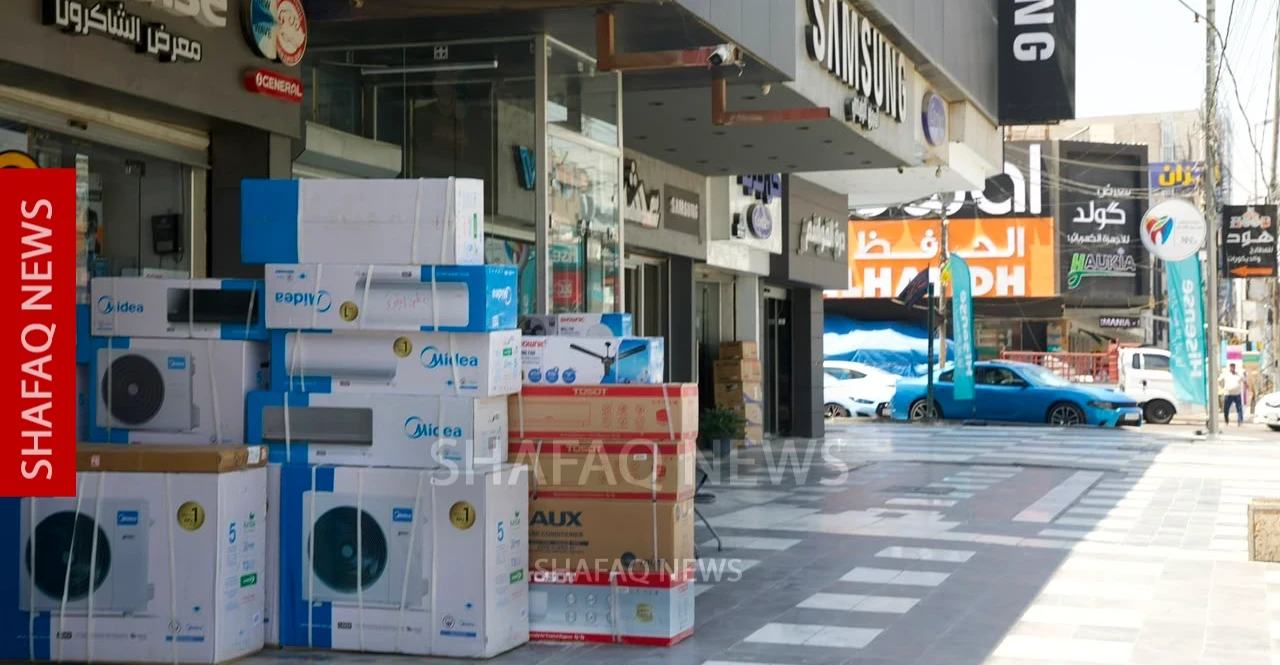
Air conditioners and refrigeration units have becomeincreasingly difficult to find, particularly internationally recognized brands,while the remaining stock is selling at sharply higher prices. Split-unit airconditioners, among the most sought-after products during the summer, haverecorded some of the steepest increases.
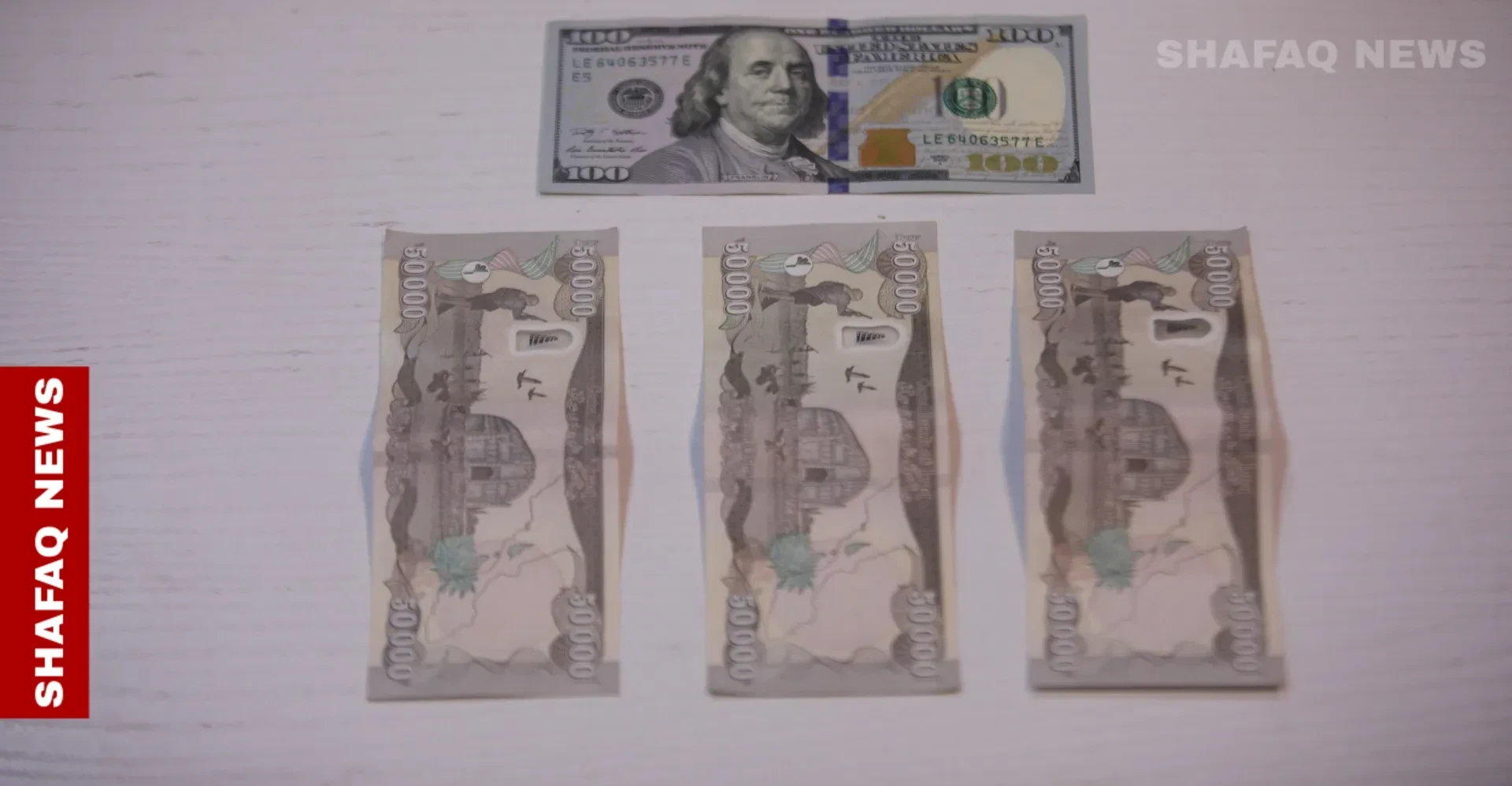
Ahmad Mudhaffar, who owns an electrical appliance shopin Al-Karrada district of Baghdad, told Shafaq News that appliances previouslysold for under one million Iraqi dinars (about $763) now cost one and a halfmillion dinars ($1,144), attributing the surge to volatile shipping costs,which now vary from one shipment to another, alongside customs tariffs thathave discouraged many importers from replenishing their inventories.
: Iraq’s scorching summer reshapes social behavior and work patterns
“Rising prices make it harder to sell appliances,because people’s purchasing power has dropped. Some traders prefer to delayimporting until things stabilize, but the real victim is the citizen who can nolonger find quality appliances in the market, and if they do find them, theprice is very high,” he explained.
Speaking to Shafaq News, Salman Dhiab, an appliancetrader, noted that customs duties and tariff enforcement have prompted someimporting companies to delay removing shipping containers from border crossingsand ports, where fees accumulate. Ali Abd Aoun, another retailer, documentedfurther evidence of market tightening. “Quality appliances used to be availablein most shops. Today only a limited number of companies supply them,” Aoun recalled,pointing out that one model of split-unit air conditioner rose in price fromapproximately 750,000 dinars ($572) to one and a half million dinars.
The shortage has pushed consumers toward lower-qualityalternatives. Wasan Ali, a 35-year-old resident of Baghdad’s Jadiriyahdistrict, said she searched extensively for high-efficiency cooling equipmentfrom recognized international manufacturers but found none available. “Theappliances available now are cheaper, lower quality, and break quickly. Manypeople end up buying them because there are no better options.”
Hussein al-Abadi, 48, shared a similar experience, tellingShafaq News that several appliances he purchased in recent months stoppedworking shortly after installation.
A source within Umm Qasr Port, Iraq’s primary maritimefacility, disputed claims that shipping delays are responsible for theshortages, clarifying that cargo destined for Iraq is unloaded immediately toavoid penalties and that containers currently stored at the port are in transitto Turkiye. Several vessels, the source added, remain outside theport awaiting clearance because of tensions surrounding the Strait of Hormuz,which carries around 20% of global oil supplies.
Council of Ministers Resolution 957, issued on October28, 2025, activated customs tariff enforcement after the statute had beeninactive since 2010. The resolution introduced tariff rates ranging from 5 to30 percent depending on commodity type. Prior to this activation, customsduties on imported goods were collected as a fixed amount between three andfour million dinars ($2,289-$3,051) per shipping container, regardless of cargotype or value, according to Al-Nakheel Center for Rights and Press Freedoms, anindependent civil society organization.
: Iraq’s updated customs tariffs, legal dispute, and market impact