Shafaq News- Tehran
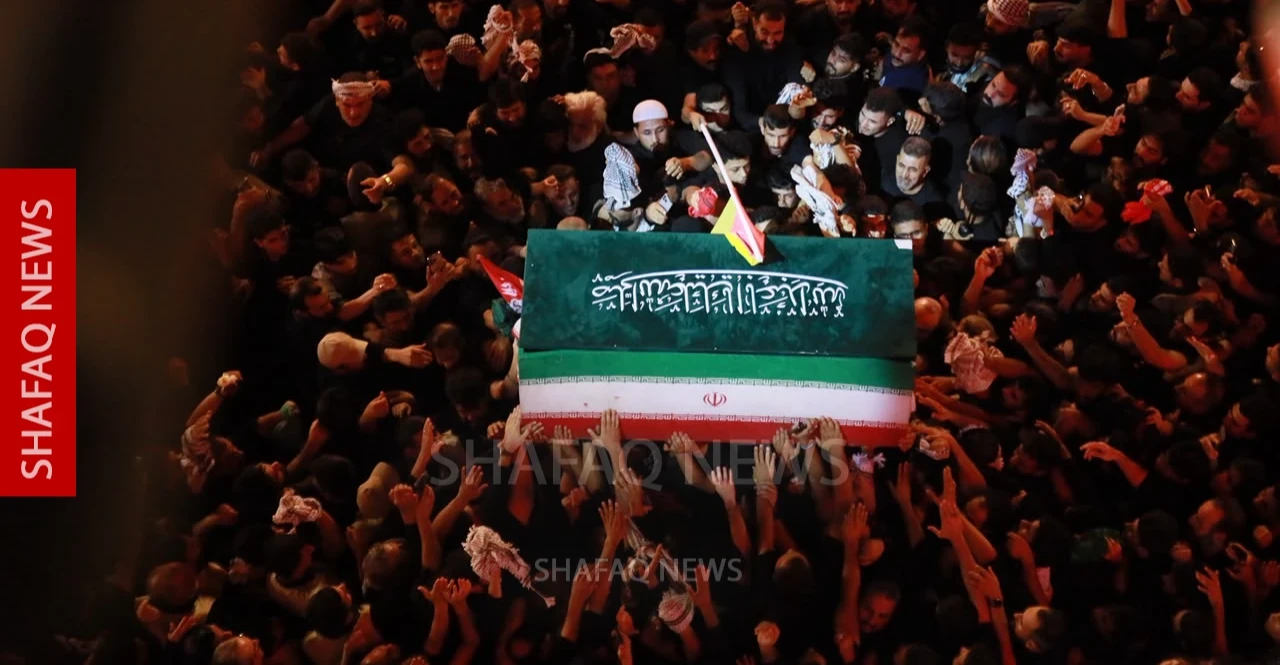
Massive funeral processions held for Iran's late Supreme Leader Ayatollah Ali Khamenei in the Iraqi holy cities of Najaf and Karbala were intended to project continued public support for Iran's leadership to both domestic and international audiences, Iraqi analysts told Shafaq News.
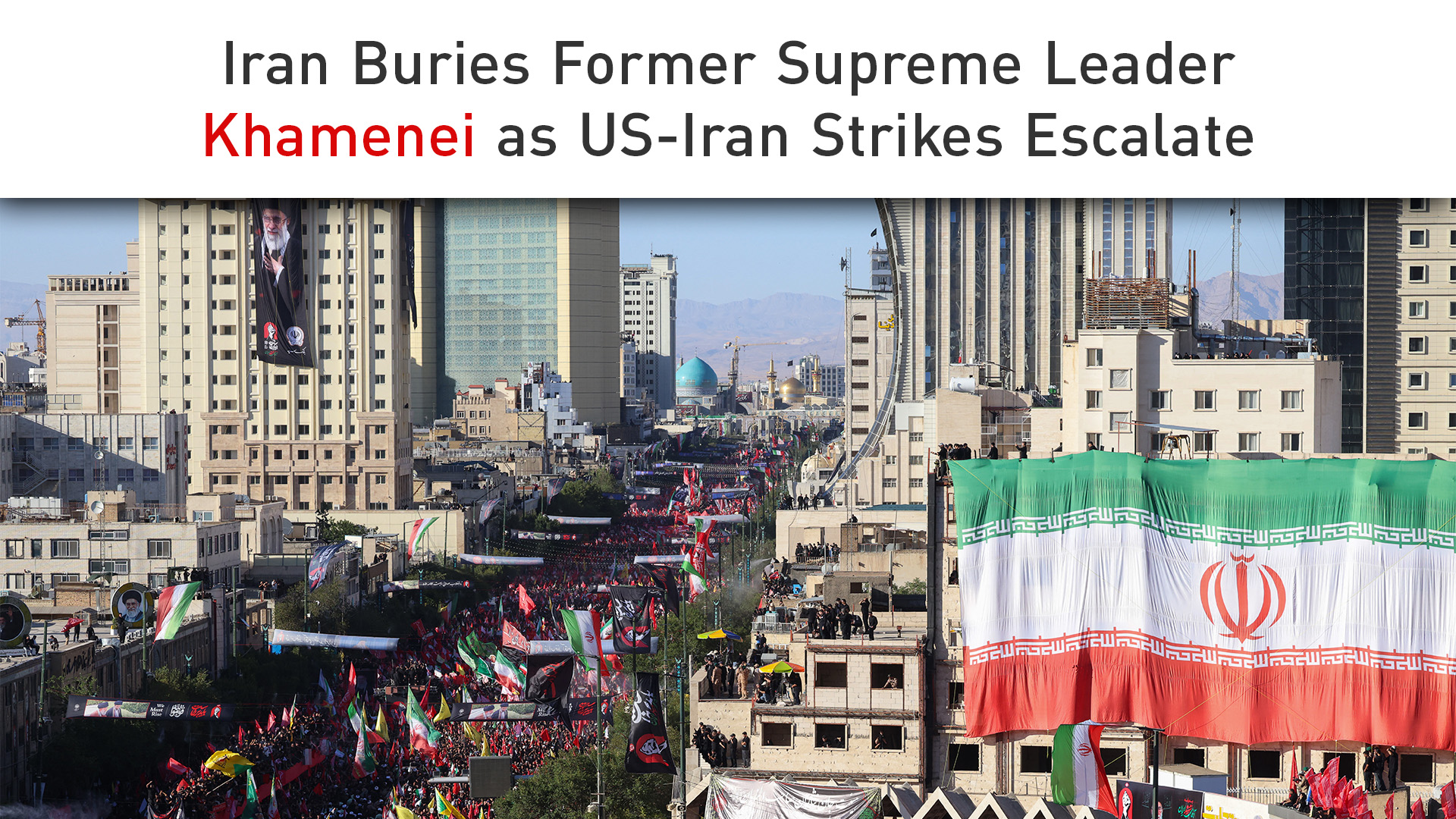
The ceremonies concluded on Wednesday before Khamenei was buried late Thursday at the Imam Reza Holy Shrine in Mashhad, according to Iranian state media. Khamenei, who had led Iran since 1989, was killed on February 28 in US and Israeli strikes.
Iraqi Prime Minister's Office Director Ihsan al-Awadi, who chaired the committee overseeing the funeral arrangements, said on Thursday that preliminary unofficial estimates put attendance at more than 10 million people across the two Iraqi cities.
Kadhim Yawar, a researcher specializing in Iraqi and regional strategic affairs, said Iran's supreme leader occupies both religious and political authority, making the funeral a significant political event as well as a religious one.
Holding the ceremonies in Najaf and Karbala —two of Shiite Islam's holiest cities— was intended to demonstrate that “Iran continues to enjoy support among Shiite communities across the region,” sending a message to the United States, Europe, Gulf states and regional audiences, he said.
Yawar said images of the large crowds also served a domestic purpose by reinforcing the Iranian government's narrative of continued public unity and support for the political system during a period of heightened regional tensions.
He added that the choice of Najaf and Karbala was critical to generating the turnout because of their religious significance and the millions of pilgrims they attract annually, arguing that similar ceremonies elsewhere in Iraq would likely not have drawn comparable crowds.
Yawar also said the dual religious and political nature of the supreme leader's office makes it difficult to separate the two dimensions of the funeral, although he noted there is no precedent in either Sunni or Shiite Islamic jurisprudence for funeral ceremonies of this scale being held months after a person's death.
Islamic researcher Mohammed al-Talqani offered a similar assessment, saying the ceremonies conveyed two principal messages: that Khamenei embodied both political leadership and religious authority, and that the large turnout sought to demonstrate continued public backing for Iran's leadership despite pressure from the United States.