Shafaq News- Baghdad
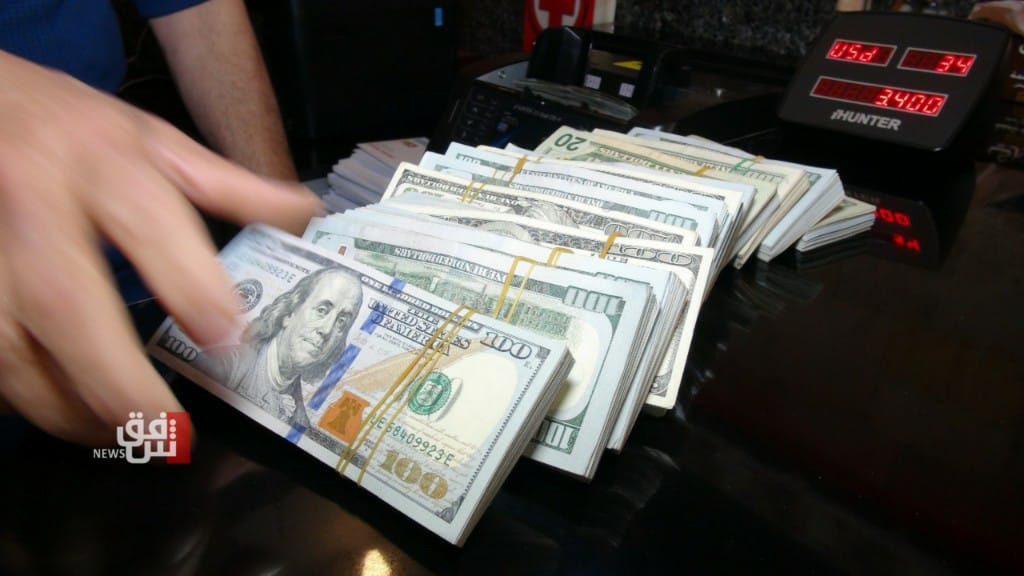
Iraq's foreign currency reserves have fallen 12 percent intwo years and remain at risk of further decline if oil prices drop below $60per barrel, according to experts who spoke to Shafaq News on Tuesday. Thereserves stood at $97.8 billion in late April 2026, down from $111.7 billion atthe end of 2023, driven by the government's heavy dependence on oil revenuesrather than diversified income streams.
Political science professor Najm Abdul Tarish warned that ifoil prices remain between $55 and $60 per barrel, while government spendingstays elevated, Iraq's foreign reserves could come under pressure.
“Funds are unlikely to decline sharply in the near term butcould gradually erode if oil income continues to fall without meaningfuleconomic reforms,” he told Shafaq News, suggesting that protecting themrequires diversifying the economy, increasing non-oil returns, and encouraginginvestment and domestic production rather than relying solely on oil, Tarishargued.
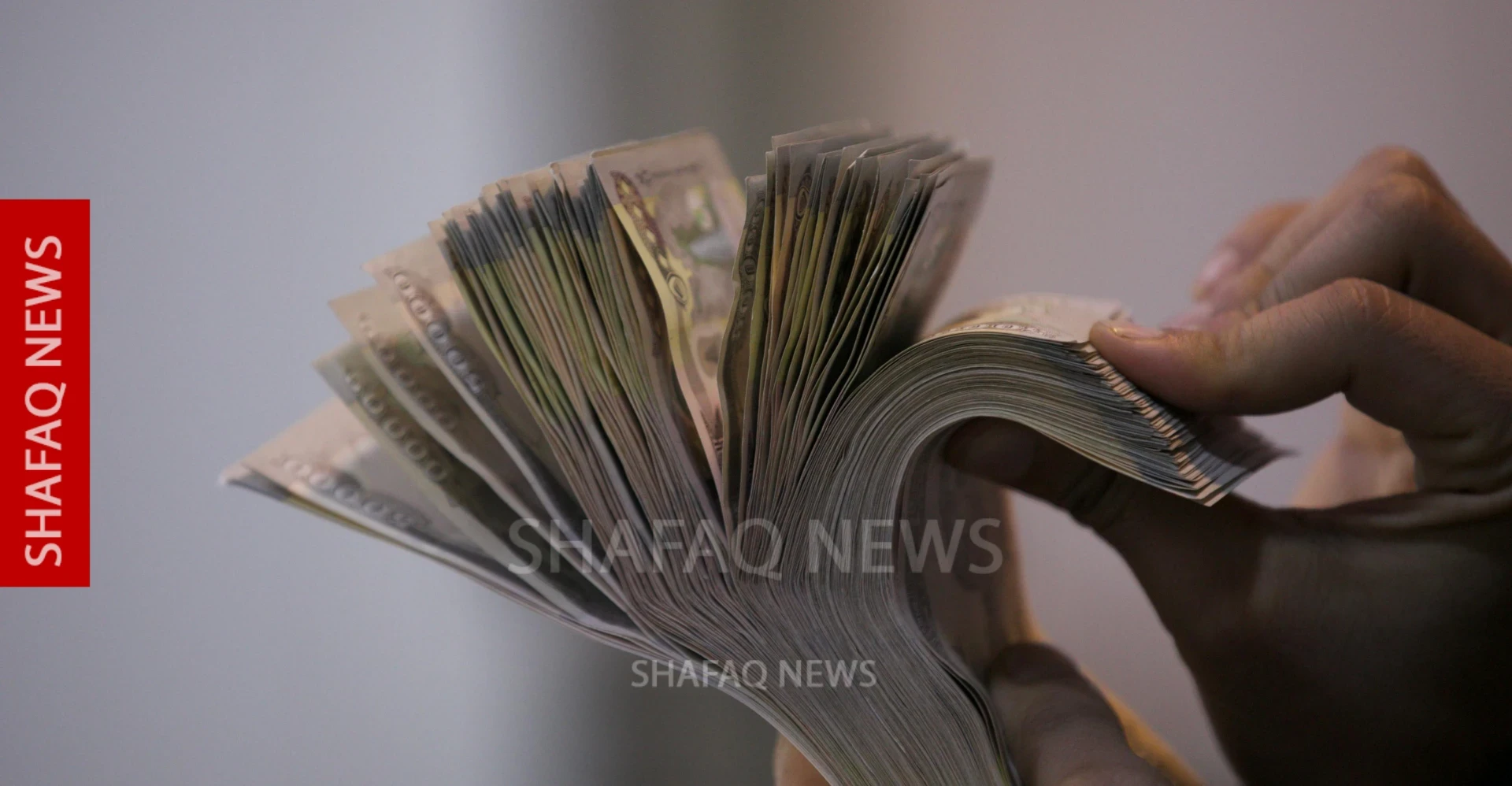
According to former CBI Director General Mahmoud Dagher, theimpact of foreign currency reserves on ordinary Iraqis is indirect, and mostfelt when speculation drives up demand for US dollars or confidence in themarket weakens. He said rumors about the economy or Iraq's oil exports oftenprompt citizens and traders to buy dollars, increasing demand and pushing upexchange rates on the parallel market. Because Iraq relies heavily on imports,any rise in the dollar's value ultimately increases the cost of imported goodsand weakens the purchasing power of the dinar.
Speaking to Shafaq News, expert Mohammed Al-Hassani notedthat the Central Bank of Iraq (CBI) does not use its holdings to finance thestate budget. Instead, the funds are used to maintain monetary stability,support the Iraqi dinar's exchange rate, secure US dollars for imports, andstrengthen investor confidence in the country's economy. He added that part ofthe reserves is invested in safe, highly liquid financial instruments held byinternational institutions to preserve their value and ensure they remainreadily available when needed.
Despite the concerns, the Prime Minister's FinancialAdviser, Mudhir Mohammed Saleh, told Shafaq News that the CBI's foreigncurrency reserves remain within safe levels under international standards,covering about 12 months of Iraq's imports compared with the global benchmarkof three months. “The reserves give the Central Bank significant room tointervene in the foreign exchange market and support the dinar, while notingthat exchange rate stability also depends on oil prices, government revenues,the efficiency of the banking sector, and confidence in the economy.
: Iraqi experts divided on reviving the oil-reliant economy