
Shafaq News- Al-Anbar
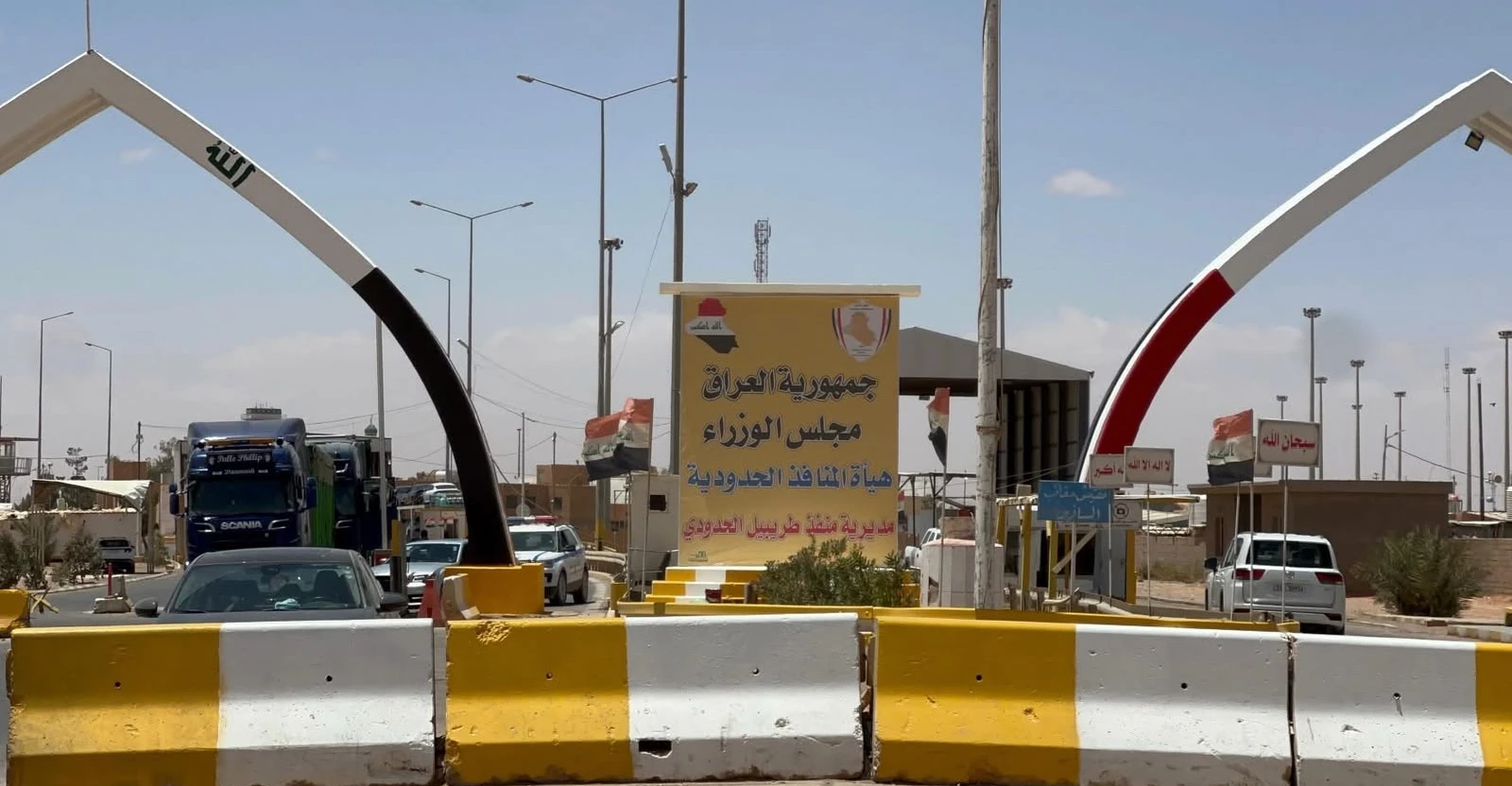
Al-Anbar local government on Saturday renewed its call forthe federal government to release the province's share of border crossingrevenues, saying it has yet to receive any budget allocations this year despitecontributing hundreds of billions of Iraqi dinars to the state treasury.
Moayad Al-Dulaimi, spokesperson for the Al-Anbar provincialgovernment, told Shafaq News that the province's border crossings generatedabout IQD 91 billion (approximately $69.5 million) in revenue for the federalbudget in May alone, with June revenues expected to exceed IQD 100 billion(about $76.3 million).
He clarified that the province's three main border crossingshandled significant trade activity, “with around 3,000 trucks crossing in bothdirections, reflecting a steady increase in commercial traffic.” Despite these revenues, Al-Dulaimi said Al-Anbar has notreceived "a single dinar" from the federal budget since the beginningof the year, resulting in a liquidity shortage and the suspension of severalpublic service and infrastructure projects.
Under Iraq's revenue-sharing mechanism, Al-Anbar is entitledto 50% of the proceeds from its border crossings. Based on May's revenues, theprovince is owed approximately IQD 45 billion (around $34.4 million), while itsexpected share for June is IQD 50 billion (about $38.2 million).
Economic analyst Ahmed Al-Karbouli noted that the province'sborder crossing revenues represent a “key source of funding that couldaccelerate local development if managed efficiently under a clear investmentstrategy.”
He argued that allocating Al-Anbar's share would helprestart stalled infrastructure projects, upgrade roads and bridges, improvewater, electricity, healthcare, and education services, and provide sustainablefunding for municipalities and other essential public services. “Al-Anbar's strategic location as Iraq's western tradegateway gives it the potential to become a regional logistics and commercialhub,” he indicated, highlighting that reinvesting part of the revenues inmodern warehousing facilities, industrial zones, and logistics centers, “wouldstimulate economic activity and create new jobs.”
A stable flow of locally generated revenues would enableprovincial authorities to prepare more realistic budgets, reduce dependence onfederal funding, and improve the investment climate through transparentfinancial oversight and targeted spending on priority projects, Al-Karbouli said.


