Shafaq News- Baghdad
The scars of Baghdad’s Al-Karrada bombing, one of Iraq'sdeadliest terrorist attacks, remain visible a decade after the tragedy, whichkilled more than 300 people and injured 250 others.
The bombing took place on July 3, 2016, during the finaldays of the holy month of Ramadan, when families were shopping ahead of the EidAl-Fitr holiday. A vehicle packed with explosives detonated in the busyAl-Karrada district, targeting three shopping complexes, including Al-LaithMall, igniting massive fires that trapped dozens of people inside stores andsurrounding buildings. The blast also destroyed numerous parked vehicles andbuses, making it one of the deadliest attacks in Iraq since 2003.
ISIS claimed responsibility for the attack. Iraqiauthorities later identified Ghazwan Al-Zawbaei, a senior ISIS commander, asthe operation's mastermind. Security forces arrested him in 2021, and Iraqiauthorities executed him in August 2023 along with two other militantsconvicted over the bombing and other terrorist attacks.
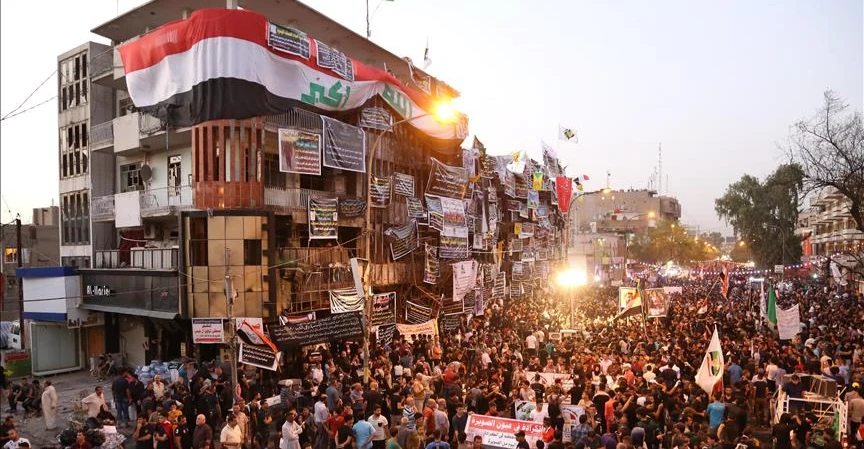
Damaged buildings have since been renovated, and traces ofthe fire erased, the memory of the attack continues to define Al-Karrada. Photographs of the victims still line the district's streets, many of themresidents of the neighborhood, while others had traveled there to shop beforethe holiday. Each year, relatives of the victims gather outside Al-Laith Mall,the site of the deadliest fire, lighting candles and carrying photographs offamily members who lost their lives while preparing to celebrate Eid.
Iraq declared military victory over ISIS in late 2017, thegroup, however, continues to operate through small insurgent cells in remoteareas. In the first half of 2026, the Interior Ministry said security forcesdismantled four ISIS cells, conducted around 80 preemptive operations, andissued 479 arrest warrants under the Anti-Terrorism Law.
: Iraq’s western desert from ISIS hideouts to new security challenges