Shafaq News
Oil prices were steady onFriday and little changed for the week as traders held on to hopes for asuccessful outcome from attempts to secure peace between the United States andIran.
Brent futures were down 4cents, or 0.06%, at $71.76 a barrel by 1132 GMT. West Texas Intermediate wasdown 20 cents, or 0.29%, at $68.49 a barrel.
Over the week, Brent was down0.3% WTI has lost about 1.1%.
U.S. markets will be closed onFriday ahead of the U.S. Independence Day holiday on Saturday.
On Thursday, the two oilbenchmarks hit their lowest levels since before the U.S.-Israeli war on Iranbegan in late February.
Oil prices were under pressureas investor hopes of a full reopening of the Strait of Hormuz were buoyed bypeace talks between the U.S. and Iran, Commerzbank analysts said.
"The U.S.-Irandealmaking process remains fragile but continues for now, as the question ofStrait of Hormuz tolls and administration remains contentious," Citianalysts wrote on Friday.
"We expect the MoU(memorandum of understanding) to hold, not because trust has suddenly emerged,but because the incentives to break are poor for both sides."
Some shipping has resumedthrough the Strait of Hormuz, as called for under the initial U.S.-Iraniandeal, but uncertainty is high after the two countries exchanged strikes lastweekend following an Iranian attack on a cargo ship.
With the prospect of beingable to ship more oil, Gulf producers are working to increase output.
Kuwait's oil production rosesharply to 1.65 million barrels per day in June, from 580,000 bpd in May, asource close to the matter told Reuters on Thursday.
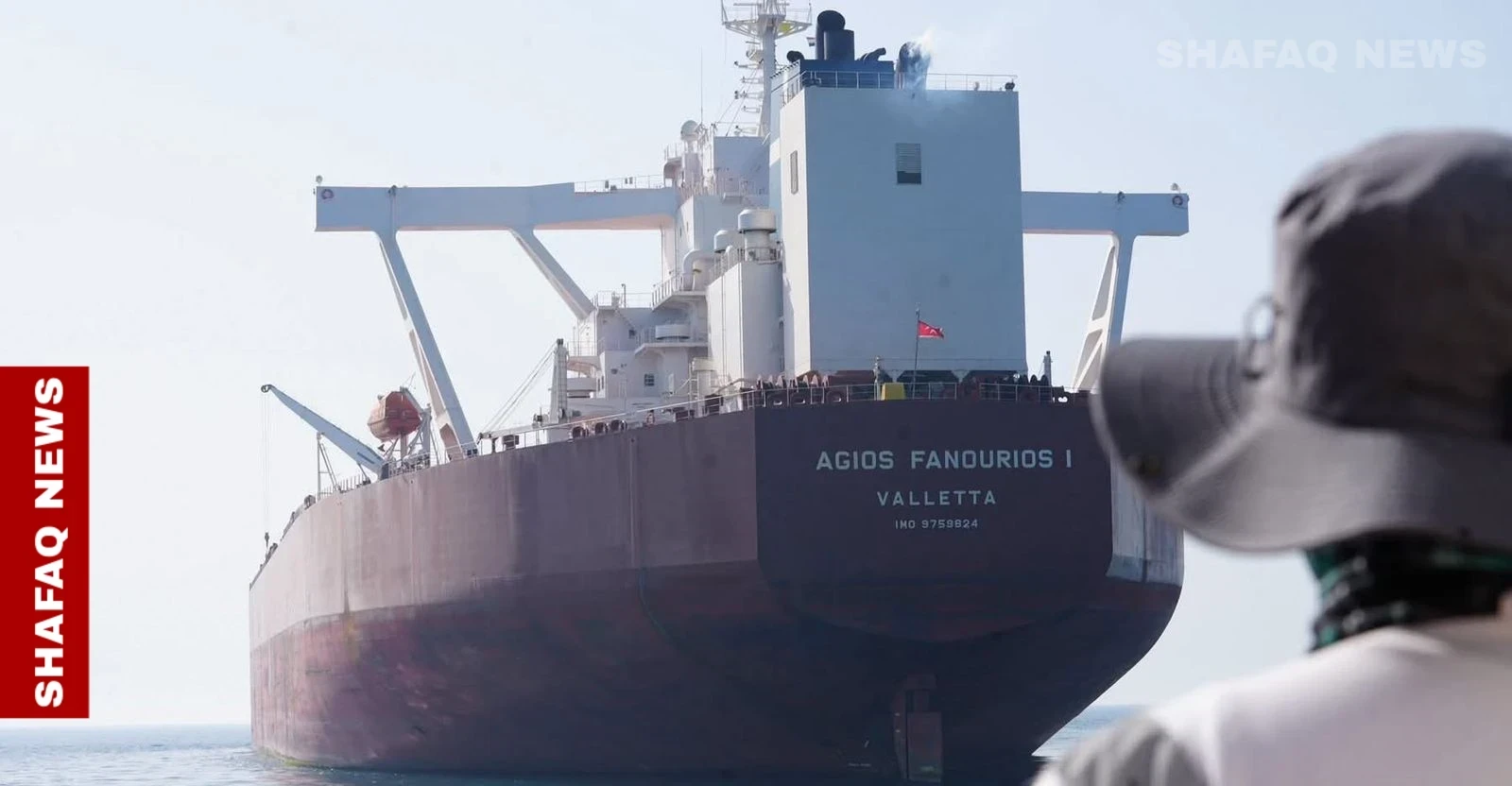
At least five supertankerscarrying a total of 10 million barrels of Saudi oil have left the Strait ofHormuz and Saudi Aramco (2222.SE) has switched to spot pricing from longer-termcontracts to speed sales in Asia, according to trade sources and shipping data.
"A sustained recovery incrude prices is more likely to materialise once the oil currently stranded ontankers and held in storage has been absorbed by the market, and if therecovery in production proves insufficient to offset volumes transiting theStrait of Hormuz," PVM analyst Tamas Varga said.
As the availability ofsupplies grows, the market structure has turned from backwardation tocontango, reflecting decreasing expectation of future shortages.
The spread between front-monthBrent and the six-month forward turned negative on July 1 for the first timethis year.
(Reuters)
Only the headline is edited byShafaq News Agency.