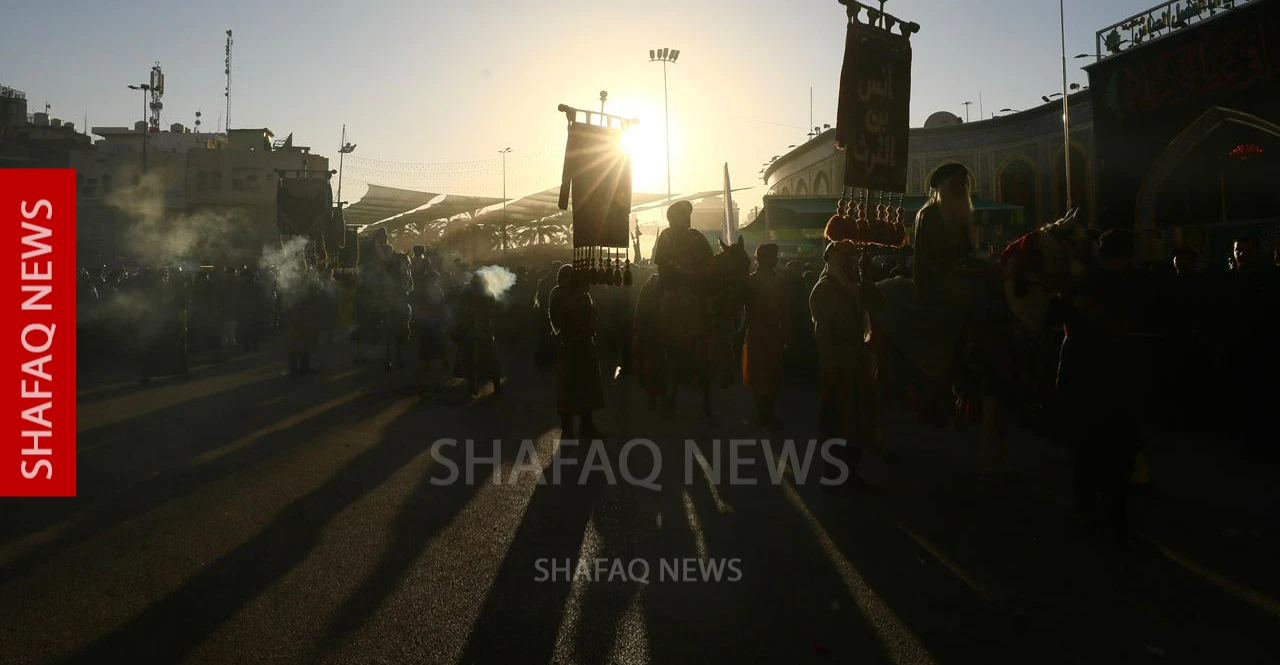
Husseini mawakib, volunteer-run service processions thatprovide pilgrims with food, water, rest areas, and mourning spaces, beganoperating in Karbala and Najaf ahead of Ashura, with millions of pilgrimsexpected in Iraq for one of the largest annual Shiite commemorations.
Service stations, banners, and mourning sites were set upnear roads and shrine routes used by pilgrims walking toward Karbala.
In one event, Mawkib Jumhour Al-Haidariya organized amourning reenactment on Thursday evening, the second day of Muharram, depictingthe arrival of Imam Hussein, his family, companions, and caravan in Karbalathrough symbolic scenes using horses, camels, and traditional clothing.
Ashura, marked on the 10th day of Muharram, the first monthof the Islamic calendar, commemorates the killing of Imam Hussein ibn Ali ibnAbi Taleb, the grandson of Prophet Muhammad, along with his family andcompanions in the Battle of Karbala in 680 CE. In Iraq, the occasion drawslarge crowds from inside the country and abroad, especially to Karbala, whereImam Hussein is buried, and Najaf, home to the shrine of Imam Ali, one ofShiite Islam’s most revered figures.
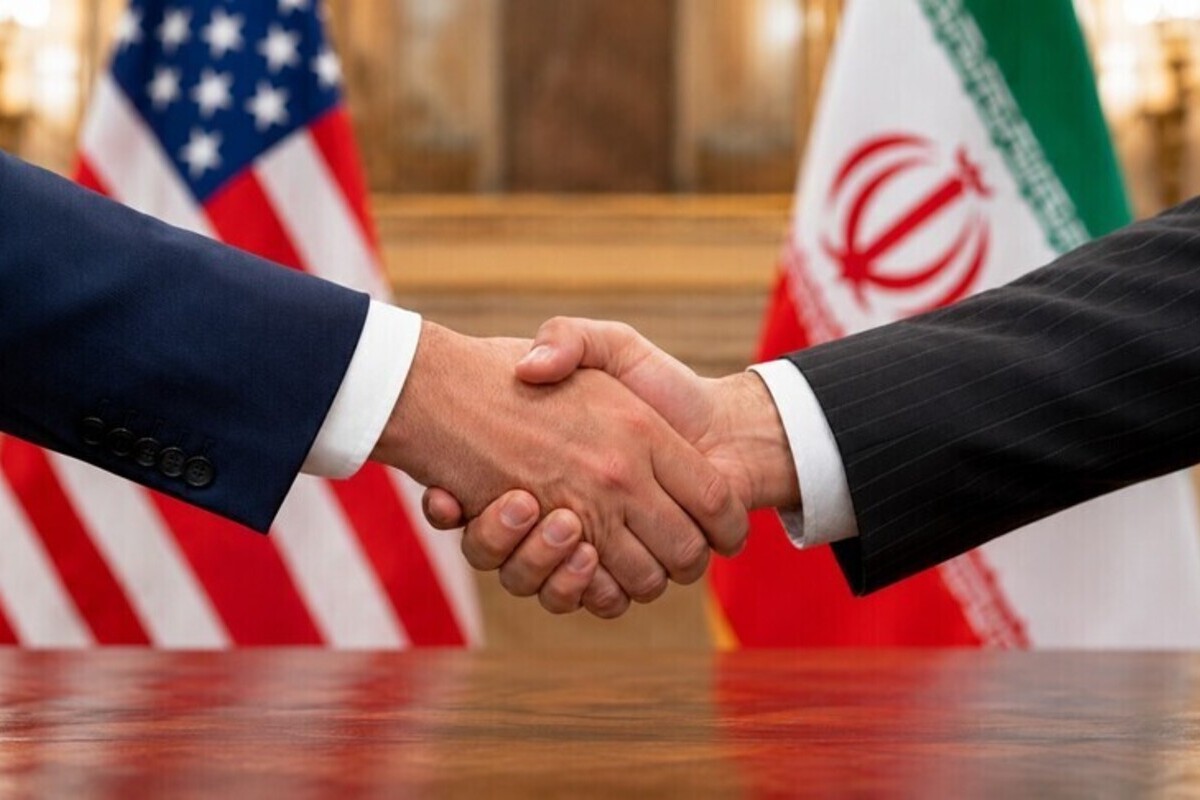
About 250 hotels in Najaf are ready to receive visitorsafter months of weak activity linked to regional tensions, Saeb Abu Ghnaim,head of the Najaf Hotels Association, told Shafaq News. The tourism andHusseini mawkib sectors have begun preparations with Muharram approaching,especially after reports of an end to the Iran-US war.
Hotel operators are also prepared to “reduce profit marginsto encourage foreign pilgrims, particularly Iranians, to return to the holyshrines.”
Preparations for the 10th of Muharram have also enteredtheir final stage in Karbala, provincial council member Mohammed Al-Masouditold Shafaq News. Security, transport, service areas, and coordination with theTransport Authority are ready, and Karbala’s residents, mawakib, and servicebodies will remain mobilized throughout the visit.