Shafaq News- Baghdad
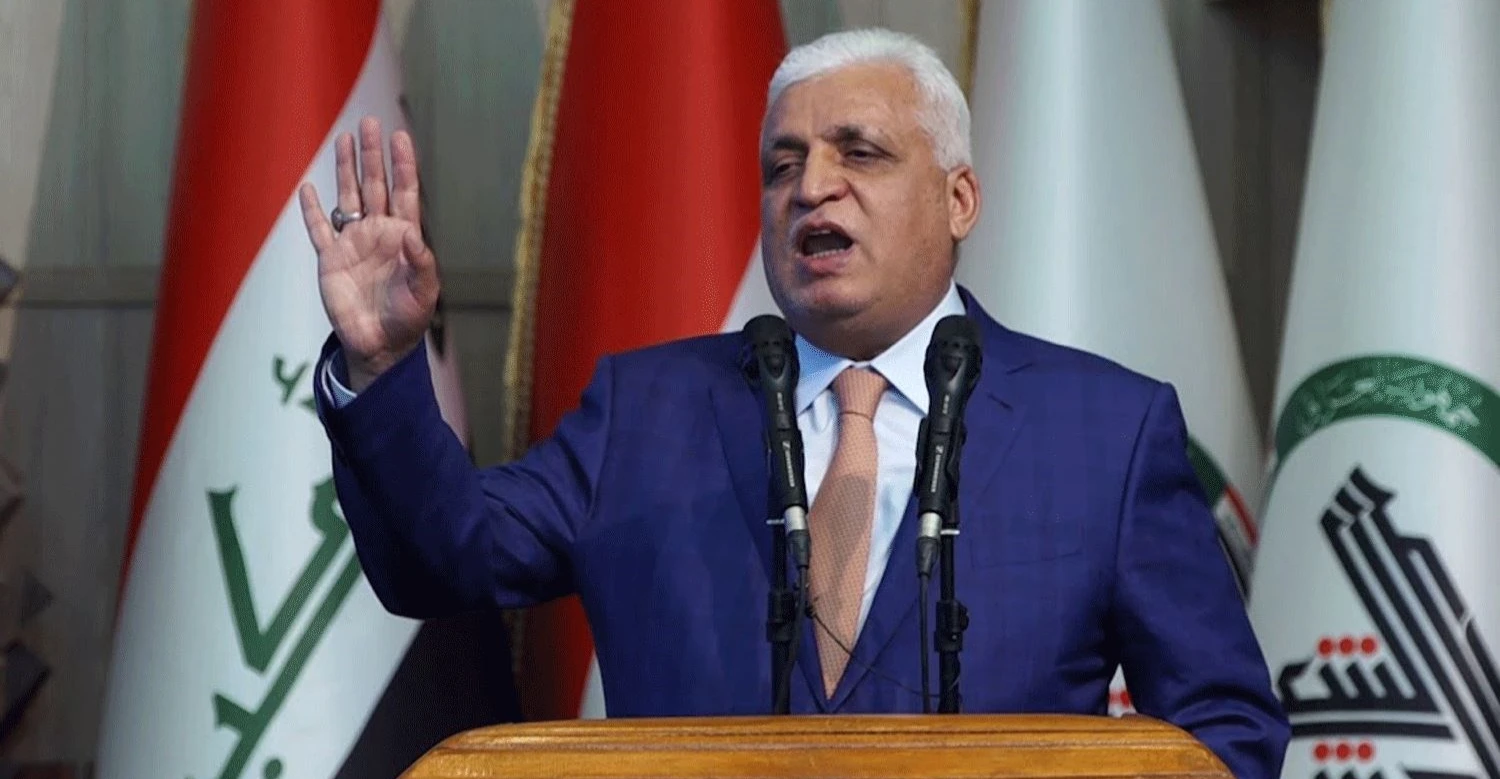
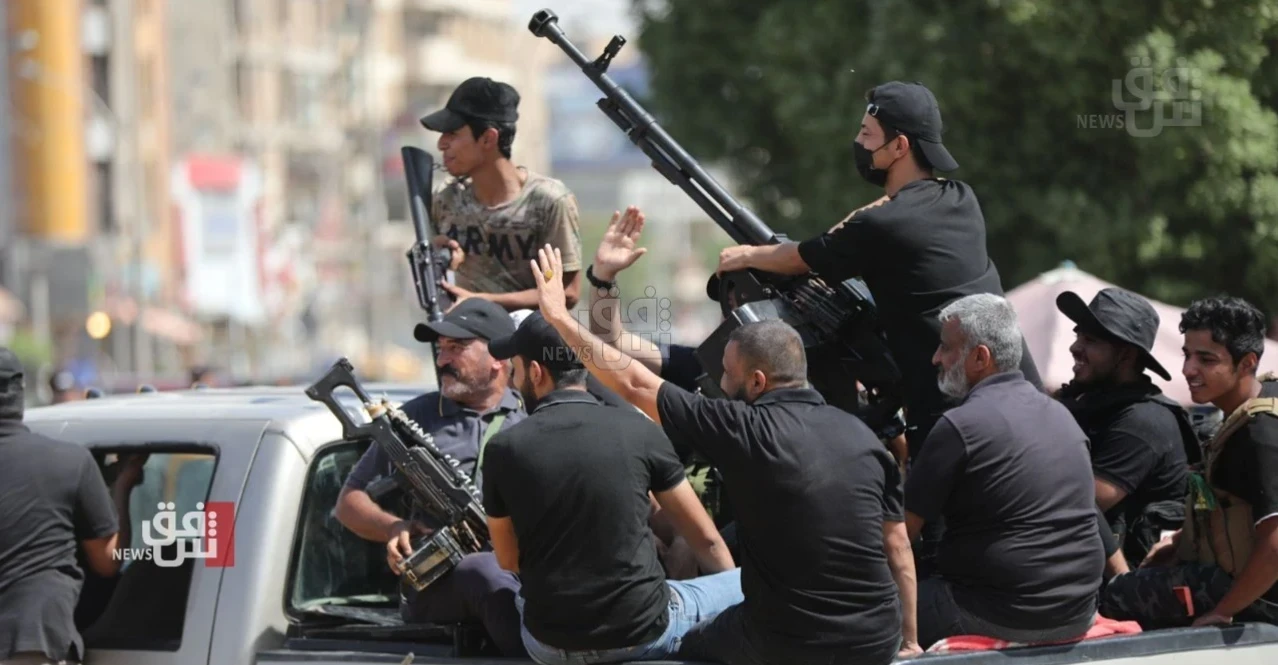
The future of Iraq's armed factions will largely depend onthe outcome of any potential agreement between Iran and the United States,Iraqi lawmaker Mukhtar al-Moussawi remarked on Saturday, as Baghdad intensifiesefforts to bring weapons under state control.
Speaking to Shafaq News, al-Moussawi, a member of parliament'sForeign Relations Committee from the Shiite Badr bloc, led by Hadi Al-Amiri,indicated that Iraq does not have full control over the matter, pointing todivisions within the Popular Mobilization Forces (PMF) —a predominantly Shiiteumbrella force incorporated into the Iraqi state in 2016.
"Some are prepared to hand over weapons or severorganizational ties, while others remain firmly opposed," he explained,describing the current developments as temporary political arrangements.
The issue, he added, could reemerge in a different form oncethe trajectory of US-Iran relations becomes clearer. "If an agreement isreached and signed between both countries, the approach to Iraq's weapons filewill change entirely.”
Earlier this month, Baghdad outlined the first practicalsteps toward integrating armed factions into the state's security framework,beginning with the transfer of facilities and weapons belonging to Sarayaal-Salam of Iraq's Patriotic Shiite Movement (PSM).
The move is part of a broader government effort to placeweapons under state authority, backed by the ruling Shiite CoordinationFramework (CF), which recently endorsed Prime Minister Ali al-Zaidi's plans torestructure relations between armed groups and the state.
Iran-backed armed groups Asaib Ahl al-Haq and Kataib ImamAli have previously introduced measures aimed at reorganizing their forces andaligning them with the government's weapons-control initiative. KataibHezbollah and Ashab al-Kahf, however, have rejected calls for disengagement.
: How the US pushed Iraq's armed factions toward disarmament, and who is still pushing back