Shafaq News- Diyala
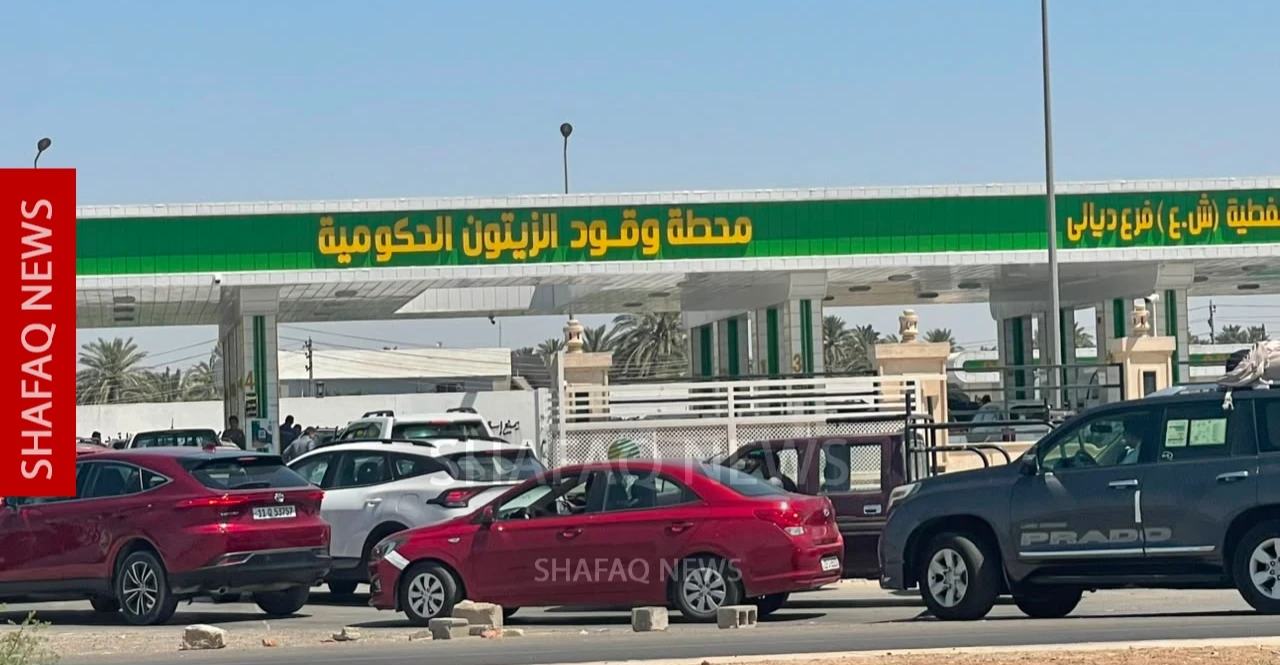
Fuel shortages in eastern Iraq’s Diyala province haveprompted residents and drivers to create large WhatsApp networks that helpmotorists locate gasoline and avoid hours of waiting as queues continue tobuild outside filling stations.
Residents told Shafaq News that members share liveupdates on station conditions, allowing drivers to identify the most accessiblelocations without moving from one area to another in search of fuel.
“The phone has become more important than the caritself these days,” taxi driver Hassan Al-Khalidi remarked. “Finding a stationwith gasoline now depends more on information shared in WhatsApp groups thananything else.”
One group alone, he noted, has more than 1,600 memberswho continuously post updates on fuel availability and traffic conditionsaround filling stations.
Government employee Omar Al-Mahdawi described thenetworks as a “field operations room,” where participants quickly alert oneanother when supplies arrive.
Dozens of vehicles remained lined up outside stationsin Baqubah and Al-Khalis districts, while many motorists relied on their phonesto decide where to refuel. Mohammed Bassem Al-Khazraji toldShafaq News that the crisis continues in Diyala despite official statementsindicating that conditions have improved in Baghdad and other provinces.
“Most privately owned stations in Diyala remainwithout gasoline, while government-run outlets continue to experience heavydemand.”
Civil activist Mustafa Al-Azzawi, meanwhile, arguedthat the popularity of the groups reflects both the depth of the shortage andresidents’ efforts to adapt, while stressing that lasting solutions depend onstable supplies rather than community-driven workarounds.
According to official figures, Diyala has fewer than20 government-run filling stations and more than 140 privately operatedoutlets. The province receives around 1.25 million liters of gasoline per day,though many residents contend that the allocation remains below demand.
On June 4, the Oil Ministry acknowledged a supply gapafter previously denying reports of shortages, attributing the disruption toregional developments and the withdrawal of a foreign company from a keyrefinery project in southern Iraq. It estimated that the setback reducedhigh-octane gasoline supplies by four to five million liters per day.
Current output stands at about 30 million litersdaily, while consumption rose to 34 million liters during Eid Al-Adha and thepilgrimage season. Demand reached a record 35 million liters on June 3,exceeding the previous peak of 32 million liters recorded before recentregional tensions linked to the US-Israeli war on Iran.
: Mechanics link poor gasoline quality to increase in vehicle repairs