Shafaq News- Baghdad
Years of war, sanctions, and economic turmoil have conditioned many Iraqis to stockpile essential goods whenever regional tensions rise, even when the shortages they anticipate never materialize.
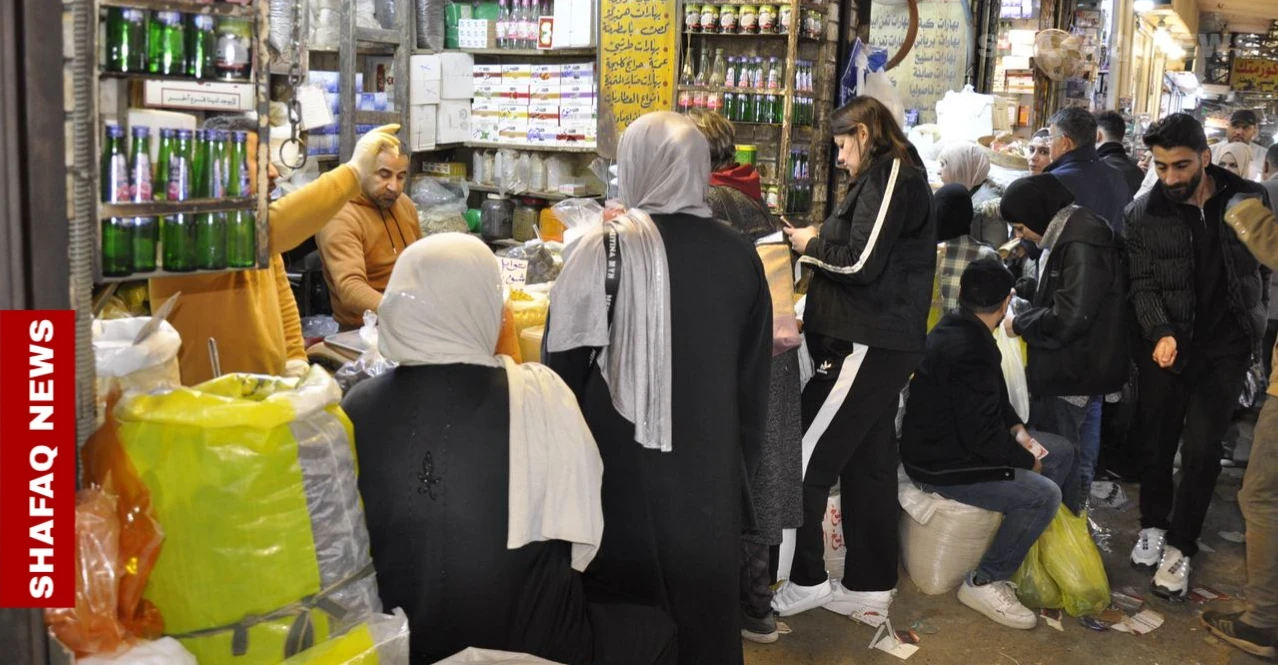
When the latest confrontation between the United States, Israel, and Iran, which began on Feb. 28, raised concerns about trade routes and supply chains, Umm Amer was among those who rushed to buy flour, rice, cooking oil, and other household staples.
“Once the war started and the Strait of Hormuz was closed, we feared food supplies would be affected,” she told Shafaq News. “We bought large quantities of … anything that could be stored for a long time.”
The disruption she expected never occurred. Instead, some of the flour spoiled and insects infested part of the rice she had stored.
The same instinct surfaced during a recent fuel shortage that briefly affected Baghdad and other cities. Ali Saleh al-Saadi purchased fuel from the black market and filled every vehicle owned by his family despite official assurances that supplies would soon stabilize. Memories of previous shortages and sharp price increases, he said, continue to shape public behavior during periods of uncertainty.
: Gasoline shortage revives Baghdad's black market
“When a crisis emerges, the brain interprets it as a potential danger and activates an early warning response,” psychologist Manahil al-Salih told Shafaq News, attributing the phenomenon to a survival response sparked by perceived threats.
Clarifying that purchasing essential goods often gives people a sense of preparedness during periods of instability, she noted that similar patterns have appeared during wars, natural disasters, and the COVID-19 pandemic, but argued that Iraq’s experience with recurring economic and service-related crises has made the behavior particularly persistent.
Sociologist Karim al-Azraqi, meanwhile, focused on how the phenomenon spreads through communities, explaining to Shafaq News that unusually large purchases by some households often encourage others to follow suit. “When people see others buying in bulk, they begin to worry about availability and adjust their own behavior accordingly … That is how individual decisions can quickly develop into a broader social trend.”
: Iraqis rush to stock food and medicine as regional war fears grow