ShafaqNews
Brent oilprices jumped more than $3 a barrel on Monday, initially spooked by Israel'slaunch of renewed strikes on Lebanon a day earlier, but also gaining furthersteam after sounds of explosions were heard in Iran.
Sounds ofblasts were heard - in Tehran, Tabriz and Isfahan, local media reported earlyon Monday, eroding hopes for an imminent end to the wider war and a restart tocrude flows through the Strait of Hormuz.
Brentcrude futures rose $3.20 or 3.39% to $96.24 a barrel while U.S. crude futures wereup $2.87 or 3.17% at $93.41 per barrel as of 0333 GMT.
Thosegains erased Friday's losses, when prices fell on hopes of a de-escalation inthe U.S.-Iran conflict, which has seen oil prices rise over 50% since March.
ThoughIran on Sunday fired a salvo of missiles at Israeli targets in retaliation,U.S. President Donald Trump insisted that an agreement to end the wider warremains well within reach.
Trumpalso reportedly told Israeli Prime Minister Benjamin Netanyahu to refrain fromfurther attacks.
"It’snot going to have any impact on the deal," Trump told the Financial Times."I call the shots. I call all the shots. He doesn’t call the shots."
Iran hasmade a ceasefire with Lebanon a condition for a peace deal with Washington.
Israelinvaded Lebanon in March after Iran-backed Hezbollah fired rockets and dronesacross the border. Lebanon and Israel said on June 3 that they had agreed to aceasefire following negotiations in Washington.
The twocountries had previously agreed to a cessation of hostilities in April butviolence continued.
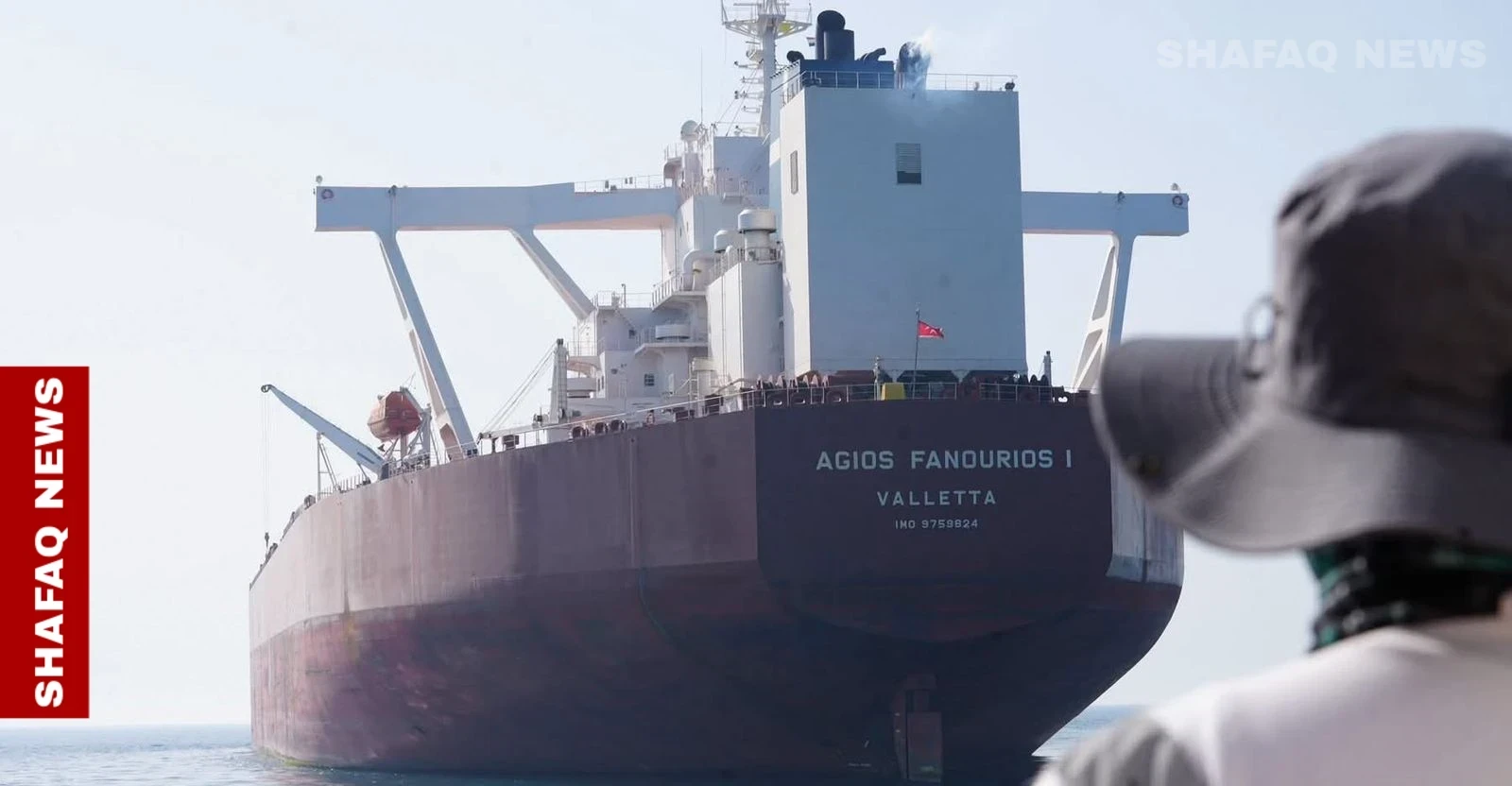
The widerwar has been stalemated since the U.S. and Israel paused their attacks on Iranin early April, with Tehran blocking most shipping through the Strait ofHormuz, the main transit route for one-fifth of the world's oil. Washington hasimposed its own blockade of Iranian ports.
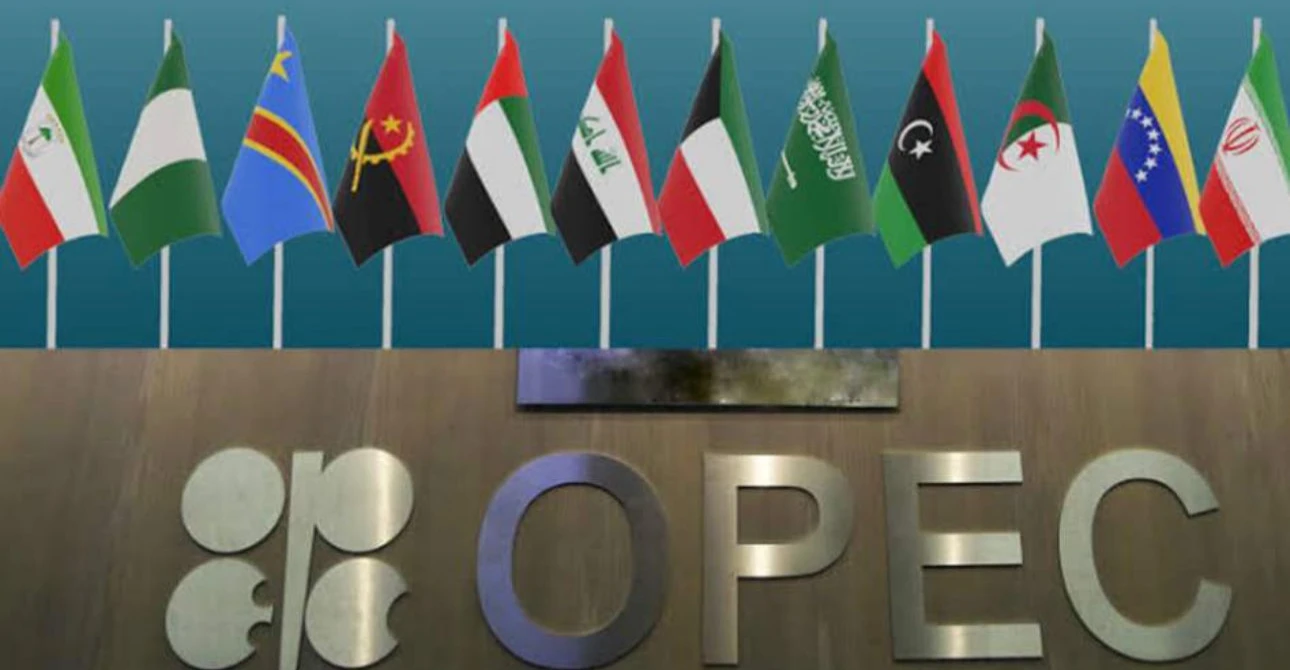
Amid theresulting supply crisis, OPEC+ on Sunday agreed its fourth increase in oiloutput in four months. But analysts said the decision would have little impactsince most OPEC+ members could not meet their output targets because of theHormuz closure or, in the case of Russia, infrastructure attacks that haveeroded its production capacity.
"Inthe current market, the physical impact of such a decision would be close tozero," Rystad Energy's head of geopolitical analysis, Jorge Leon, said ina note to clients.
(REUTERS)
Only theheadline is edited by Shafaq News.