Shafaq News- Baghdad
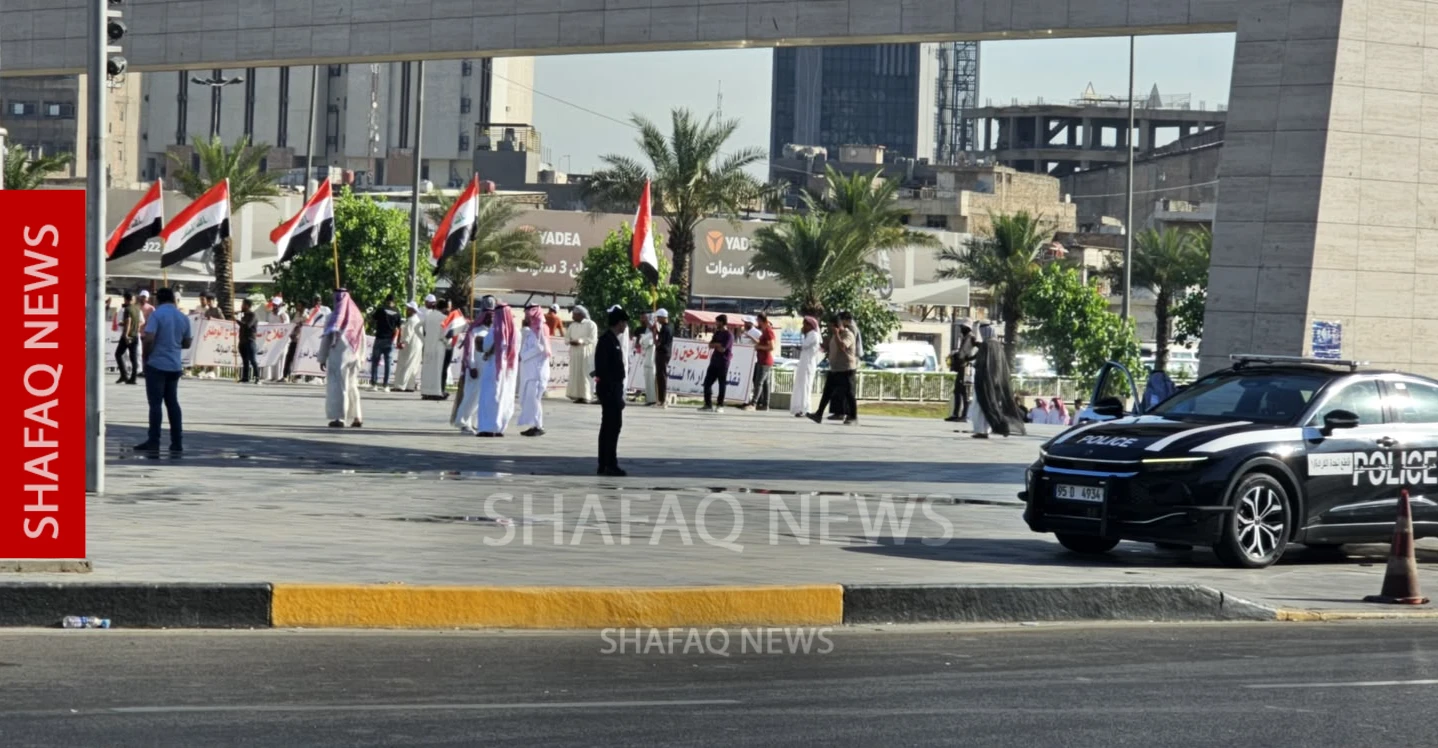
Iraqi security forces sealed off Tahrir Square and the al-JumhuriyahBridge in central Baghdad on Monday, deploying ground units and closing thebridge in both directions as protesters prepared to gather for the second timein five weeks over unpaid crop revenues.
Shafaq News correspondent reported that the General Directorate ofTraffic directed motorists temporarily to alternative routes.
The demonstration targets a debt the Iraqi state owes its own foodproducers. Iraq operates one of the world's largest government-run grainprocurement systems, buying wheat directly from farmers at fixed state pricesand distributing subsidized flour to nearly every household in the countrythrough a national ration card program established during the sanctions era ofthe 1990s. The federal government allocated roughly 5.8 trillion Iraqi dinars (about$4.4 billion) for wheat procurement during the 2024 season alone. Farmersdeliver their harvests to state warehouses, receive official receipts, and thenwait, sometimes for months, to be paid.
: Iraq's farmers fed the state. Now they're waiting to be paid.
In recent weeks, farmers from Najaf, Karbala, Al-Diwaniyah, and Babil —provincesthat form the core of Iraq's central grain-producing belt— traveled to Baghdadto demonstrate publicly, calling for overdue payments, upward revision of wheatpurchase prices, and compensation for crop losses caused by flooding anddrought.
On May 3, security forces dispersed the protest using water hoses andelectric stun devices, leaving at least 17 people injured, according to theGeneral Federation of Agricultural Cooperative Associations. Caretaker PrimeMinister Mohammed Shia Al-Sudani said at the time that he was followingdevelopments and directed authorities to investigate thesecurity forces' conduct.
Finance Minister Faleh Al-Sari announced that farmer dues wouldbe released following completion of the required financial processing, withdisbursements to reach eligible recipients across all provinces. The cabinethad previously approved settlements for the 2024-2025 and 2025-2026agricultural seasons and raised wheat procurement prices to 700,000 dinars (about$535) per ton for crops covered under the national agricultural plan.
The new protest comes days after Iraq's Ministries of Agriculture andWater Resources approved the 2026 summer agricultural plan, which designatescultivation areas for rice, yellow corn, and vegetables, and continues to relyon modern irrigation techniques to address chronic water shortages.
: Iraq’s wheat fields no longer guarantee bread