Shafaq News
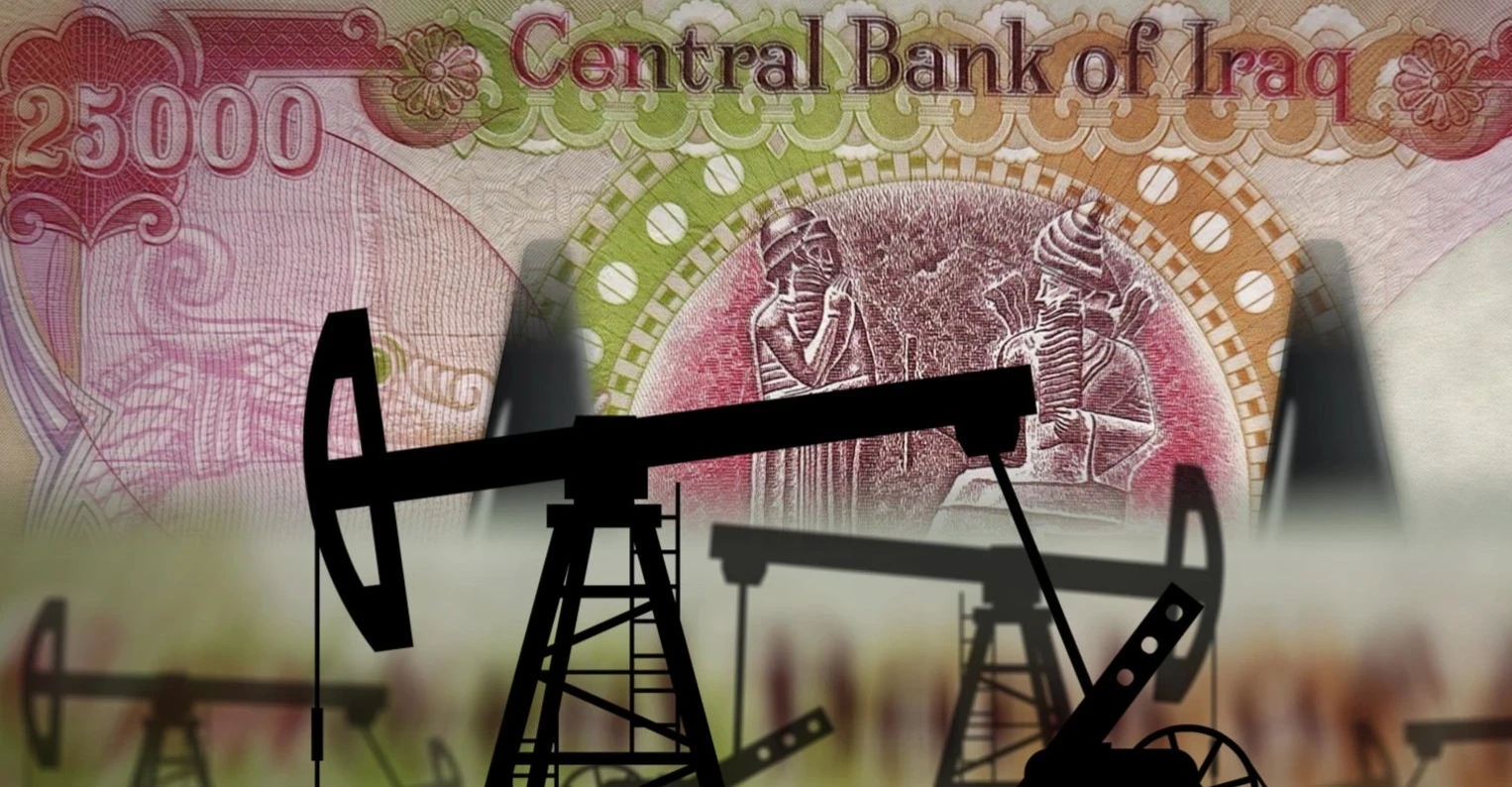
Iraq enteredits 16th consecutive month without approving a federal budget while more than4,500 projects remain suspended across the country, exposing widening strainson public finances, investment planning, and essential services.
The stalledprojects include hospitals, schools, bridges, tunnels, water networks, andsewage infrastructure, some frozen since 2014, according to parliamentaryServices Committee member Safaa al-Jabri, who warned that delays areincreasingly affecting critical sectors such as healthcare and education. “Thecurrent situation requires urgent intervention,” al-Jabri told Shafaq News,calling for a “realistic” 2027 budget focused primarily on unfinished andservice-related projects rather than “traditional expenditure-based budgeting.”
The prolongeddelay has left Iraq operating without a formally approved federal budget sincethe expiration of the country’s three-year budget cycle for 2023–2025, pushingstate institutions deeper into temporary financing mechanisms and limiting the government’sability to launch new investments.
Under Iraqilaw, the government was required to submit the 2025 budget schedules toparliament before the end of 2024. Yet from January 2025 through May 2026,lawmakers neither voted on nor formally ratified the budget tables, leavingministries and provinces dependent on restricted spending allocations carriedover from previous fiscal periods.
: Iraq’s budget: political fiscal gaps threaten national stability in 2025
PrimeMinister’s economic adviser Mudhir Mohammed Saleh said Iraq had effectivelyexited the three-year budget cycle at the end of December 2025 and was nowoperating under the Financial Management Law No. 6 of 2019. That mechanismallows spending based on the “1/12 rule,” enabling the government to financesalaries and operational expenses through monthly allocations equivalent toone-twelfth of previous annual expenditures.
Saleh toldShafaq News that the arrangement has so far prevented a complete financialbreakdown by allowing the continuation of salaries, basic operational spending,and funding for projects already close to completion. However, he stressed thatthe system blocks the launch of new strategic or investment projects withoutparliamentary approval of a new federal budget. “The budget is no longer just atechnical financial instrument; it has become a tool for economic stability andabsorbing external shocks.” He linked the growing fiscal pressure to escalatinggeopolitical risks in the Gulf, particularly fears surrounding maritime tradedisruptions and what he described as the “Hormuz shock,” referring to threatsfacing oil exports through the Strait of Hormuz.
The politicaldeadlock surrounding the budget also remains unresolved. Finance Committeemember Rebar Karim told Shafaq News that passing the 2026 federal budgetdepends on the formation of the next government and the submission of itsprogram to parliament.
Karim said thecommittee was prepared to review and approve the budget “within a shorttimeframe” once the government submits the draft law, adding that parliamenthad received assurances there was currently no liquidity crisis and thatpublic-sector salaries remained secured for the coming months.
Economic andfinancial expert Safwan Qusay argued that the crisis extends beyond proceduraldelays in passing a budget and instead reflects broader vulnerabilities inIraq’s economic model. “The real challenge is declining oil revenues and thestate’s diminishing ability to finance operational spending,” Qusay told ShafaqNews.
He called forexpanding partnerships with the private sector to reduce pressure on the publicpayroll system, proposing that some government-run sectors shift toward privateoperation models while maintaining state ownership. Qusay also urged Iraq todiversify its export routes away from excessive reliance on Gulf shippingcorridors, pointing to alternative outlets through Aqaba, Baniyas, and Ceyhan,alongside expanded land transport options.
: What does Iraq's new government promise? A guide to Ali Al-Zaidi's ministerial program
The warningscome amid escalating Gulf tensions and growing fears over disruptions to oilflows through the Strait of Hormuz, which carries around 20% of global oilsupplies.
Qusay alsowarned that weak non-oil exports and heavy import dependence continue topressure Iraq’s foreign currency reserves and exchange-rate stability, callingfor closer coordination between fiscal and monetary policy.
The absence ofa budget has also intensified concerns over employment and recruitment, withministries unable to move forward on large-scale hiring or development plansunder temporary spending rules.
The debatecomes as Prime Minister Ali al-Zaidi’s government attempts to frame itsupcoming fiscal agenda around economic reform, diversification of staterevenues, and reduced dependence on oil income. Al-Zaidi has recently pledgedthat the next budget will prioritize productive and service-oriented projects whiletightening spending controls, combating corruption, and expanding jobopportunities.
: Liquidity shortage delays Iraqi salaries: Experts warn of prolonged financial strain
Written and edited by Shafaq News staff.