Shafaq News- Baghdad
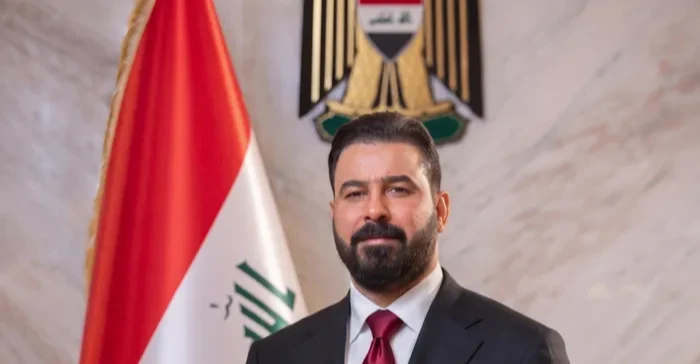
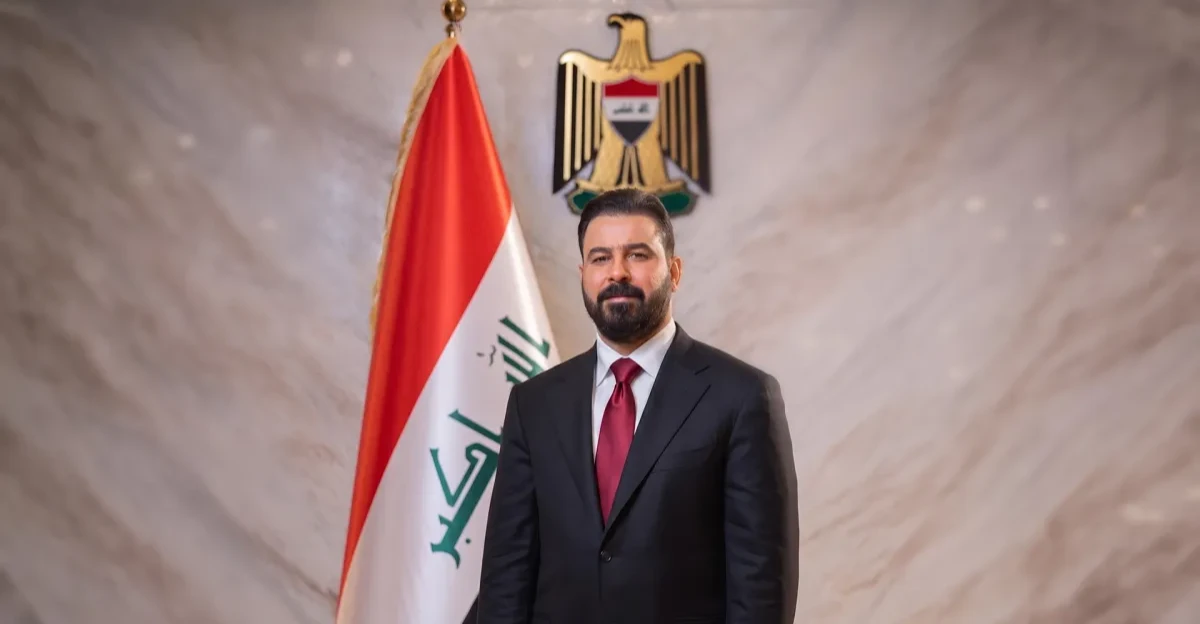
Political blocs have yet to formallysubmit ministerial nominees to Prime Minister-designate Ali al-Zaidi,independent politician Abu Mithaq al-Masari told Shafaq News on Friday, a dayafter al-Zaidi submitted the new government’s ministerial program toParliament.
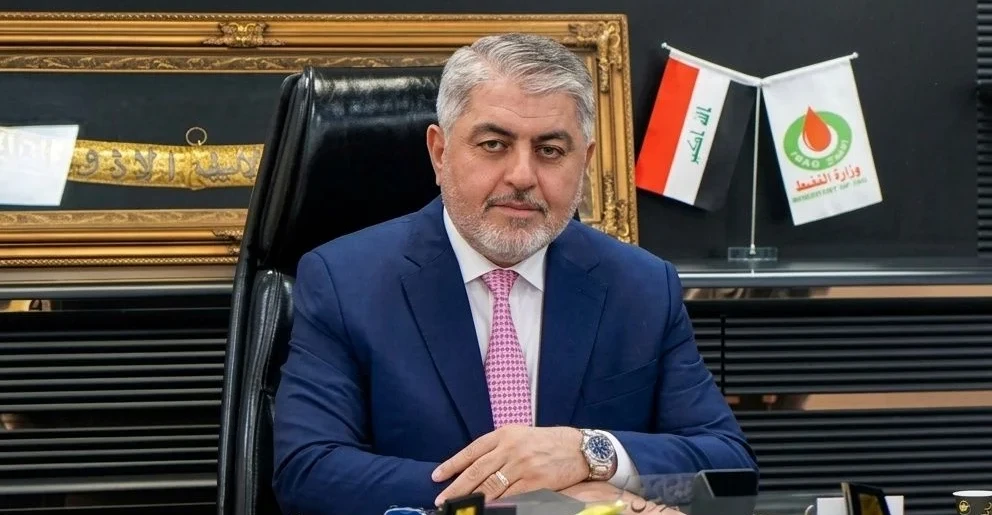
Al-Masari, a figure close to the ShiiteCoordination Framework (CF), Iraq’s largest parliamentary bloc, describedthe current phase as “one of the most ambiguous government formation periodssince 2006.”
According to al-Masari, the cabinetunder discussion may largely resemble the previous government, with around 23ministers and no major structural changes, while al-Zaidi continues to favorbroad consultations over direct negotiations on ministerial names or portfolioallocations among political and sectarian components.
“Political blocs have not been askedto submit candidates or provide preliminary views on potential appointments,” heexplained.
That approach, he noted, wasreflected in al-Zaidi’s recent meetings in the Kurdistan Region —where hestressed the need to accelerate the formation of a “competent nationalgovernment” capable of representing all components of Iraqi society— followedby the return of Kurdish officials to Baghdad without direct nominations beingadvanced.
: The mediator in the room: President Barzani comes to Baghdad with more than Erbil's demands
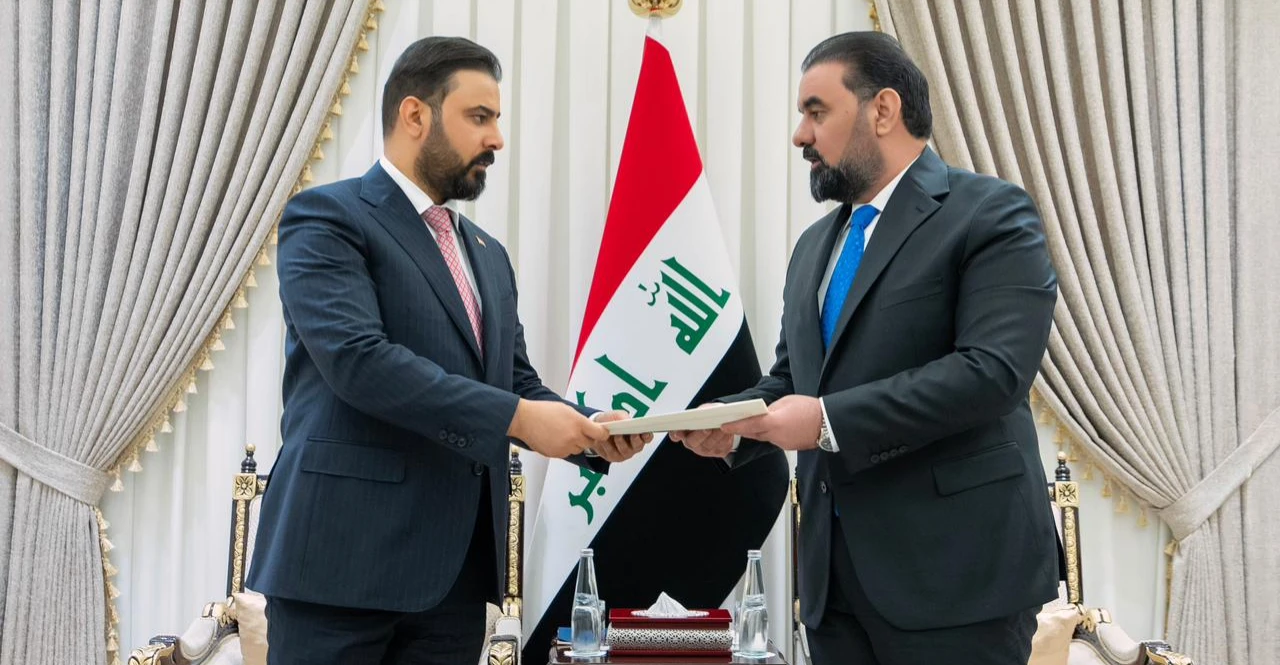
On Thursday, al-Zaidi formallysubmitted the government’s 14-point ministerial program to Parliament Speaker Haibetal-Halbousi ahead of a parliamentary session expected to vote on the cabinetearly next week. The program outlines priorities ranging from state sovereigntyand national security to economic and financial reform, foreign policy, andissues related to human rights, women, and children.
Negotiations over ministries arecontinuing under a “points” system tied to parliamentary representation, inwhich blocs require at least 10 seats to secure service ministries and morethan 15 seats for sovereign portfolios. Cabinet posts in Iraq are traditionallydistributed through political agreements under the muhasasa system, a post-2003power-sharing arrangement among the country’s major political and ethnicgroups.