Shafaq News
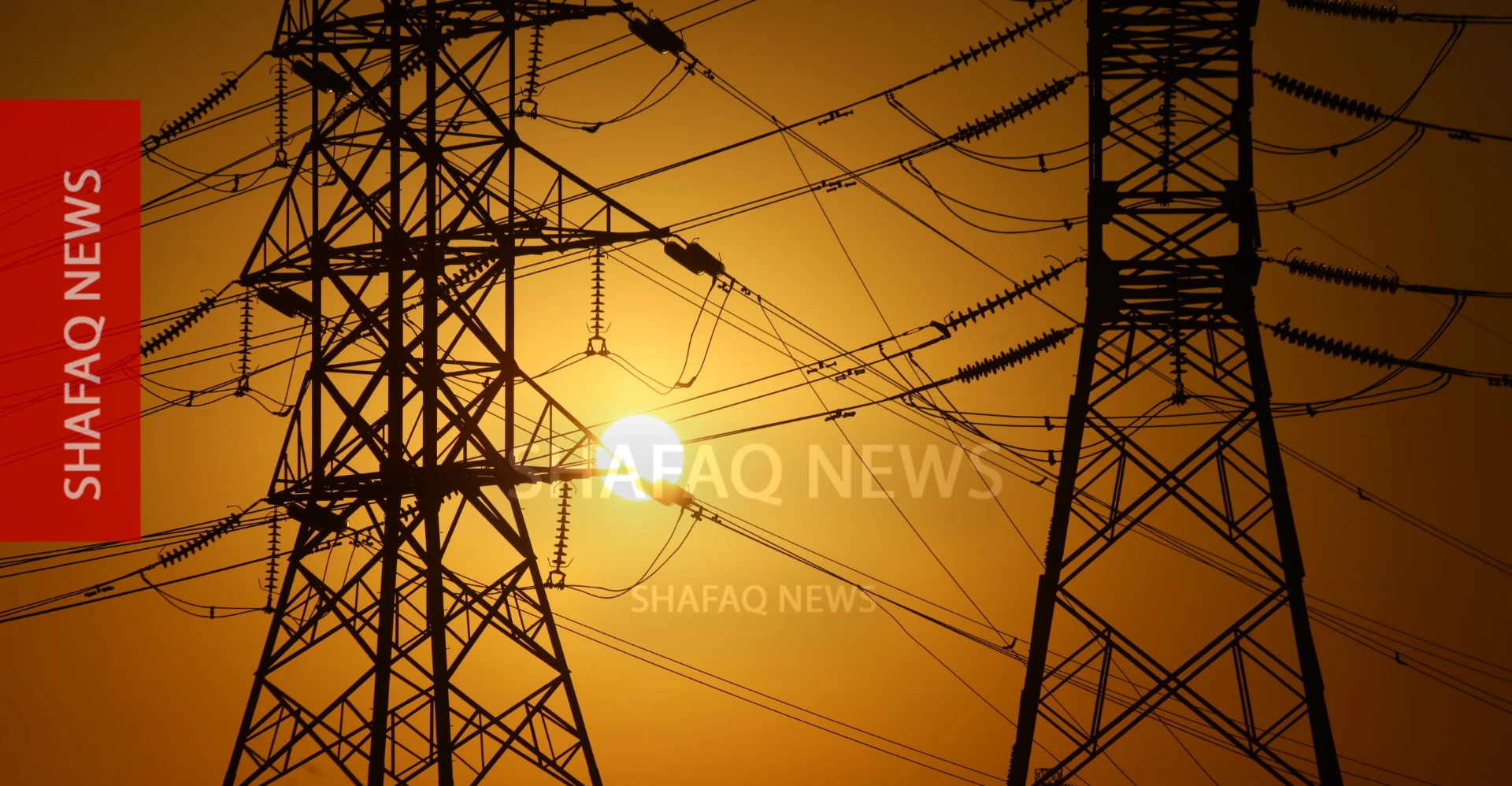
Iraq is facing its most severe electricity crisis in yearsas summer approaches, a convergence of war, sanctions, fiscal collapse, anddecades of structural failure that has simultaneously stripped Baghdad of itsprimary fuel source, drained the revenues needed to replace it, and leftcontingency projects unfinished as temperatures begin to climb toward 50degrees Celsius.
The scale of the shortfall is staggering even by Iraq'sstandards. The country is expected to face peak demand of roughly 40 gigawattsthis summer, compared with current production of approximately 29 gigawatts, accordingto data from the Washington-based Attaqa energy platform. In previous years,that gap was partly bridged by Iranian gas and electricity imports, but thishas largely collapsed because two decades of deferred investment and governancefailure left Iraq with no buffers when it did.
What makes the 2026 crisis structurally different from thosethat preceded it —in a country that has lived with chronic undersupply for twodecades— is the simultaneous collapse of the mechanisms Baghdad relied on tomanage it. Iranian gas flows, which underpinned nearly a third of Iraq'selectricity generation, have been severely disrupted by the war. And the oilrevenues that would ordinarily finance alternative energy arrangements remainunder sustained American pressure: Washington retains significant leverage overIraqi oil revenues, and has repeatedly threatened to restrict access unlessBaghdad moves decisively to curtail the Iran-aligned armed factions that aredeeply embedded in Iraqi political life. That leverage has not disappeared withthe war, as Iraq finds itself simultaneously losing its primary fuel source andunable to fully mobilize the fiscal resources needed to replace it.
: In darkening Baghdad, oil lamps return as power fears grow
A Supply Line Built On A Fault Line
For years, Iraq has depended on Iranian natural gas to fuelthe thermal power stations that generate the majority of its electricity. Atpeak supply, Iran was delivering around 30 million cubic meters of gas per day,enough to support nearly a third of Iraq's power generation capacity.
The arrangement required the United States to issue periodicsanctions waivers exempting Baghdad from penalties for purchasing Iranianenergy, and Washington used those waivers as leverage, repeatedly urging Iraqto reduce its dependency while renewing the exemptions under politicalpressure.
The Trump administration ended that ambiguity when the USsanctions waiver expired on March 8, 2025, cutting Iraq off from Iranianelectricity imports and placing its gas purchases under increasing pressure. Iranian gas flows dropped by roughly 40 percent between April and August 2025as sanctions enforcement tightened. Baghdad scrambled to negotiatealternatives, a Turkmenistan gas swap, floating LNG terminals in the south,accelerated interconnections with Turkey, Jordan, and the Gulf CooperationCouncil, but each initiative moved more slowly than the crisis demanded.
Then, following strikes by the US and Israeli forces on Iranon February 28, 2026, the crisis entered a new phase. Reported strikes oninfrastructure connected to Iran's South Pars gas field —the world's largest—caused an abrupt halt in gas flows to Iraq, knocking more than 3,000 megawattsoff the national grid almost overnight. Partial flows later resumed, but thecurrent supply has since fallen again.
Ahmed Moussa, spokesperson for Iraq's Ministry ofElectricity, told Shafaq News that gas imports now stand at roughly 5 millioncubic meters per day, barely one-sixth of the 30 million cubic meters Iraqrequires.
: The end of a waiver: Iraq's struggle for energy independence
The Fiscal Floor Disappears
The war has a dual effect: it damages Iraq's fuel supply anddestroys the financial capacity to replace it. Since the Strait of Hormuzclosure on February 28, Iraq's oil export revenues have dropped by nearly 90percent, according to the Attaqa platform's reporting. For a country where oilaccounts for roughly 90 percent of state income, this collapse is a paralysis.
The Ministry of Electricity acknowledged in April that acontract with Excelerate Energy to install a floating LNG processing platform—one of Baghdad's primary hedge mechanisms— faces delays that could push itscommissioning past the June target, directly into peak summer demand.
The cruelest dimension of Iraq's electricity crisis is whatthe country does with its own gas. Iraq holds the world's third-highest rate ofgas flaring, burning off at the wellhead the associated gas extracted alongsideoil, rather than capturing it for power generation. Iraq flared approximately18 billion cubic meters of gas in 2023 alone, according to World Bank data,enough to generate roughly 33 gigawatts of electricity, exceeding the country'sentire current production capacity. Iraq is, in other words, burning thesolution to its own crisis.
Is This Summer Different?
Spokesperson Ahmed Moussa revealed that the ministry isexecuting its summer readiness plan through maintenance, grid expansion, andtransmission upgrades, and that 254 megawatts from the Basra solar project and50 megawatts from Karbala are already operational, with further phases underwayacross several provinces.
Interconnection projects with Turkiye, Jordan, and the Gulfstates are advancing, he added, though their financing remains contingent onbudget approval.
“The ministry's plan is in its final stages,” he said,pointing out that gas shortage remains the single most consequential factoraffecting supply hours during peak season.
Despite the government’s initiatives, economic expertMohamed al-Hasani warned that Iraq is heading toward a genuine energy crisisthis summer, driven by seasonal demand and the compounding effect of fallingassociated gas output, incomplete import infrastructure, and the volatility ofIranian supply. "The country faces a clear gap in supplies. There are noready alternatives capable of filling the current fuel shortage," he toldShafaq News.
: Beyond Iran: Iraq's multi-pronged approach to electricity imports
Economic analyst Hilal al-Ta'an described the problem inbroader terms, telling Shafaq News it is "a comprehensive gap betweenfuel, infrastructure, and demand management —a systems failure in which anydisruption to imported gas translates directly into blackout hours for ordinarycitizens." Real solutions, he cautioned, require years of sustainedgovernment investment, not seasonal fixes.
For ordinary Iraqis, the crisis translates into longblackout hours during extreme heat. By last summer, before the war had begun,central provinces including Najaf, Karbala, al-Diwaniyah, Babil, and Muthannawere already enduring daily blackouts of up to 12 hours, triggering protestsacross multiple cities. Demonstrators blocked roads, burned tires, andconfronted security forces. Private diesel generators fill the gap for thosewho can afford them. For low-income households —the majority in most of Iraq'ssouthern and central provinces— they cannot.
Iraq's electricity crises have historically been treated asseasonal emergencies, something to endure through summer and manage until thenext one. The 2026 crisis resists that framing. The war on Iran has onlycollapsed the three mechanisms Baghdad used to contain it: Iranian imports, oilrevenues, and the political breathing room that US sanctions waivers provided,all simultaneously, as temperatures rise and demand climbs toward levels thenational grid cannot come close to meeting.
Written and edited by Shafaq News staff.