
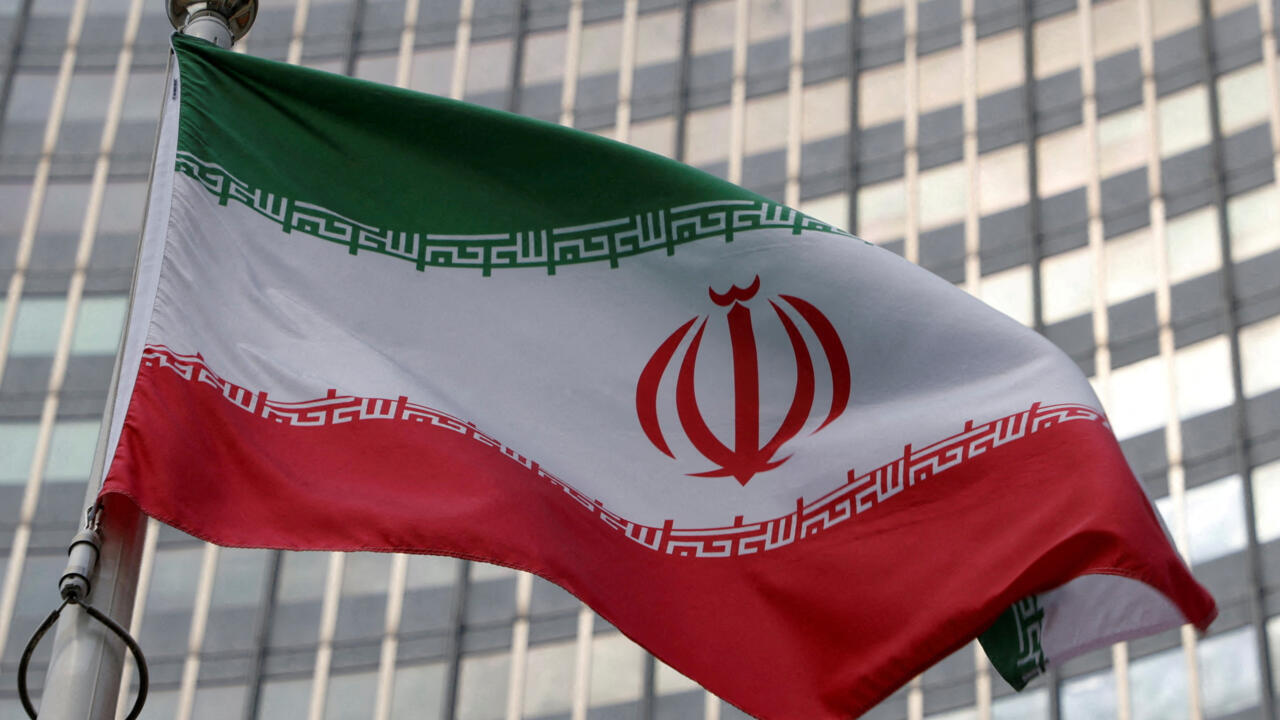
Shafaq News/The fourth round of indirect nuclear negotiations between Iran and the UnitedStates—originally scheduled for May 3 in Rome—has been rescheduled for Sunday,May 11, 2025, in Muscat, Oman.
While Omaniofficials cited “logistical reasons” for the change, Iranian sources describedit as symptomatic of deeper strains, pointing to “conflicting positions” andWashington’s alleged attempts to revise parts of the agreed framework.
FromBackchannel To Bargaining Table
BetweenFebruary and April, three rounds of talks were held in Oman and Italy, movingfrom preliminary exchanges to more substantive discussions focused onnuclear-related issues. “The first round was just breaking the ice,” explaineda European diplomat involved in the negotiations. “By the third, we began tosee the outlines of a potential deal—provided both sides have the necessarypolitical flexibility.”
Iraniannegotiators described the progress as “cautious,” noting steps forward onverification mechanisms and the sequencing of sanctions relief. However, coredisputes remain, particularly concerning Iran’s missile program and its broaderregional posture.
Tehran hasrepeatedly maintained that such issues fall outside the scope of the currentnegotiations. “No sovereign nation negotiates its deterrence capabilities underduress,” stated Reza Talebnia, spokesperson for Iran’s Defense Ministry.
Reflectingon the third round, Foreign Minister Abbas Araghchi described the atmosphere as“more serious,” with the talks shifting toward technical discussions. “We arenow transitioning from general topics to specialized issues,” he noted.Araghchi also confirmed that written proposals, inquiries, and responses hadbeen exchanged multiple times, facilitated by Omani mediators.
Despitesigns of momentum, the imposition of fresh US sanctions targeting Iran’senergy, shipping, and financial sectors has raised concerns in Tehran. DeputyForeign Minister Ali Bagheri Kani cautioned that “unilateral sanctions in themiddle of negotiations undermine trust and poison the atmosphere.”
Iranianofficials continue to demand the full removal of sanctions imposed after 2021,along with formal recognition of Iran’s right to pursue peaceful nucleardevelopment.
PotentialSpoilers: What Could Derail The 4th Round?
IntensifyingRegional Conflicts
Efforts torevive diplomatic relations are increasingly overshadowed by deepening regionalinstability, following a sharp escalation between Israel and Yemen’s Houthimovement.
Tensionsintensified after a Badr-1P missile launched by the Houthis exploded near BenGurion Airport. The missile, equipped with a sophisticated guidance system,bypassed Israel’s Iron Dome and US Patriot defense systems stationed in theNegev. This marked the first time a Houthi projectile reached Israeli airspacesince the start of the Gaza conflict in October 2023.
Over thepast six months, the Houthis have claimed responsibility for over 70 missileand drone operations targeting Israel and maritime traffic in the Red Sea. Theattacks have disrupted global shipping routes and driven a steep rise inmaritime insurance costs, with Lloyd’s of London reporting a 450% surge in RedSea risk premiums.
On the otherhand, Israeli forces launched a series of airstrikes on Yemen. Six strikes hitport infrastructure and logistics facilities in Hodeidah, while additionalstrikes targeted areas around the capital, Sanaa.
The YemeniMinistry of Health reported that the strikes killed 19 civilians, includingthree port workers, and caused severe damage to several buildings used by theWorld Food Programme for humanitarian deliveries.
Israeliofficials described the air campaign as “pre-emptive.” National SecurityAdviser Tzachi Hanegbi characterized the strikes as “very powerful” and warnedthat further action would follow if threats from Yemen continued.
However, theHouthis pledged to escalate in response, threatening to impose a “total airembargo” on Israel while vowing continued attacks in retaliation for the war inGaza.
Although aUS-Houthi agreement brokered by Oman was reached to avoid targeting eachother—including US naval vessels in the Red Sea and Bab al-Mandab Strait—theHouthis stated they would continue direct attacks on Israel. Tehran welcomedthe deal and praised the Yemeni people's “legendary resistance,” furtherentrenching its alignment with the group and complicating US engagement.
Amid thegrowing tensions, former head of Iran's National Security and Foreign PolicyCommittee, Heshmatollah Falahatpisheh, suggested that the US de-escalation inYemen reflects concerns over a broader conflict triggered by Israeli PrimeMinister Benjamin Netanyahu.
In a statementto Shafaq News, Falahatpisheh confirmed that this shift in US policy couldhowever, increase the likelihood of a nuclear agreement between Tehran andWashington.
A Shadow WarInside Iran
Iran hasalso been struck by a series of suspicious incidents, raising concerns about acovert sabotage campaign targeting the country's infrastructure.
Thedeadliest of these events occurred on April 28, when a massive explosion rockedthe Shahid Rajaee Port in Bandar Abbas, Iran’s largest commercial port. Theblast killed at least 62 workers and left more than 1000 injured.
In the wakeof the explosion, Iranian officials quickly pointed to Israel, accusing thecountry of orchestrating “foreign-engineered attacks,” though they did notidentify specific parties. Israel, adhering to its long-standing policy ofambiguity, neither confirmed nor denied involvement. Tensions, however, quicklyescalated.
“The Zionistregime is playing with fire,” warned Brigadier General Abolfazl Shekarchi,senior spokesperson for Iran’s armed forces. “This port was a key artery forour economy,” he added,
Thisdevastating incident was followed by a series of other unexplained eventsacross Iran. A fire engulfed the Pars Motorbike Industrial Complex in Mashhad,destroying more than 4,000 square meters of production and storage space. Localemergency officials noted the presence of chemical accelerants—materials nottypically found at the facility, raising suspicions of foul play.
A day later,a fire broke out at a cardboard recycling plant in Nazarabad, west of Karaj.Initially attributed to an electrical fault, the blaze is now under formalinvestigation, with authorities considering the possibility of sabotage.
These recentincidents fit into a troubling pattern that began in 2020, when a bomb,smuggled into Iran’s Natanz uranium enrichment facility disguised asconstruction material, caused severe damage.
The extentof the damage is becoming more apparent. In 2022, Iran recorded over 230industrial fires and explosions, according to a report from the IranianParliament’s Research Center. While many of these incidents were attributed topoor safety standards, an increasing number have been labeled as “toocoincidental” by analysts and former intelligence officers.
“It’s clearwe’re witnessing a coordinated pressure campaign,” remarked the Iranian analystAriane Tabatabai in a post on X. “The goal isn’t just disruption, it’s to senda message to Tehran that it cannot negotiate from a position of impunity.”
Persian Gulfvs. Arabian Gulf
Negotiationscould suffer yet another blow amid reports that President Donald Trump isweighing a controversial shift in terminology from “Persian Gulf” to “ArabianGulf” in official US communications.
According totwo senior American officials cited by the Associated Press, the White House isconsidering formalizing the term “Arabian Gulf” in upcoming statements duringTrump’s scheduled visit to Saudi Arabia.
The change,still under review, would align the United States with language long promotedby Gulf Cooperation Council (GCC) states such as Saudi Arabia and the UnitedArab Emirates. If adopted, it would mark the first time an Americanadministration officially endorses this alternative label.
Theimplications extend far beyond semantics. The name “Persian Gulf” remains theinternationally recognized designation, enshrined in United Nationsdocumentation, including UNGEGN Resolution 23 (2006), which upholds “PersianGulf” as the sole official term.
Iran movedquickly to challenge the reported shift. Foreign Minister Abbas Araghchiresponded by posting historical evidence on his official X account, including a1945 US Navy map and a 1953 CIA document, both using the term “Persian Gulf.”His caption read, “You cannot erase history with a Sharpie.”
Publicreaction inside Iran was swift and widespread. The hashtag #????_???? (Persian Gulf) surged across Persian-language social mediaplatforms, garnering over 11 million mentions in under 48 hours.
Streetprotests erupted outside the Swiss Embassy in Tehran, which has represented USinterests in Iran since 1979, where demonstrators carried placards declaring,“It’s Persian, Always Has Been.”
Reza Nasri,an international law expert based in France, described the controversy asdeeply rooted in historical and national identity. “This goes far beyondlanguage preferences. For Iranians, the name reflects centuries of cultural andterritorial continuity. Challenging it is seen as an affront to sovereignty andheritage. Even reformists and conservatives, who rarely find common ground,stand united on this.”
What If Diplomacy Fails?
Just aheadof the fourth round of diplomatic talks, US President Donald Trump reignitedtensions with Tehran during a televised statement, declaring he would“definitely” consider military strikes on Iran’s nuclear facilities ifnegotiations collapse. The remarks have sharpened divisions among policyexperts, renewing concerns about the potential for conflict in the Middle East.
In anexclusive interview with Shafaq News, Ivan Sascha Sheehan, Associate Dean ofthe College of Public Affairs at the University of Baltimore, characterizedTrump’s stance as “highly unpredictable,” while underscoring the seriousnessbehind the threat. “The president has declared that he would use decisivemilitary force against the Islamic Republic, and I take him at his word.”
Sheehanprojected that any future strike would depend heavily on airpower rather thanthe deployment of ground troops. He also pointed to the likelihood of parallelefforts involving ‘’Iran’s pro-democracy opposition’’ and covert operationswithin the country. “Iran has long feared internal dissent will metastasize tobring about regime change from within,” he explained, hinting that preparationsfor such a scenario could already be advancing, potentially timed for thesummer.
Others takea more skeptical view. Samir al-Taqi of the Middle East Center in Washingtondismissed the prospect of a military strike as both unlikely and potentiallycounterproductive. “What comes after? A strike won’t dismantle the program, itcould legitimize it.”
Heemphasized that Iran’s scientific base has become robust enough to render thenuclear program virtually irreversible, cautioning that any military escalationcould speed up, rather than slow down, Iran’s nuclear progress.“Trump’s remarks are media posturing, not a serious strategic roadmap,” henoted in his comments to Shafaq News.
Bringing abroader regional lens to the issue, former Northwestern University professorMohieddin Qassar told Shafaq News that neither the United States nor Israelappears ready to initiate or sustain a prolonged military campaign. “I don’tbelieve the Trump administration is in a position to open a new front in theMiddle East, even a limited one.”
Whileacknowledging Israel’s capability to conduct precision airstrikes, Qassarpointed out that any such mission would still require coordination withWashington for intelligence gathering and logistical support. “And once thebombing ends, who controls the fallout?”
As thefourth round of indirect nuclear negotiations approaches, the path to progressis littered with landmines, both literal and figurative. From regional militaryflare-ups to covert sabotage and symbolic affronts, the climate surrounding theMuscat talks has grown increasingly volatile.
While bothTehran and Washington insist that diplomacy remains the preferred path, theaccumulation of stressors may outweigh technical compromises made at the table.If the Oman round is to yield a breakthrough, it will require not onlynegotiation but restraint, clarity of purpose, and a willingness to disentanglediplomacy from domestic and geopolitical theater. Otherwise, Muscat may beremembered not for progress, but for missed opportunity.